
Pests
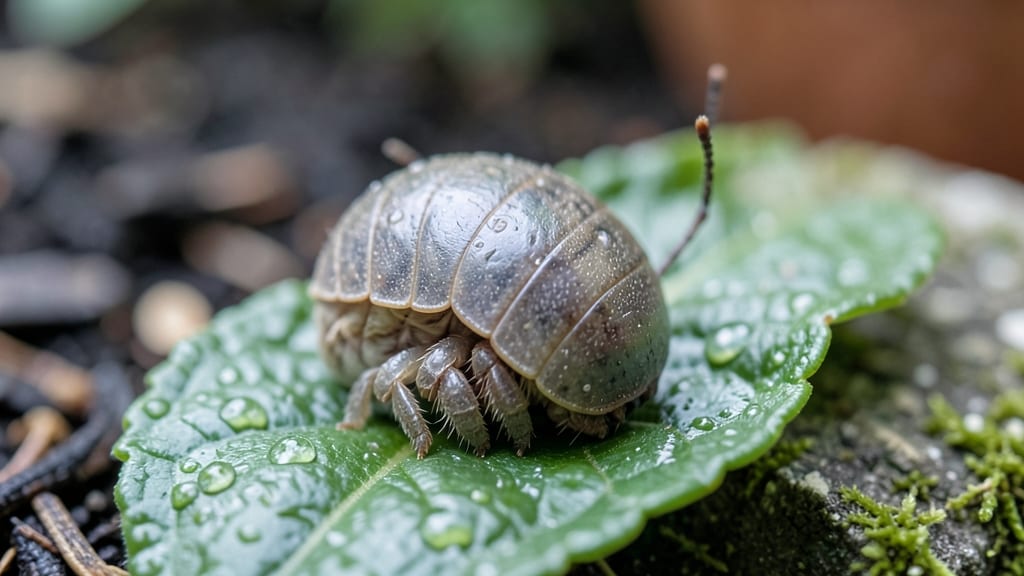
How to get rid of pill bugs in your garden naturally—those sneaky invaders hiding under mulch and logs. 🌱 I’ve battled them for years—until I discovered this boiling water barrier that smothers their nests fast, without chemicals. It’s brutal for them but completely safe for your plants and beneficial insects. The secret lies in their nesting habits: they burrow into damp, decaying organic matter. A 5-gallon bucket of boiling water poured along their favorite hiding spots (mulch edges, under boards) kills adults and larvae on contact. Repeat weekly until they vanish—usually within 2-3 treatments. You’ll notice fewer pill bugs within days, and your plants will thank you with healthier roots. The best part? No toxic residue, no harm to earthworms or ladybugs, just a clean sweep of these armored pests. Prevention is simple: reduce mulch depth, improve drainage, and keep garden beds tidy. Here’s how to make it stick long-term!
Root Causes Of Pill Bugs
Pill bugs—those tiny, armor-like critters scurrying under rocks and mulch—aren’t just a nuisance; they’re drawn to your garden for specific reasons. Understanding why they show up in the first place is the first step to keeping them out for good.
Let’s break down the science behind their behavior and what’s really inviting them to your yard.
Pill bugs, also known as armadillidians, thrive in damp, humid environments.
Their exoskeletons are highly sensitive to dehydration, so they seek out: - Shady, damp soil – They love areas with poor drainage, like low-lying spots or soil packed with organic matter (think compost piles or leaf litter). - Mulch and decaying plant matter – Thick layers of mulch, rotting wood, or fallen leaves create microclimates with high humidity—ideal for them. - Overwatered gardens – If your soil stays soggy for days, you’re basically rolling out the welcome mat.
Why it matters: Pill bugs don’t burrow deep; they stay near the surface where moisture lingers. If your garden feels like a swamp, they’ll stick around.
Pill bugs are detritivores, meaning they feast on decaying plant material. If your garden is a smorgasbord, they’ll overstay their welcome.
Common attractants include: - Leaf litter and fallen fruit – A natural snack for them, especially in autumn. - Overgrown grass clippings – Left piles of grass create a protein-rich feast. - Compost piles – While compost is great for soil, it’s also a pill bug hotel if it’s not managed properly.
Pro Tip: 💡 If you’re using compost, turn it frequently to reduce moisture and discourage pill bugs from moving in.
Pill bugs don’t just wander randomly—they actively seek shelter in:
- Under rocks, boards, or debris – They roll into a ball to protect themselves, so dark, hidden spots are prime real estate.
- Cracks in walkways or foundations – If your garden borders a patio or driveway, gaps provide easy access.
- Potted plants and garden beds – The soil in containers stays moist longer, making them a magnet.
Key Insight: They’re not digging tunnels like ants; they’re surface dwellers looking for quick cover.
Pill bugs are more active during:
- Rainy seasons – High humidity triggers their movement, leading to sudden surges in your garden.
- Mild winters – If temps stay above freezing, they remain active year-round.
- After heavy watering – Even a single overwatering session can signal a pill bug party.
Actionable Tip: ⏰ Monitor their activity after rain or irrigation—this is when they’re most visible (and vulnerable).
Sometimes, pill bugs hitch a ride with other garden pests:
- Slugs and snails – They share the same damp, dark habitats.
- Earthworms – Their tunnels create air pockets that pill bugs avoid, but they still follow the moisture.
- Fungal growth – Pill bugs help decompose fungi, so overwatered areas with mold become hotspots.
What This Means: If you’re battling slugs or fungal issues, pill bugs may follow as secondary invaders.
Even "natural" garden practices can attract pill bugs:
- Overuse of wood chips – While great for mulch, they break down slowly, keeping soil damp.
- Lack of aeration – Compacted soil traps moisture, creating a pill bug paradise.
- Ignoring fallen branches – Dead wood retains moisture and provides shelter.
Fix It: 🌡️ Rake up debris regularly and consider gravel or straw mulch (which drains faster) instead of thick wood chips.
Natural Ways to Outsmart Pill Bugs
Now that you know why pill bugs are invading your garden, it’s time to take action! These helpful but pesky critters thrive in moist, shaded areas, but with the right strategies, you can reclaim your garden without harsh chemicals.
Below are targeted solutions based on the most common causes—plus prevention tips to keep them away for good.
Pill bugs love damp, dark environments, so reduce their favorite hiding spots with these simple tweaks:
- 🔥 Improve Drainage
- Rake away thick mulch or organic debris near foundations, sheds, or garden beds.
- Replace soggy mulch with coarse wood chips or gravel, which allows airflow while still suppressing weeds.
- Pro tip: 💡 If your garden has poor drainage, consider raising beds or adding a layer of perlite to soil.
- ☀️ Increase Sunlight Exposure
- Trim overgrown plants or shrubs to let sunlight reach the soil.
- Plant sun-loving ground covers (like clover or creeping thyme) to dry out moist areas naturally.
- Warning: ⚠️ Avoid over-trimming—leave some shade for heat-sensitive plants!
- 🚿 Redirect Water Sources
- Fix leaky hoses or irrigation systems that create puddles.
- Water early in the day so soil has time to dry before nightfall (pill bugs are nocturnal).
If pill bugs are already causing trouble, smother or deter them with these non-toxic methods:
- 🔪 Boiling Water Barrier (Best for Nests)
- Pour boiling water directly onto active pill bug clusters (especially under rocks, logs, or dense mulch).
- How to: 👨🍳 Fill a kettle or pot, wait until water is rolling boil, then slowly pour in a 1-inch-wide band around problem areas.
- Why it works: 🌡️ The heat instantly kills eggs and adults—no chemicals needed!
- 🥘 Diatomaceous Earth (DE) – The Silent Killer
- Sprinkle food-grade DE lightly around garden edges, under pots, and along walkways.
- How much? A thin layer (about 1 tbsp per sq ft) is enough—reapply after rain.
- Caution: ⚠️ Avoid inhaling DE (wear a mask) and keep it away from pets/kids.
- 🍋 Citrus & Spicy Sprays (Natural Deterrent)
- Mix peelings from 2 lemons + 1 tsp cayenne pepper + 1 gallon water, strain, and spray on affected areas.
- Reapply every 3–4 days or after rain.
- Bonus: 🌿 Pill bugs hate citrus and capsaicin—this keeps them away without harming plants.
Stop pill bugs before they become a problem with these low-maintenance habits:
| Prevention Tip | How to Do It | Why It Works |
|---|---|---|
| 🪴 Use Gravel or Crushed Shells | Replace organic mulch with sharp-edged materials (like crushed eggshells or gravel) in high-risk zones. | Pill bugs avoid rough textures that damage their soft bodies. |
| 🌿 Plant Pill Bug Haters | Add lavender, rosemary, mint, or wormwood near garden beds. | Strong scents repel pill bugs naturally. |
| 🐛 Encourage Predators | Attract birds, frogs, and ground beetles with a diverse garden ecosystem. | These creatures eat pill bugs—no intervention needed! |
| ⏰ Regular Garden Tidy-Up | Remove rotting logs, thick leaf litter, and cardboard every 2–3 weeks. | Pill bugs breed in decaying matter—deny them a home! |
- 🔄 Rotate Methods: If one repellent stops working, switch to another (e.g., after DE, try citrus spray).
- 🌙 Nighttime Patrol: Shine a flashlight at dusk—pill bugs hide in cracks; pick them up and relocate them far from your garden.
- 🚫 Avoid Overwatering: Even "drought-tolerant" plants can create micro-climates that attract pill bugs—water deeply but less frequently.
By combining environmental fixes with targeted repellents, you’ll outsmart pill bugs without chemicals. Start with drainage and sunlight, then reinforce with DIY barriers—your garden will thank you! 🌿💚
Frequently asked questions
Are pill bugs actually harmful to my garden?
Pill bugs (rolly-pollies) aren't harmful to plants, but they can become a nuisance by breaking down mulch and organic matter too quickly. Their presence often signals excess moisture in your garden, which can harm plant roots. They also compete with beneficial insects like earthworms for resources.
How often should I apply boiling water treatment?
Apply boiling water treatment once a week for 2-3 weeks to eliminate active pill bug populations. Focus on their favorite hiding spots like mulch edges and under boards. After that, monthly applications during rainy seasons should keep them under control. Always use caution with hot water near plants.
Will diatomaceous earth harm my plants or beneficial insects?
Food-grade diatomaceous earth (DE) is safe for plants when used correctly, but it can harm beneficial insects like bees and ladybugs if overapplied. Apply it lightly (1 tbsp per sq ft) and avoid spraying directly on flowers. The key is to target only the soil surface where pill bugs travel, not entire plant surfaces.
What's the best time of day to check for pill bugs?
The best time to spot and treat pill bugs is early evening or night when they're most active. Use a flashlight to inspect garden beds, mulch areas, and under rocks. They'll be most visible when the ground is damp from evening dew or irrigation.
Can I use coffee grounds to repel pill bugs?
Yes! Coffee grounds create an effective natural barrier against pill bugs. Sprinkle used grounds around garden edges and plant bases—the strong smell repels them. Plus, the grounds will decompose and add nutrients to your soil. Just keep them away from acid-sensitive plants like azaleas.