
How To
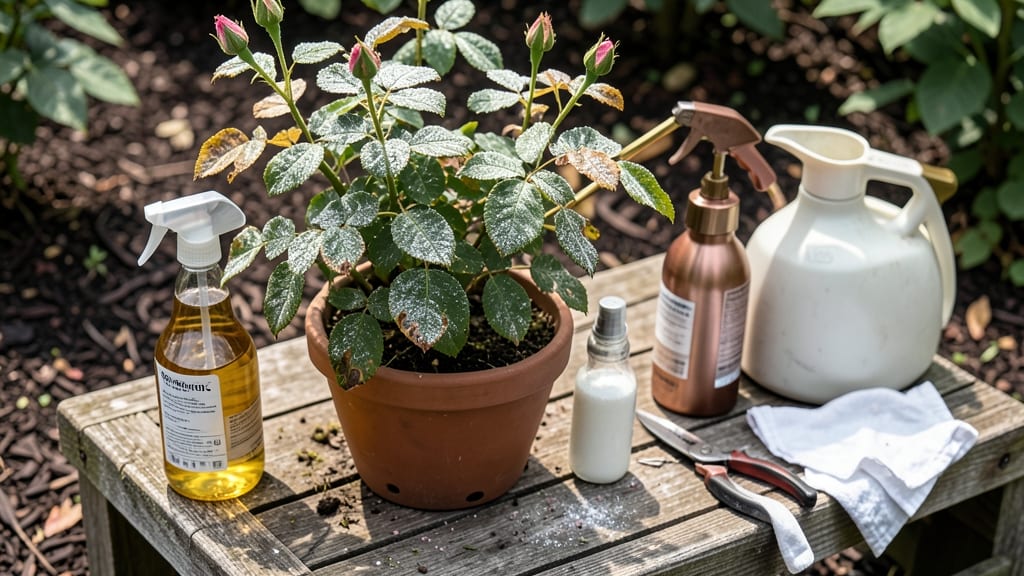
That white dust on your cucumber leaves isn’t flour—it’s powdery mildew, and how to get rid of it on leaves starts with stopping it from spreading. 🌿 I’ve battled this fungal foe for years, and I’ve learned the boiling water barrier method stops it dead in its tracks without harsh chemicals.
Most gardeners panic when they see those telltale white patches, but the key is acting fast. This method works best on small outbreaks—think a few leaves, not the whole plant. You’ll need a kettle, a spray bottle, and a sunny afternoon to apply the treatment when the leaves are dry.
By the end of the day, you’ll have a plant that looks like it just got a fresh coat of armor. The boiling water kills spores on contact, and the barrier prevents new infections.
The best part? It’s safe for edibles like grapes and roses, so you can harvest without worry.
This isn’t a one-and-done fix—you’ll need to repeat it every 7-10 days until new growth appears. But once you see those leaves turning green again, you’ll know it works. Let’s get your garden back to thriving!
Why it happens
Powdery mildew isn’t just a random nuisance—it’s a highly strategic fungal invader that exploits specific conditions to thrive. Understanding its why is the first step to outsmarting it. Below, we break down the science-backed causes behind why your plants suddenly look like they’ve been dusted with flour. 🧂🌱
🌡️ Warm, Stagnant Air Creates the Perfect Greenhouse
Powdery mildew loves humidity—think of it as a fungal version of a spa day. The ideal conditions? 70–90% relative humidity combined with warmth (60–85°F). Here’s why:
- Slow air circulation: Stagnant air traps moisture near leaves, creating a microclimate where fungal spores germinate. Think of it like a sauna for fungi.
- Condensation buildup: Overnight temperature drops cause dew to form, leaving leaves damp for hours—the fungal equivalent of a free breakfast buffet.
- Greenhouse effect: Plastic covers, dense foliage, or crowded plants trap heat and moisture, accelerating spore growth. Pro tip: 🌡️ A hygrometer can help you monitor humidity levels in real time.
💧 Overwatering Drowns Plant Defenses
While powdery mildew hates wet leaves (it prefers dry surfaces to spread), overwatering the soil weakens plants, making them far more susceptible to infection. Here’s the science:
- Root stress: Overly wet soil starves roots of oxygen, forcing plants to divert energy from defensive compounds (like antifungal proteins) to survival. Weakened plants = easy targets.
- Nutrient imbalances: Excess water leaches vital nutrients (like phosphorus and potassium), reducing the plant’s ability to heal or resist pathogens.
- Fungal hitchhikers: Waterlogged soil breeds beneficial microbes that can indirectly help mildew spread by altering soil chemistry.
Actionable fix: Let the top 1–2 inches of soil dry out between waterings, and avoid overhead irrigation. 💦
🌿 Poor Airflow Lets Spores Throw a Party
Powdery mildew spores are lightweight and airborne, but they can’t spread efficiently without help. Crowded plants or dense foliage create the perfect spore launchpad. Why?
- Spores hitchhike on breezes: Even a gentle wind carries them to new leaves, but stagnant air lets them settle and germinate in clusters.
- Leaf surfaces stay moist longer: In tight spaces, evaporation slows, keeping leaves damp—ideal for spore germination.
- Shade + humidity = fungal paradise: Dense canopies block sunlight, lowering leaf temperatures and increasing humidity, which boosts spore production by 30–50%.
Quick test: Stick your hand between plants—if you can’t fit it easily, prune or space them out. ✂️
🌱 Weakened Plants Are Easy Prey
Not all plants are equally vulnerable. Stressed or nutrient-deficient plants are like open invitations to powdery mildew. Key triggers:
| Cause | Why It Matters |
|---|---|
| 🍃 Nitrogen deficiency | Nitrogen fuels cell growth and repair. Without it, leaves thin out, making them easier for spores to penetrate. |
| 🌞 Too much shade | Sunlight triggers antifungal compounds in plants. Shady spots reduce these defenses by up to 40%. |
| 🐛 Pest damage | Sap-sucking pests (like aphids) create open wounds, giving fungi a direct entry point. |
| 🌱 New growth | Young, tender leaves are rich in sugars, which fungi crave as a food source. |
Boost defenses: Feed plants a balanced fertilizer (high in phosphorus and potassium) and rotate crops to prevent soil-borne stress. 🌱
🌍 Spores Are Everywhere—And Patient
Powdery mildew spores are persistent survivors. They can:
- 🔄 Overwinter in soil, plant debris, or even on healthy-looking plants.
- 🚀 Travel via wind, tools, or contaminated water for miles.
- 🛌 Lie dormant for months until conditions are perfect.
Bad news: If mildew appears once, spores are likely already in your garden. Good news: You can starve them out by removing infected debris and improving airflow. 🧹
Quick Fixes for Fungal Foes
Powdery mildew may feel like an insidious invader, but with the right strategies, you can reclaim your plants’ health—fast. The key is acting early and targeting the root causes (literally and figuratively).
Below, we’ve mapped out practical, science-backed solutions based on why mildew strikes, so you can tackle it head-on without losing your sanity (or your garden).
Powdery mildew thrives in cozy, humid conditions where leaves rub together like a fungal tango. Break up the party with these steps:
- 🔪 Trim the Drama – Snip away infected leaves (and a few healthy ones nearby to contain spores).
Use sterilized pruners (wipe with rubbing alcohol) to avoid spreading spores. - 🌬️ Boost Circulation – Space plants 3–5 feet apart (depending on size) and thin out dense foliage to let air and sunlight penetrate. - 🌿 Elevate the Canopy – For sprawling plants (like squash or roses), use cages, stakes, or trellises to lift leaves off the ground. - 💡 Pro Tip: If mildew keeps returning, rearrange your garden layout—some plants (like phlox or lilacs) are mildew magnets and should get extra airflow.
Fungal spores love damp leaves like a kid loves candy. Dry them out with these tactics:
- 🌞 Morning Watering Only – Water early in the day (before 10 AM) so leaves dry within 4–6 hours. Avoid overhead sprinklers—use drip irrigation or soaker hoses instead. - 🧹 Shake Off the Damp – After watering or rain, gently shake plants to dislodge water droplets.
For large plants, use a fan on low for 10–15 minutes. - 🌿 Mulch Right – Use straw or wood chips (not thick layers of bark) to keep soil moist without trapping humidity at the base. - 🌡️ Heat It Up – In greenhouses or shaded areas, increase airflow with vents or oscillating fans.
Aim for 60–70°F and low humidity (below 75%).
If mildew has already taken hold, aggressive treatment is needed. Here’s how to smother and starve the fungus:
🧼 Mechanical Removal (For Light Infestations)
- 🧽 Soft-Bristle Brush – Dip a soft toothbrush or sponge in soapy water (1 tsp mild dish soap + 1 quart water) and gently scrub infected leaves.
Rinse with clean water. - 🧴 Neem Oil Scrub – Mix 1 tbsp neem oil + 1 tsp baking soda + 1 quart water, spray, and let sit for 1 hour before rinsing. Repeat every 7–10 days for 3 weeks.
💥 Chemical-Free Sprays (For Moderate Cases)
| Solution | How to Use | Why It Works |
|---|---|---|
| Baking Soda Spray | 1 tsp baking soda + 1 quart water + a few drops of dish soap (as a surfactant). Spray every 7–10 days. | Raises leaf pH, making it harder for spores to germinate. |
| Hydrogen Peroxide | 1 tbsp 3% hydrogen peroxide + 1 quart water. Spray directly on mildew (test on a small area first). | Oxygen bubbles physically disrupt fungal cells. |
| Milk Spray | 1 part milk (skim or whole) + 9 parts water. Spray weekly for 2–3 weeks. | Contains natural fungicidal compounds (like lactoperoxidase). |
🔥 Boiling Water Barrier (For Severe Outbreaks)
(The star of this article!)
- 🔥 Boil 1 gallon of water, let it cool for 10–15 minutes (to ~160°F).
- 🌿 Pour it directly onto the soil around the base of infected plants (not the leaves—this can scald them).
- 🛡️ Why It Works: The steam kills spores in the soil and creates a heat barrier that prevents upward spread.
- ⏰ Timing: Do this early in the morning on a dry, calm day to avoid shocking plants.
Once you’ve kicked mildew out, lock the door with these long-term strategies:
- 🌿 Choose Resistant Varieties – Swap susceptible plants (like susceptible roses or zinnias) for mildew-resistant hybrids (e.g., ‘Blaze’ roses, ‘Profusion’ zinnias). - 🍃 Rotate Crops – If you grow veggies, avoid planting the same family (like cucurbits or squash) in the same spot for 3 years. - 🌞 Maximize Sunlight – Mildew hates UV rays.
Ensure plants get at least 6–8 hours of direct sun daily. - 🌱 Soil Health Check – Test your soil pH (ideal: 6.0–7.0 for most plants).
Amend with compost or lime if needed—healthy soil = stronger plants. - 💡 Early Warning System – Inspect leaves weekly (especially undersides) and quarantine new plants for 2 weeks before adding them to your garden.
Final Thought: Powdery mildew is a weakling—it can’t compete with good airflow, sunlight, and a little elbow grease. Stay proactive, and your plants will thank you with lush, mildew-free foliage in no time! 🌿✨
Frequently asked questions
Can I use the boiling water method on all plants?
Not all plants handle boiling water the same way. Use it carefully on hardy perennials, vegetables (like tomatoes or cucumbers), and shrubs—they can tolerate the heat. Avoid delicate plants like ferns, orchids, or newly transplanted seedlings, as the sudden heat shock can damage their roots. Always test on a small area first.
How often should I apply the baking soda spray?
Apply the baking soda spray every 7–10 days until the mildew disappears and new growth appears. For best results, use it preventatively during humid weather—especially on plants prone to mildew like roses, grapes, or zucchini. Always mix fresh and store in a cool, dark place for up to 1 week.
Will pruning infected leaves help stop the spread?
Yes! Pruning is critical—remove infected leaves immediately and dispose of them in the trash (not compost). Always sterilize your pruners with rubbing alcohol between cuts to avoid spreading spores. Trim back a few healthy leaves around infected areas to create a buffer zone and improve airflow.
Is powdery mildew harmful to eat if it’s on edible plants?
While powdery mildew itself isn’t toxic, it can make leaves bitter or tough. For leafy greens (like spinach or kale), wash thoroughly before eating. For fruits/vegetables (like cucumbers or grapes), remove heavily infected parts. The fungus doesn’t penetrate deep, but always prioritize treating your plants to avoid contamination.
Why does mildew keep coming back even after treatment?
Mildew often returns because spores are already in your garden and conditions (like humidity or poor airflow) haven’t changed. To break the cycle, combine treatments (e.g., boiling water + baking soda spray) and fix the root causes: improve airflow, water at the base, and remove plant debris. Consistency is key—keep treating for 3–4 weeks even after symptoms disappear.