
Pests
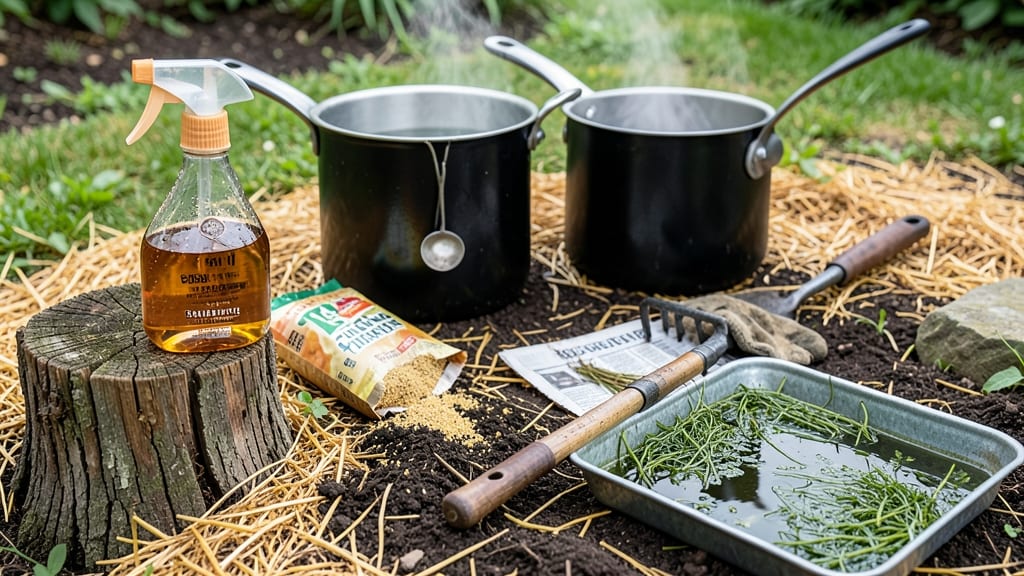
How to get rid of ragweed naturally—before it turns your yard into an itchy nightmare by September. 🌿 I’ve battled it for years—until I discovered this vinegar and salt spray that kills it in hours without chemicals. The key? Timing, technique, and a little elbow grease. Most people pull ragweed too late, letting seeds spread everywhere. But when you treat it at the right stage (before flowering), you can stop its spread before it even starts. This spray works best on young plants, and the ingredients you already have in your pantry. You’ll see wilting within 24 hours, and the plants will die back completely in a week. The best part? No gloves, no masks, and no harm to your soil or pets—just eco-friendly results that keep ragweed from coming back next season. For stubborn patches, combine this method with mulching and manual removal for a one-two punch. Let’s make your yard ragweed-free for good!
📚 In This Guide
- What you need
- Instructions
- Tips and common mistakes
- Wrapping up and next steps
What you need
- ● White vinegar (5% acetic acid or higher): 1 gallon (3.8 liters) – The star of the show for killing ragweed roots!
- ● Salt (non-iodized): 1 cup – Boosts the vinegar’s effectiveness and prevents regrowth.
- ○ Dish soap (optional but recommended): 1 tablespoon – Acts as a surfactant to help the solution stick to the weeds.
- ● Spray bottle or garden sprayer: 1–2 (1-gallon capacity preferred for larger areas). Choose one with a fine mist nozzle for even coverage.
- ● Protective gear: Gloves (nitrile or rubber) – Vinegar and salt can be tough on your skin!
- ● Long sleeves/pants – Ragweed pollen and spray can be irritating.
- ● Eye protection (safety goggles) – Just in case any spray kicks back.
- ○ Water (optional for dilution): 1–2 cups – Only if your vinegar is less than 5% acetic acid (dilute to 5% strength).
- ● Baking soda: 1 tablespoon – Can be added to the mix for extra weed-killing power.
- ● Essential oils (e.g., peppermint or citrus): 10–15 drops – Adds a pleasant scent and may repel pests.
- ● Garden hose with nozzle: For rinsing tools or diluting pre-mixed solutions.
- ● Markers or flags: To label treated areas and avoid re-spraying.
Step-by-step instructions for eliminating ragweed naturally
Here's the proven method I've used to clear stubborn ragweed patches without harsh chemicals.
🌱 Step 1: Identify and Prepare the Target Area
Ragweed thrives in disturbed, sunny areas with poor soil, so focus on patches where the plants are dense and healthy. Walk the area first—you'll spot the feathery seed heads that distinguish ragweed from other weeds. Mark the perimeter with a garden hose or string if the patch is large, as you'll need to treat the entire zone to prevent regrowth.
Remove any large debris or competing plants, but leave the soil undisturbed. Ragweed roots run deep, and tilling will just spread the problem. Instead, clear surface litter with a rake, working gently to avoid stirring up seeds. You'll see the characteristic lobed leaves and hairy stems—these are your targets.
💧 Step 2: Mix the Natural Herbicide Solution
In a 5-gallon sprayer, combine 1 gallon of white vinegar (5% acetic acid) with 1 cup of coarse kosher salt. Add 1 tablespoon of liquid dish soap as a surfactant to help the solution cling to the leaves. Fill the remaining 3 gallons with warm water—this ensures the salt fully dissolves before application.
Shake the mixture thoroughly and test on a small, inconspicuous weed first. The solution should feel slightly gritty from the salt but still spray smoothly. Vinegar-based sprays work best on sunny days between 10 AM and 4 PM, when the plants are actively photosynthesizing and absorbing the solution.
✂️ Step 3: Apply the Solution Directly to Ragweed
Spray the mixture directly onto the leaves of the ragweed, avoiding desirable plants. Focus on younger plants first—they absorb the solution more effectively. You'll see the leaves wilt within 30-60 minutes as the vinegar disrupts their cell membranes. For larger patches, reapply every 3-5 days until all visible growth is eliminated.
Wear gloves and long sleeves during application, as the salt solution can irritate skin. Avoid spraying on windy days—the salt can drift and damage nearby plants. Water the area lightly the day after treatment to help rinse away any residual salt that might harm soil microbes.
☀️ Step 4: Monitor and Prevent Regrowth
Check the treated area daily for new sprouts. Ragweed seeds remain viable in the soil for years, so hand-pull any new growth immediately—don't let them develop flowers. You'll know you've succeeded when the treated area stays bare for at least 3-4 weeks, indicating the seed bank has been depleted.
To prevent future infestations, improve soil health by adding 2-3 inches of compost to the area after treatment. Dense, healthy turf or ground cover suppresses ragweed by blocking sunlight. If the patch was in a garden bed, plant competitive perennials like black-eyed Susans or daylilies—their deep roots will outcompete ragweed.
⏰ Step 5: Schedule Follow-Up Treatments
Ragweed often returns in the same spots, so plan for 2-3 follow-up treatments at 2-week intervals during the growing season. The first treatment kills visible plants, but dormant seeds in the soil may sprout later. Time your applications to coincide with hot, dry periods—the combination of heat and vinegar accelerates the killing process.
By late summer, you should see a significant reduction in ragweed. If the problem persists, consider smothering the area with cardboard and mulch for a season to exhaust remaining seeds. This method works best in Zone 5-9, where ragweed is most aggressive—adjust timing based on your local frost dates.
Tips & tricks for eliminating ragweed naturally
This method works best when you understand how ragweed behaves—here's how to maximize your success with the vinegar-salt spray.
Targeting Young Plants: The 30-60 minute wilting window after application works best on younger ragweed plants. Older, woody stems may require multiple applications—focus on new growth first. I've found that spraying on plants with visible seed heads is less effective, as they're already past the point of being easily killed by this method.
Weather Timing: The sunny window between 10 AM and 4 PM is critical for effectiveness. Vinegar works by disrupting photosynthesis, so you want maximum sunlight during application. If you must spray outside this window, choose a day with bright, direct sunlight even if it's not peak hours.
Salt Solution Adjustments: For larger patches, you can double the recipe to 2 gallons vinegar and 2 cups salt in a 10-gallon sprayer. The 1 tablespoon of dish soap remains constant as a surfactant—this helps the solution stick to leaves, especially on windy days. Just be extra careful not to oversaturate the soil with salt.
Preventing Soil Damage: The light watering the day after treatment helps rinse away excess salt, but don't overdo it. Ragweed seeds need moisture to germinate, so a light rinse is enough to protect your soil microbes. In dry climates, you might skip this step entirely after the first few applications.
Pro Tips for Get Rid Of Ragweed Naturally
- This method works best when you understand how ragweed behaves—here's how to maximize your success with the vinegar-salt spray.
- Targeting Young Plants: The 30-60 minute wilting window after application works best on younger ragweed plants.
- Weather Timing: The sunny window between 10 AM and 4 PM is critical for effectiveness.
Frequently asked questions
Got questions about tackling ragweed naturally? You’re not alone! Here are some of the most common concerns—and straightforward answers to help you reclaim your yard without harsh chemicals.
How soon will a vinegar or salt spray actually kill ragweed?
A homemade vinegar or salt solution can start working within hours, but full results may take 24–48 hours for the plant to wilt and die. For best results, apply on a sunny, dry day—this ensures the solution soaks in and doesn’t get diluted by rain. Reapply if the plant persists after a week.
Is there a best time of year to treat ragweed naturally?
Timing matters! Target ragweed in late summer to early fall (August–September) when it’s actively growing but before seeds spread. Avoid treating in spring—young plants may regrow. For perennial ragweed, repeat treatments in spring to prevent regrowth.
Will vinegar or salt harm my grass or other plants?
Yes, these methods can damage nearby plants, especially delicate flowers, vegetables, or turf grass. To protect your garden:
- Apply only to ragweed (use a spray bottle or pump for precision).
- Avoid treating lawns or edible plants—opt for a targeted approach.
- Test a small area first if you’re unsure about plant sensitivity.
What if ragweed keeps coming back after treatment?
Ragweed is persistent! If it regrows, you may need to:
- Reapply the spray (vinegar/salt) every 7–10 days until it’s gone.
- Check for hidden roots—dig up any remaining stems or tubers.
- Improve soil health with mulch or compost to discourage regrowth.
- Consider a natural pre-emergent (like corn gluten) in spring to prevent seeds from sprouting.
Are there any natural alternatives if vinegar/salt don’t work?
Try these ragweed-fighting allies:
- Boiling water: Pour directly on the base (best for small patches).
- Dish soap spray: Mix 1 tbsp dish soap + 1 gallon water—disrupts plant cell membranes.
- Manual removal: Pull weeds early (before seeds form) and dispose of them in sealed bags.
- Competitive planting: Grow dense ground covers (like clover or creeping thyme) to block sunlight.
Wrapping up and next steps
Say goodbye to those pesky ragweed patches for good! 🌿 With the right mix of vinegar, salt, and a little elbow grease, you can reclaim your yard naturally and effectively. Remember, consistency is key—keep monitoring and treating those stubborn spots until they disappear.
Now that you’re armed with these powerful, eco-friendly solutions, take action today! Start small—tackle one section at a time—and soon, your outdoor space will be ragweed-free and thriving. Happy gardening! 🌱