
Pests
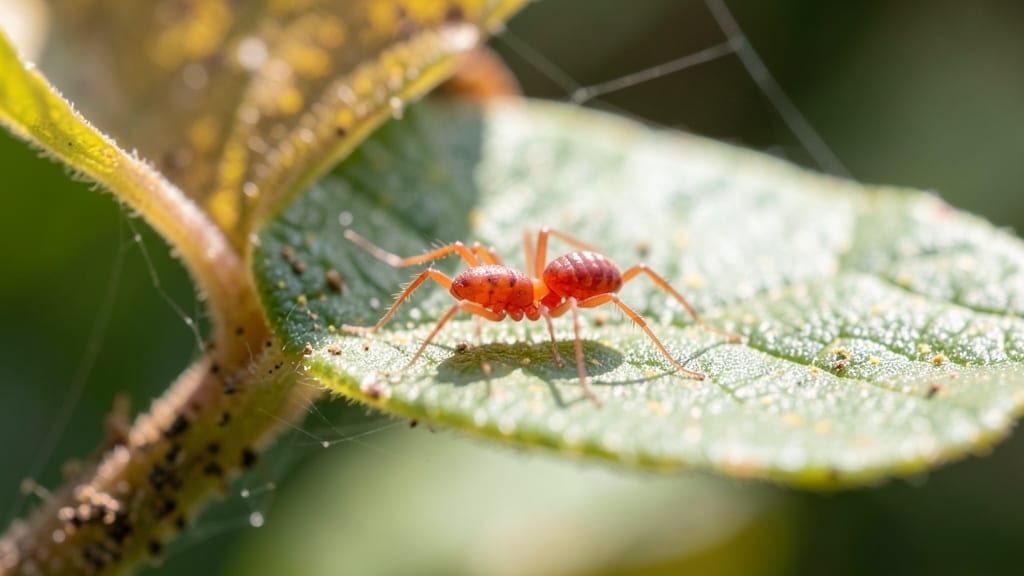
How to get rid of red spiders on your plants isn't just about aesthetics—it's about saving your greenery from these tiny, sap-sucking pests. ✨ I've battled these invaders with everything from store-bought sprays to homemade remedies, and boiling water turned out to be the most dramatic (and effective) solution. The key is acting fast—these mites multiply faster than you can say "aphid crisis." Start by confirming it's spider mites (not harmless spiders) by checking for fine webbing and speckled leaves. A blast of boiling water kills them instantly, but only works on small infestations before they spread to every plant. What you'll end up with is plants that look like they just got a spa treatment—no more stippled leaves, no more sticky residue. The secret is combining this shock treatment with regular checks to catch new outbreaks before they take hold. Works for houseplants, garden beds, and even patio containers. Here's how to do it without burning your plants (or yourself).
The Hidden Triggers Behind Red Spider Infestations
Red spiders—whether they’re the tiny but pesky red spider mites or the more intimidating red velvet mites—don’t just appear out of nowhere. These eight-legged intruders thrive because of specific conditions that turn your home or garden into their perfect buffet.
Understanding why they show up is the first step to kicking them out for good. Let’s break down the science behind their sudden invasions.
Red spider mites are heat-loving pests that flourish when temperatures soar and humidity plummets. Here’s why:
- Low Humidity Accelerates Their Growth: These mites thrive in environments with <50% humidity. When air is dry—common in summer, air-conditioned rooms, or heated indoor spaces—their eggs hatch faster, and their populations explode. Pro tip: A hygrometer (humidity meter) can help you monitor levels; aim for 40-60% humidity to deter them.
- Hot Climates Speed Up Reproduction: Red spider mites reproduce every 3-7 days in ideal conditions (75–90°F). If your home stays consistently warm—especially near windows, attics, or electronics—they’ll treat it like a tropical resort.
- Plants Become Desperate Snacks: When houseplants are underwatered, their leaves become crispy and weak, making them an easy meal. Mites pierce cells to suck out sap, turning leaves yellow or white with webbing.
Healthy plants repel pests. But when your green friends are stressed or neglected, they send out distress signals that attract mites like a dinner bell. Here’s the breakdown:
- Poor Airflow = Mite Hideouts: Crowded plants (like tightly packed succulents or ferns) trap moisture and debris, creating microclimates that mites adore. Fix it: Space plants with 2-3 inches of airflow between leaves.
- Fertilizer Burn Weakens Defenses: Over-fertilizing (especially with nitrogen-heavy mixes) stresses plants, making them less resistant to pests. Mites detect this weakness and move in.
- New Plants Can Be Contaminated: Mites often hitchhike on newly purchased or outdoor plants. Quarantine new greenery for 2 weeks before introducing them to your collection.
Red velvet mites (the larger, harmless but creepy cousins) love dark, undisturbed corners where they can hide and hunt. Unlike their plant-dwelling relatives, these guys prefer:
- Basements and Storage Areas: Cool, dark spaces with organic debris (like cardboard, fabric, or old books) are their buffet. They feed on other insects (like silverfish or booklice) but will bite if provoked.
- Behind Furniture and Appliances: Dust bunnies and pet hair create perfect hiding spots. Regular vacuuming disrupts their habitat.
- Outdoor Woodpiles or Mulch: If you’ve got a wooden deck, shed, or garden mulch, these mites may nest there before wandering indoors.
Red spiders rarely arrive alone. They often tag along with other household pests that create the perfect conditions for their spread:
- Ants and Silverfish: These pests damage plants and leave behind waste, which attracts mites. A silverfish infestation in your bathroom? Mites may follow.
- Fungus Gnats: These tiny flies lay eggs in moist soil, and their larvae weaken plant roots—making them vulnerable to mite attacks.
- Scale Insects: These sap-sucking bugs excrete honeydew, which attracts mites and mold. A double whammy for your plants!
💡 Pro Tip: If you’re battling multiple pests, treat the root cause first (e.g., fix moisture issues for gnats) before targeting mites.
Now that you know why these red invaders crash your party, the next step is how to evict them. Stay tuned for our boiling water blast method—a surefire way to smother them instantly!
Quick Fixes for Tiny Red Invaders
Discovering red spiders—whether they’re harvestmen (daddy longlegs), red velvet mites, or carmine spider mites—can turn your home into a creepy-crawly battleground. But don’t panic! These solutions tackle the root causes with practical, no-fuss methods.
From steam treatments to DIY traps, we’ve got you covered. Bonus: Learn how to keep them from crashing your party again.
These harmless but unsettling guests love damp, dark corners. They’re not spiders (they have one body part, not two), but they still need eviction.
💦 Blast Them with Boiling Water
- Why it works: Harvestmen hate heat and moisture. Boiling water kills them on contact and disrupts their hiding spots.
- How to do it:
- Locate their hotspots (bathrooms, basements, under sinks).
- Pour boiling water directly into cracks, crevices, or along baseboards.
- Repeat weekly until sightings stop.
🧹 Seal Their Entry Points
- Caulk gaps around pipes, windows, and doors.
- Use weather stripping on doors to block drafts (they sneak in through tiny openings).
- 💡 Pro tip: Keep humidity low (<50%) with a dehumidifier—they thrive in dampness.
These bright red mites look like tiny, fuzzy spiders but are actually scavengers. They don’t bite, but their presence is a red flag (pun intended) for decaying organic matter.
🍂 Remove Their Food Source
- Clear leaf litter, mulch, and debris from your yard, especially near foundations.
- Prune overgrown plants touching your home—mites use them as bridges.
- 🌡️ Heat treatment: Use a leaf blower on 100°F+ settings to dislodge them from outdoor furniture or woodpiles.
🕸️ DIY Mite Trap
- Set up a bucket trap: Fill a bucket with soapy water and place it near infested areas. Mites fall in and drown.
- 🎯 Target outdoor entry points: Spray neem oil (1 tsp per gallon of water) around doors and windows to deter them.
These actual spiders (related to spiders, not mites) attack houseplants, leaving webbing and yellowing leaves. Act fast—they reproduce explosively.
🚿 Blast Off with Water
- Direct spray: Hold plants under running water for 30 seconds to knock mites off leaves.
- 🔥 Repeat every 2–3 days until no more webbing appears.
🌿 Natural Pesticides That Work
| Solution | How to Use | Why It Works |
|---|---|---|
| Neem Oil | Mix 1 tbsp neem oil + 1 tsp mild soap in 1 quart water. Spray plants thoroughly. | Disrupts mite life cycle; non-toxic. |
| Insecticidal Soap | Spray directly on mites (avoid flowers). Repeat weekly. | Breaks down their protective coating. |
| Diatomaceous Earth | Dust lightly on soil and under leaves (food-grade only). | Dehydrates mites on contact. |
🌱 Prevent Future Attacks
- Isolate new plants for 2 weeks before introducing them to your collection.
- Encourage beneficial insects like ladybugs or lacewings—they eat spider mites.
- 💡 Pro tip: Wipe leaves with a damp cloth weekly to remove eggs and deter infestations.
No one wants a repeat performance. Keep these red interlopers out for good with these habits:
- 🧽 Regular cleaning: Vacuum baseboards, corners, and under furniture weekly.
- 🚪 Inspect groceries/firewood: Red velvet mites hitchhike on outdoor items—shake out bags before bringing them inside.
- 🌡️ Control indoor temps: Keep your home between 65–75°F—extremes discourage pests.
- 🌿 Outdoor maintenance: Mow lawns short and remove leaf piles to eliminate hiding spots.
Whether your red spiders are harmless hitchhikers or plant-destroying menaces, these fixes will send them packing—permanently. Try one method, monitor results, and scale up if needed. No more creepy crawlies crashing your space! 🚫🕷️
Frequently asked questions
Are red spiders always harmful to my plants?
Not all red spiders are harmful! Red velvet mites are harmless scavengers that feed on other insects and won't damage your plants. However, spider mites (often mistaken for red spiders) are plant pests that suck sap and leave webbing. Check for fine webbing or speckled leaves to confirm if they're harmful.
How do I tell if I have spider mites vs. harmless red spiders?
Look closely: spider mites are tiny (1/50 inch), red/yellow, and leave fine webbing on leaves. Harvestmen (daddy longlegs) are larger (1/4 inch), have one body part, and no webbing. Spider mites also cause yellowing leaves, while harvestmen are harmless scavengers.
Will boiling water kill spider mites on all plants?
Boiling water works best for small infestations on hardy plants like succulents or herbs. Avoid delicate flowers or ferns—use neem oil or insecticidal soap instead. For large plants, try a hose blast with water first to dislodge mites before applying heat.
How often should I check my plants for spider mites?
Inspect your plants weekly, especially during hot, dry weather. Early detection is key—mite populations explode in 3-7 days! Focus on the undersides of leaves and new growth, where eggs hide. A hand lens (10x magnification) helps spot tiny mites.
Can I use the boiling water method indoors safely?
Yes, but with caution! Use boiling water only for outdoor plants or non-porous surfaces (like pots). For indoors, opt for soapy water sprays or neem oil. Always test a small area first—some plants may scorch. Never pour boiling water near pets or electronics!