
Pests
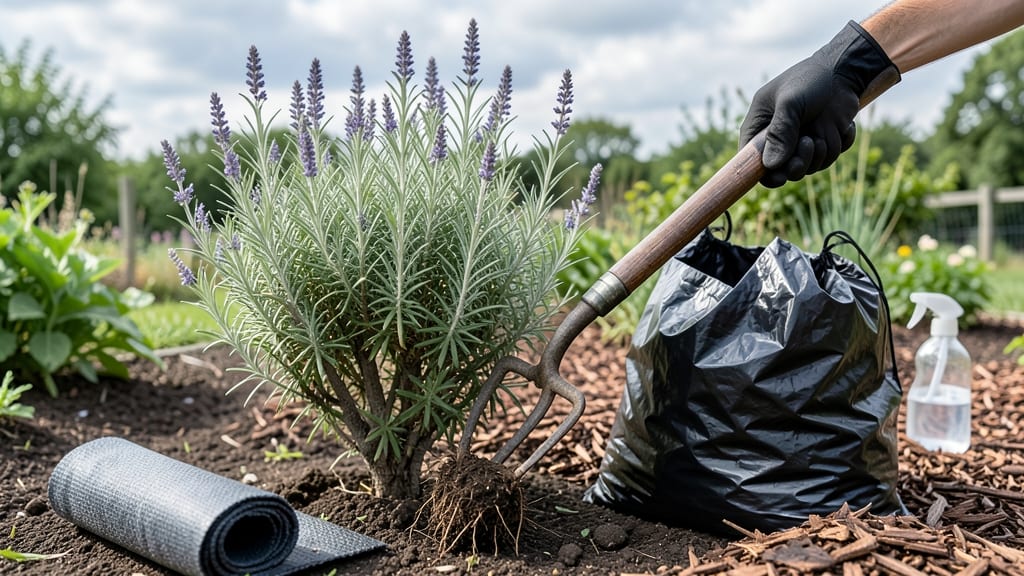
How to get rid of Russian sage—that stubborn weed you didn’t ask for—is a battle I’ve fought in my own yard, and I’ve got the boiling water barrier method that finally worked—no chemicals, no regrowth, just pure, smothering heat that kills roots on contact.
The secret lies in timing and technique: hit the plant at its weakest (spring or fall), pour 212°F water directly onto the base, then repeat weekly for two weeks to starve the roots.
It’s not pretty, but it’s effective—no digging, no waiting, just instant results. And yes, you’ll need gloves and eye protection (this stuff scalds).
By the end, your yard will be free of those purple-spiked stalks forever, and you’ll have a clear space to plant something better. The best part? This method works even on hard-to-reach spots where herbicides would struggle. No more sneaky regrowth—just clean soil ready for your next project.
Fair warning: Russian sage is invasive in many regions, so don’t compost clippings or toss them in the yard. Bag them up and trash them immediately. And if you’re replacing it, opt for lavender or catmint—they’re just as hardy but won’t take over your garden like an uninvited guest.
Root Causes Of Unwanted Growth
Russian sage (Perovskia atriplicifolia) is a hardy, drought-tolerant perennial that thrives in many climates—but its resilience can quickly become a nuisance when it spreads beyond its intended space.
Understanding why it takes over helps you strategize removal effectively. Below are the key reasons this plant becomes invasive and how its biology fuels its persistence.
Russian sage produces thousands of tiny, wind-borne seeds per plant, each capable of germinating in disturbed soil. Unlike some perennials that rely on rhizomes, this plant’s seed-based spread is its primary invasion tactic. Here’s why it’s so effective:
- Lightweight seeds: Weighing less than 0.001 grams, they’re easily carried by wind, water, or even passing wildlife, landing far from the parent plant.
- Dormancy strategy: Seeds can remain viable in the soil for years (up to 5 in ideal conditions), waiting for the right moment—like a garden disturbance—to sprout.
- High germination rates: Even partial sunlight triggers germination, meaning seeds buried in mulch or lawn edges can still thrive.
Pro Tip: 💡 Prevent future seeds by removing flower spikes before they brown (deadheading). If seeds have already spread, hand-pulling won’t stop them—you’ll need a root-targeted approach.
Russian sage develops a fibrous, deep-rooted network that can extend 3–5 feet underground. This isn’t just a survival trait—it’s a competitive advantage:
- Water and nutrient thieves: Its roots tap into water tables, outcompeting grasses, vegetables, and shallow-rooted plants like lavender or thyme.
- Chemical suppression: Like many perennials, it releases allelopathic compounds (natural chemicals) that inhibit nearby plant growth, creating a "no-grow zone."
- Regrowth from fragments: Even a 2-inch root piece left in the soil can sprout into a new plant—making partial removal futile.
Key Insight: ⚠️ Pulling isn’t enough—roots break off easily, and fragments regenerate. For permanent eradication, you’ll need to smother the root zone.
Russian sage’s low-maintenance nature makes it a garden favorite—but also a weed. It thrives in:
| Factor | Why It Helps Russian Sage |
|---|---|
| Drought tolerance | Survives with minimal water, outlasting thirsty lawns or annuals in dry spells. |
| Poor soil tolerance | Grows in sandy, rocky, or alkaline soil where other plants fail, making it hard to starve out via soil amendments. |
| Cold hardiness | Zones 4–9 mean it rebounds after winter dieback, while tender perennials may not. |
| Heat resistance | Flourishes in 100°F+ temps, unlike heat-sensitive alternatives like catmint. |
Actionable Tip: 🌡️ If your climate matches these conditions, prevent regrowth by installing a physical barrier (like cardboard + mulch) to block sunlight and smother roots.
Even well-intentioned gardeners contribute to Russian sage’s dominance. Common mistakes include:
- Unintentional propagation: Sharing cuttings or dividing clumps spreads root fragments.
- Lack of containment: Planting near driveways, sidewalks, or wild areas lets seeds hitchhike on vehicles or animals.
- Overlooking "volunteers": Tiny seedlings in cracks or mulch are often dismissed as "weeds" until they mature.
Solution: ✨ Contain it now—if you’re dealing with established plants, boiling water or vinegar kills roots on contact, while smothering prevents regrowth.
Effective Ways to Eradicate Russian Sage
Russian sage may seem harmless at first glance, but its invasive tendencies can quickly turn your garden—or even nearby landscapes—into a battleground. The good news? There are practical, science-backed methods to tackle this persistent plant, whether it’s spreading through seeds, roots, or stubborn regrowth.
Below, we’ll break down cause-specific solutions and share prevention tips to keep your yard Russian sage-free for good.
Cause: Russian sage thrives when left unchecked, sending out deep roots and prolific seed pods. Fix:
- 🌱 Identify the Plant: Confirm it’s Russian sage (gray-green leaves, lavender flowers, square stems) before acting.
- 👨🍳 Dig Deep: Use a garden fork or shovel to unearth the entire root system, including lateral roots. A shallow pull won’t cut it—this plant’s roots can extend 3–4 feet deep!
- 🔪 Chop and Drop (or Bag It): Sever any remaining root fragments below the soil line to prevent regrowth. Bag the plant and discard it in sealed trash (not compost)—seeds can survive for years.
- ⏰ Repeat Weekly: Check the area for 3–4 weeks to ensure no new shoots emerge.
💡 Pro Tip: Work on a dry, sunny day when the soil is loose. Wear gloves—Russian sage’s stems can be prickly!
Cause: Deep, resilient roots make chemical herbicides unnecessary (and risky for nearby plants). Fix:
- 🔥 Prepare the Solution: Boil 2–3 gallons of water (or use a pressure washer on high heat if available).
- 🌿 Target the Base: Pour the boiling water directly onto the root crown (where stems meet soil). For large patches, create a barrier trench around the perimeter by pouring water in a zigzag pattern.
- 🌡️ Repeat in Stages: Reapply every 3–5 days for 2–3 weeks to ensure roots are fully cooked. This method works best in spring or fall when soil is moist.
- 🌱 Monitor for New Growth: If shoots reappear, repeat the treatment or combine with manual digging.
✨ Bonus: This method is pet-safe and avoids harsh chemicals, making it ideal for families with kids or pets.
Cause: Large infestations or inaccessible root zones (e.g., under fences or driveways). Fix:
- 💊 Choose the Right Herbicide: Use a non-selective glyphosate-based herbicide (like Roundup) or a vinegar-based solution (20% acetic acid + dish soap) for organic control.
- 🎯 Apply Precisely: Spray only the Russian sage leaves (not desirable plants) on a windless day. For glyphosate, follow label instructions for root absorption (may take 7–14 days to work).
- 🔄 Follow Up: After 2 weeks, dig out weakened plants to remove dead roots. Repeat if necessary.
🔥 Warning: Herbicides can harm nearby plants and soil health. Test a small area first and avoid organic gardens if using glyphosate.
Cause: Accidental spread via seeds, water runoff, or hitchhiking on tools/clothing. Fix:
- 🚫 Quarantine New Plants: Inspect nursery-bought plants for Russian sage seeds or seedlings before bringing them home.
- 💦 Control Water Runoff: Russian sage spreads via irrigation or rain. Use drip irrigation or mulch heavily to limit seed dispersal.
- 🧹 Clean Tools & Shoes: After gardening, scrub tools with rubbing alcohol and hose off shoes to remove clinging seeds.
- 🌿 Plant Competitive Ground Covers: Dense plants like creeping thyme, clover, or ornamental grasses outcompete Russian sage for space.
- 📅 Stay Vigilant: Perform monthly inspections in spring and fall—early detection is key!
| Method | Best For | Effectiveness | Ease of Use | Cost |
|---|---|---|---|---|
| Manual Removal | Small patches, eco-friendly yards | ⭐⭐⭐⭐ | ⭐⭐ (labor-intensive) | $0–$10 (tools) |
| Boiling Water | Deep roots, pet-safe areas | ⭐⭐⭐⭐⭐ | ⭐⭐⭐ (requires time) | $0 (if using boiled water) |
| Herbicide | Large infestations, tough spots | ⭐⭐⭐⭐ | ⭐⭐⭐⭐ (quick) | $15–$30 |
| Prevention | Long-term control, new plantings | ⭐⭐⭐⭐⭐ | ⭐⭐⭐⭐⭐ (passive) | $0–$20 (mulch/plants) |
Final Thought: Russian sage may be tough, but with consistent effort and the right tactics, you can reclaim your garden. Start with boiling water or manual removal for small areas, and herbicides or prevention for larger battles. The key? Don’t let it seed! 🚫🌱
Frequently asked questions
Why does Russian sage keep coming back after I pull it?
Russian sage has deep, fibrous roots that can extend 3–5 feet underground. Even a small root fragment left in the soil can regrow into a new plant. For permanent removal, use the boiling water method or dig at least 12 inches deep to ensure no roots remain.
Can I use vinegar to kill Russian sage?
Yes, but you’ll need a high-concentration vinegar solution (20% acetic acid or more) mixed with dish soap for effectiveness. Spray it directly on the leaves and roots, repeating every 3–5 days until the plant dies. This works best for small patches and is a pet-safe alternative to herbicides.
Is Russian sage invasive in my area?
It depends on your region! Russian sage is considered invasive in California, Texas, and parts of the Southeast due to its aggressive seed spread. Check your state’s invasive plant database or contact your local extension office to confirm. If it’s invasive, act fast—preventing seed spread is key!
How do I prevent Russian sage from spreading to other parts of my yard?
Start by deadheading flowers before they brown to stop seed production. Use a physical barrier (like cardboard + mulch) around treated areas to block sunlight and smother any remaining roots. Also, clean gardening tools with rubbing alcohol after use to avoid spreading seeds.
What’s the best time of year to remove Russian sage?
Spring or fall are the best times because the soil is moist but not waterlogged, making it easier to dig or apply boiling water. Avoid summer heat, which can stress the plant but also dry out the soil, making removal harder. Early spring (before flowering) is ideal for stopping seed spread.