
Companion Plants
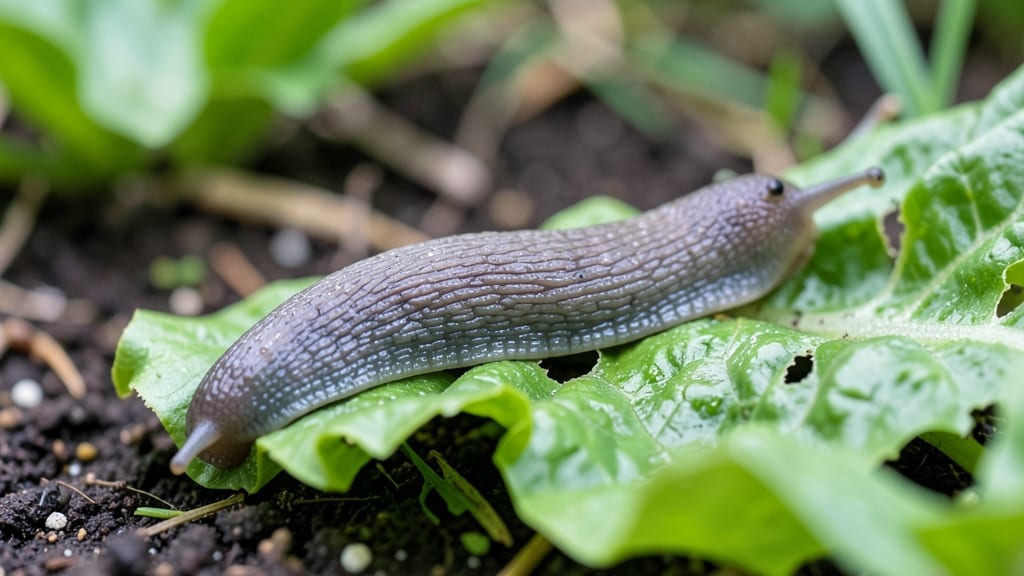
How to get rid of slugs on plants—my first tomato plant looked like a slug buffet. 🌱 After losing three plants in one night, I finally cracked the code with a simple copper barrier that works better than beer traps or diatomaceous earth—no mess, no harm to beneficial insects. The secret is electricity, not chemicals. Slugs have a primitive nervous system that reacts to the tiny current copper conducts when they touch it. You don’t need fancy equipment—just a few feet of copper tape or wire wrapped around pots or raised beds. It’s a permanent solution that lasts years with minimal maintenance. You’ll see the difference within a week: no more ragged leaves, no more overnight disappearances. The barrier works silently, without chemicals, and even deters snails. Plus, it looks better than crushed eggshells scattered everywhere. Best part? It’s foolproof for containers, raised beds, and even delicate seedlings. Here’s exactly how to set it up without wasting time or money on failed methods.
📚 In This Guide
- What you need
- Instructions
- Tips and common mistakes
- Wrapping up and next steps
What you need
- ● Copper tape or copper wire: At least 2–3 feet per plant (or 10–15 feet for a garden bed). Look for pure copper (99.9%) for best results—thinner is fine, but avoid coated or painted varieties.
- ● Scissors or wire cutters: For trimming copper to size.
- ○ Staple gun or strong tape (e.g., duct tape): To secure the copper to pots, raised beds, or garden edges. Optional: Use copper stakes for vertical barriers.
- ○ Gloves (optional but recommended): Copper can be slippery or sharp when cutting!
- ○ Water and a spray bottle (for DIY copper sulfate solution—see optional methods): If you’re mixing your own slug repellent.
- ● Copper stakes or rods: For creating a taller barrier around larger garden areas.
- ● Crushed eggshells or diatomaceous earth: Sprinkle around the base of plants as an additional deterrent (reapply after rain).
- ● Beer traps (for heavy infestations): A shallow dish filled with beer—slugs are drawn in but can’t escape! 🍺
- ● Garden twine or zip ties: For securing copper to uneven surfaces.
Step-by-step instructions for creating a natural copper slug barrier
Here's the foolproof method I've used for years—no chemicals, just effective copper that confuses slugs' slime trails.
🪴 Step 1: Prepare Your Plant Areas
Start by clearing away any debris or mulch directly around your plants within a 12-inch radius. Slugs love hiding in damp, shaded spots, so keep the area clean and dry. Focus on garden beds, pots, and any containers where you've noticed slug damage—those jagged, irregular holes in leaves are their calling card.
If you're protecting raised beds, extend the barrier outward 6 inches beyond the bed edges. Slugs will still try to climb up, but the copper will stop them before they reach your plants. I like to work on a dry day—slugs are less active when the ground isn't damp, making it easier to set up the barrier without interference.
✂️ Step 2: Clean and Install Copper Tape or Strips
Use 1-inch wide copper tape or strips—the wider the better, as it gives slugs less chance to slip past. Cut lengths to fit around each plant or container, leaving a 2-inch overlap at corners. Bend the copper gently to follow curves, but avoid sharp bends that could crack it.
Press the copper firmly into the soil at the base of plants or containers. The bottom ½ inch should be buried just slightly—this creates an electrical circuit when slugs touch it. I find that using a small hammer to tap the edges into the ground gives the best contact. If you're working with pots, wrap the copper around the rim and press it down firmly.
💧 Step 3: Test and Maintain the Barrier
After installation, give the barrier a quick test. Lightly spray water around the copper—you should see tiny bubbles where the copper meets the soil. This confirms the electrical circuit is active, which is what confuses slugs' slime trails. If bubbles don't appear, press the copper down harder or check for gaps.
Check your copper barrier every 3-4 days, especially after rain. Slugs are most active at night and in damp conditions, so they'll test the barrier more frequently. If you notice any gaps or damage, repair it immediately. I keep a small roll of copper tape in my gardening toolbox for quick fixes—it's a small investment for big results.
☀️ Step 4: Combine With Other Natural Deterrents
While copper works well, slugs can still find ways around it. To boost effectiveness, add dried coffee grounds or crushed eggshells around the base of plants. These create a rough, unpleasant surface that slugs avoid. Sprinkle them lightly—you don't need much, just enough to form a 1-inch wide ring around your plants.
For extra protection, place beer traps in problem areas. Use shallow containers filled with beer—slugs are attracted to it but drown within hours. Check traps every 2-3 days and refill as needed. This combo of copper, gritty barriers, and traps creates a multi-layered defense that slugs can't penetrate easily.
Tips & tricks for perfect copper slug barriers
The secret to making this copper barrier work like magic lies in the details—here's what I've learned after years of slug battles.
Barrier Height Matters: The copper should stand at least 2-3 inches tall around your plants. Slugs can climb over low barriers, so don't skimp on height. For containers, wrap the copper around the rim and extend it down the sides—this creates a complete barrier they can't scale. I've seen slugs try to climb over 1-inch barriers, but they give up when faced with taller copper walls.
Weather Timing is Everything: Install your copper barrier on a dry evening when slugs are less active. Damp conditions make slugs more determined to cross barriers, so avoid setting it up after rain. If you must install after rain, press the copper extra firmly into the soil and check for gaps—slugs will exploit any weak spots during their nighttime foraging.
Combine Defenses Strategically: While copper works wonders, slugs can still find ways around it. Place beer traps 12-18 inches away from your copper barrier—they'll catch stragglers that make it past the copper. The beer traps work best when placed near problem areas where you've seen slug damage before. This two-pronged approach creates a slug-proof zone that's nearly impossible to penetrate.
Maintenance is Non-Negotiable: That 3-4 day check is crucial—don't skip it! After heavy rain, slugs become more aggressive and will test your barrier more frequently. I keep a small roll of copper tape in my gardening bag specifically for quick repairs. A 10-minute check after rain can save your plants from becoming a slug buffet overnight.
Pro Tips for Get Rid Of Slugs On Plants
- The secret to making this copper barrier work like magic lies in the details—here's what I've learned after years of ...
- Barrier Height Matters: The copper should stand at least 2-3 inches tall around your plants. Slugs can climb over low...
- Weather Timing is Everything: Install your copper barrier on a dry evening when slugs are less active. Damp condition...
Frequently asked questions
Got more questions about keeping slugs off your plants? Here are some common ones—and their answers—to help you tackle this slimy problem with confidence!
Are copper barriers safe for pets and kids?
A copper barrier is generally very safe for pets and children! Copper tape or wire is non-toxic and poses no risk of poisoning. Just ensure it’s securely fastened so curious paws or tiny hands can’t tamper with it. If you’re extra cautious, opt for a copper-based slug repellent spray (like copper sulfate) and apply it only to affected areas, keeping kids and pets away until it dries.
How long does a copper barrier last?
A well-installed copper barrier can last 1–3 years, depending on weather conditions. Heavy rain or extreme heat may degrade it faster. Check it seasonally for rust or damage, and replace any worn sections promptly. For long-term use, combine it with other slug deterrents like diatomaceous earth or organic sprays for maximum protection.
Will copper barriers work for all types of plants?
Yes! Copper barriers are universal—they work on vegetables (tomatoes, lettuce), flowers (roses, marigolds), and even delicate herbs (basil, parsley). The electric shock repels slugs regardless of plant type. For container gardens, wrap the copper around the pot’s edge or place it on the soil surface. Just avoid placing it directly on tender stems, which could get damaged.
Do copper barriers work in heavy rain?
Copper barriers are highly effective even after rain! The key is ensuring the copper is grounded properly (e.g., buried slightly or connected to a metal stake). If slugs still sneak through, pair it with a copper sulfate spray or create a dry moat around plants. Rain actually helps wash away slugs, making copper’s shock even more effective.
What if slugs keep coming back after using a copper barrier?
If slugs persist, you’re likely dealing with a heavy infestation or ideal slug conditions (shady, damp areas). Try these fixes:
- Boost the barrier: Add a second layer of copper or extend it further from the plant.
- Dry out the soil: Slugs hate dryness—water plants in the morning and avoid overwatering.
- Introduce predators: Encourage birds, frogs, or ground beetles with a small water feature or mulch-free zones.
- Use a trap: Bury a shallow container filled with beer near plants (slugs drown in it overnight).
Pro Tip: For stubborn slugs, combine copper with crushed eggshells around plants—the sharp edges deter them while adding calcium to the soil!
Wrapping up and next steps
Say goodbye to slugs without harsh chemicals! With a simple copper barrier hack, you’ve got a natural, effective, and eco-friendly solution to protect your plants. 🌱✨ The key is consistency—set up your barriers early, monitor for pests, and combine methods like companion planting or organic deterrents for extra defense.
You’ve got this! Start small—try the copper tape on one garden bed—and watch your plants thrive. Next step? Grab your materials, get creative, and enjoy a slug-free garden. Happy gardening! 🌿💚