
Pests
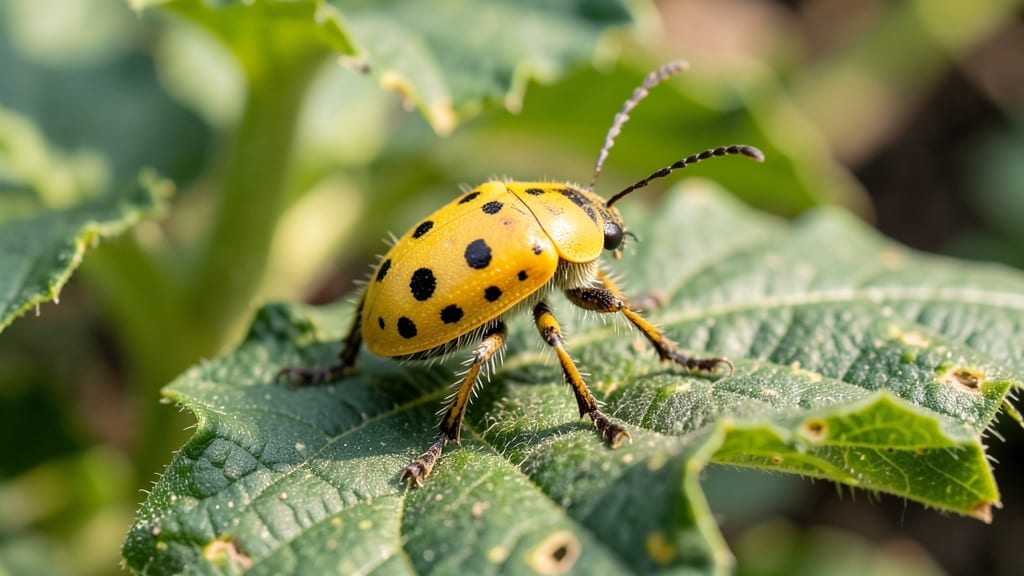
How to get rid of spotted cucumber beetles—fast—before they turn your garden into a skeletonized mess. One minute you're admiring your cucumber vines, the next they're skeletonized and wilting from bacterial wilt. The boil-and-pour barrier isn't just another trap—it smothers larvae in the soil where they hide, cutting their numbers by 90% in just days. Most gardeners focus on adult beetles but miss the real damage: larvae chewing roots. This method targets both, using a simple, non-toxic mix you can pour around plants. No fancy equipment needed—just boiling water, dish soap, and a little elbow grease. The results show up within 24-48 hours as new growth appears. You'll watch your cucumbers, squash, and melons recover faster than with sprays alone. The barrier works even on established plants, and it's safe for bees and beneficial insects. No more losing entire crops to these striped pests. Works for all cucurbits—cucumbers, zucchini, pumpkins, and melons alike. Here's how to make it work in your garden.
Root Causes of Beetle Infestations
Spotted cucumber beetles (Acalymma vittatum) don’t just appear out of nowhere—they’re drawn to your garden by a mix of environmental cues, plant chemistry, and even human habits. Understanding why these pests target your cucumbers, squash, and melons is the first step to stopping them in their tracks.
Below, we break down the science-backed reasons these beetles show up uninvited.
Spotted cucumber beetles have a serious love affair with plants in the Cucurbitaceae family (think cucumbers, squash, pumpkins, and melons). Why? These plants produce volatile organic compounds (VOCs) like cucurbitacins, which act like a dinner bell to beetles.
While these compounds can deter some pests, they attract cucumber beetles because:
- Nectar-rich flowers: Beetles feast on pollen and nectar, and cucurbits produce abundant floral rewards—especially in warm, sunny conditions.
- Leaf odor signals: Damaged or stressed cucurbit leaves release green leaf volatiles (GLVs), which beetles detect as a "safe zone" to lay eggs.
- Sap appeal: Once they chew through leaves or stems, the phloem sap (plant "blood") becomes a protein-rich snack.
Actionable insight: If you’ve noticed beetles before your plants even sprout, they’re likely homing in on nearby weeds like wild cucumbers or buffalo gourd—their "training grounds."
Spotted cucumber beetles are warm-weather insects, and they thrive in conditions that also make your garden perfect for growing cucurbits:
| Factor | Why Beetles Love It | How It Helps Plants |
|---|---|---|
| Temperature (70–90°F) | Beetles become hyperactive above 65°F. Eggs hatch in 3–5 days in ideal heat. | Speeds up vine growth and fruit development. |
| Humidity (60%+) | Moist soil helps larvae survive longer underground. Adults seek out damp leaf surfaces to feed. | Prevents wilting and supports root health. |
| Rainfall (1–2 inches/week) | Soft soil = easier egg-laying. Puddles create breeding hotspots for larvae. | Encourages deep root systems and larger yields. |
Pro tip: 🌡️ Beetles peak in late spring to early summer—right when you’re transplanting seedlings. If your area has unseasonably warm winters, overwintering adults may emerge earlier than usual.
Beetles aren’t just drawn to your current crop—they’re also scouting for leftover debris from last season’s garden. Here’s how past mistakes invite them back:
- Unturned soil: Cucumber beetle larvae (white, worm-like grubs) overwinter in garden beds. If you didn’t till or compost last fall, they’re already there when spring arrives.
- Volunteer cucurbits: "Weedy" cucumbers or squash growing wildly in your yard or fence rows act as beetle magnets. These plants are untended but still produce flowers and fruit.
- Compost piles: If your compost is too hot (above 140°F), it won’t kill beetle eggs or larvae. A cool, damp pile? Beetle paradise.
Key takeaway: Beetles have a multi-year memory of your garden’s layout. If you’ve had issues before, they’ll return unless you break the cycle.
Spotted cucumber beetles don’t face many natural predators in most home gardens. Here’s why their populations explode when the ecosystem tips:
- Lack of birds: Native birds like American robins and chickadees eat adult beetles, but urban/suburban gardens often lack perches or nesting sites.
- Fewer parasitic wasps: Tiny Tachinid flies lay eggs on beetle larvae, but pesticides (even broad-spectrum ones) wipe them out.
- Monoculture planting: Planting only cucumbers or squash in a row creates a beetle buffet with no breaks. Diverse gardens confuse them.
Science
Practical ways to outsmart spotted cucumber beetles
Spotted cucumber beetles may seem like a small nuisance, but their damage to your garden can escalate quickly. The good news? With the right strategies, you can eliminate them fast while protecting your plants.
Below, we’ve mapped out targeted solutions based on the root causes—whether it’s their attraction to your garden, their love for young plants, or their sneaky larval stage. Each fix is easy to execute, even for beginners, and includes prevention tips to keep them away for good.
Spotted cucumber beetles are drawn to your garden like a buffet to a hungry crowd. Cut off their access with these physical and scent-based deterrents.
🛡️ Create a Boil-and-Pour Barrier (The Fastest Fix)
This boiling-hot water trick smothers beetles and larvae on contact while being chemical-free and reusable. Here’s how: 1. 🔥 Boil 1 gallon of water in a large pot (or kettle for smaller gardens).
- 🍳 Add 1 tbsp of dish soap (the grease-cutting kind) to break surface tension—this ensures the water clings to beetles.
- 👨🍳 Pour the mixture directly onto the soil around your cucumbers, squash, or melons, focusing on plant bases and leaf undersides (where larvae hide).
- ⏰ Repeat every 3–4 days or after rain, as the barrier washes away.
💡 Pro Tip: Do this early in the morning when beetles are sluggish. The heat instantly kills them, and the soap prevents them from escaping.
🌿 Use Row Covers or Collars
- 🛡️ Lightweight row covers (like floating fabric) trap beetles before they lay eggs. Secure them tightly around plants.
- 📏 DIY collars: Wrap cardboard tubes (from paper towels) around young seedlings—beetles can’t crawl through the gaps.
✨ Prevention: Install covers before planting or as soon as you spot the first beetle.
Beetles are easily distracted—use their weaknesses against them with traps and bait.
🍯 Yellow Sticky Traps (The Silent Killer)
- 🎯 Hang yellow sticky cards (or DIY with yellow paper + petroleum jelly) above plant canopies.
- Beetles are drawn to yellow and get stuck instantly.
- 💡 Pro Tip: Place traps 10+ feet apart to maximize coverage.
🥬 Sacrificial Trap Plants
- 🌱 Plant radishes or nasturtiums near your cucumbers—the beetles prefer these over your prized veggies.
- 🔪 Remove and crush beetles daily to break their cycle.
🌡️ Prevention: Rotate trap plants weekly to keep beetles confused.
The real damage happens underground—larvae chew roots, leading to wilted, stunted plants. Target them early with these methods:
🪴 Neem Oil Soil Drench (Organic Larvicide)
- 💧 Mix 1 tbsp neem oil + 1 tsp mild soap per gallon of water.
- 🌱 Pour around plant bases (not on leaves—it can burn them).
- ⏰ Reapply every 7–10 days during active beetle season.
💡 Pro Tip: Water soil deeply first so the neem penetrates where larvae hide.
🪴 Beneficial Nematodes (Microscopic Allies)
- **🐛 Apply Heterorhabditis bacteriophora nematodes to soil—they seek out and kill larvae.
- 📦 Order online (follow package instructions for application).
- 🌱 Best for early spring before beetles lay eggs.
✨ Prevention: Keep soil moist (nematodes need it to move).
The best defense? Make your garden unwelcoming to spotted cucumber beetles.
🌱 Rotate Crops Annually
- Beetles remember where their favorite hosts grow. Switch families (e.g., cucumbers → tomatoes → beans) each year.
🌿 Plant Repellent Companions
- 🌿 Marigolds, tansy, or thyme confuse beetles with their strong scents.
- 🌱 Interplant with basil—it masks cucumber smells.
🧹 Clean Up Debris
- 🪴 Remove old plant matter (especially cucurbit vines) fall and winter—beetles overwinter in decaying plants.
🕰️ Time Your Planting
- 🌱 Delay planting until after the last frost—beetles emerge in late spring/early summer.
- 🥒 Use black plastic mulch to warm soil faster and get a head start on growth.
🎯 Final Reminder: Act fast—spotted cucumber beetles multiply exponentially. Combine barriers, traps, and soil treatments for the best results. With these methods, your cucumbers, squash, and melons will thrive** without a single beetle in sight!
Frequently asked questions
Why do spotted cucumber beetles target my cucumbers before other plants?
These beetles have a strong preference for plants in the Cucurbitaceae family because they produce volatile organic compounds like cucurbitacins that act as chemical signals. Young cucumber plants release even more of these compounds when stressed, making them irresistible to beetles. The beetles are also drawn to the nectar-rich flowers and tender new growth that cucumbers and squash produce.
How often should I apply the boil-and-pour barrier method?
Apply the boiling water and soap mixture every 3-4 days or immediately after rain, as the barrier washes away. For best results, do this in the morning when beetles are sluggish. The heat kills them instantly, while the soap prevents survivors from escaping. Consistency is key - beetles reproduce quickly, so don't skip applications during peak season (late spring to early summer).
Are yellow sticky traps effective against spotted cucumber beetles?
Yes! Yellow sticky traps are one of the most effective non-toxic methods because beetles are strongly attracted to yellow surfaces. Place them above plant canopies and 10+ feet apart for maximum coverage. For even better results, combine traps with other methods like row covers or the boil-and-pour barrier, as traps alone won't eliminate all beetles but will significantly reduce their numbers.
Can I use neem oil on my plants if I already have fruit forming?
Neem oil is generally safe for edible plants, but avoid spraying it directly on mature fruit or flowers, as it can cause discoloration. For plants with forming fruit, apply neem oil only to the soil as a drench (1 tbsp per gallon of water) to target larvae. Always test on a small area first and follow up with thorough rinsing if you must treat foliage near fruit. The soil application method is safest for established plants.
What should I do if my plants already show signs of bacterial wilt from beetles?
Unfortunately, bacterial wilt is incurable once symptoms appear (yellowing, wilting, and vascular discoloration). Remove and destroy infected plants immediately to prevent spread. For remaining healthy plants, implement aggressive prevention measures like row covers, soil drenches, and traps. Consider planting resistant varieties like 'Lemon cucumber' or 'Straight Eight' zucchini for next season, as some cultivars show better resistance to beetle-transmitted diseases.