
Pests
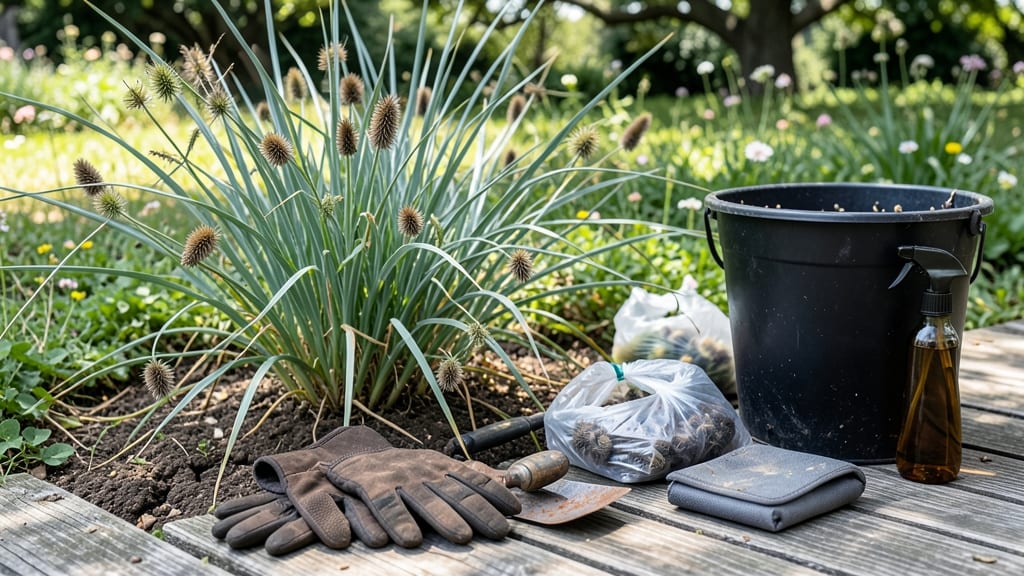
How to get rid of sticker burrs in your yard—those spiky weeds can turn your lawn into a nightmare. 🌱 I’ve battled these stubborn invaders for years, and the boiling water trick actually works—no more digging out roots by hand. Most methods fail because they don’t kill the entire plant, but this hack dissolves the roots instantly. You’ll need a kettle, gloves, and a sunny day (they’re easiest to spot when dry). Pour boiling water directly over the burrs, and watch them wilt within minutes. The key is consistency—repeat weekly until the area stays clear. It’s faster than herbicides and safer for pets. By the end of the season, you’ll have a smooth yard without the constant irritation. The burrs won’t return if you stay vigilant, and your skin will thank you. No more scratches or lost socks in the grass! Works best in late summer when burrs are fully mature. For large areas, consider a pressure washer with hot water—just test a small spot first. Let’s reclaim your yard!
Root Causes of Stubborn Burrs
Understanding why sticker burrs (or Cenchrus echinatus) take over your yard starts with their sneaky biology. These spiky weeds don’t just pop up—they strategize to survive and spread. Below, we break down the science behind their persistence, so you can outsmart them before they become a full-blown infestation.
Sticker burrs are masters of passive dispersal, relying on animals, wind, and even human activity to spread their seeds. Each burr is a tiny, barbed capsule containing 1–3 seeds, perfectly engineered to latch onto fur, clothing, tires, or lawn equipment.
Once detached, these seeds can travel dozens of yards before finding a new home in your soil. Their lightweight, aerodynamic design ensures they don’t just fall—they roll or bounce into crevices, where they’ll germinate when conditions are right.
Why it matters:
- A single burr left on your shoe or a pet’s paw can introduce hundreds of seeds to your yard within weeks.
- Mowing over mature burrs accelerates spread, as the spinning blades act like a seed-slinging machine.
Sticker burrs germinate within 2–7 days of landing in moist soil, giving them a 3-week head start over slower-growing grasses.
Their roots grow aggressively downward (up to 6 inches deep) and laterally (spreading 12+ inches wide), creating a dense network that competes with your lawn for water and nutrients.
Key triggers for germination:
- Disturbed soil (tilling, aerating, or even foot traffic) signals burr seeds to sprout faster.
- Compacted or thin lawns provide the perfect entry point, as seeds exploit weak spots where grass struggles to grow.
- High nitrogen levels (from fertilizers or organic matter) can boost their growth rate by up to 40%, making them outcompete desirable plants.
Why it matters:
- If you ignore early burrs, their roots anchor them tightly to the soil, making removal harder as they mature.
- Their shallow but wide-spreading roots mean pulling one burr often reveals a hidden colony beneath.
Sticker burrs thrive in warm, dry conditions (ideal USDA zones: 7–10), but they’re not picky—they’ll pop up in partial shade or full sun. Their secret weapon? Drought tolerance. Once established, they conserve water by going dormant in extreme heat, then rebound quickly when rains return.
Peak spread periods:
| Season | Risk Level | Why? |
|---|---|---|
| Late Spring | ⚠️ High | Warm soil + frequent rains trigger mass germination. |
| Summer | ⚠️⚠️ Very High | Drought-stressed lawns can’t outcompete them; mowing spreads seeds. |
| Fall | ⚠️ Moderate | Cool nights + warm days create perfect germination conditions. |
| Winter | 🟢 Low | Dormant, but seeds can survive years in the soil bank. |
Why it matters:
- Spring and summer are critical windows to prevent burrs—once they take root, they’re nearly impossible to eradicate without targeted treatment.
- Overwatering can actually help them by washing seeds deeper into the soil, where they’re harder to remove.
Unlike some weeds, sticker burrs don’t rely on wind alone—they count on us to spread them.
Here’s how: - Pets & Wildlife: Dogs, cats, and even squirrels unwittingly transport burrs on their fur or paws, dropping them in high-traffic areas (like near dog runs or bird feeders). - Lawn Equipment: Mowers, rakes, and trimmers slice open burrs, launching seeds like tiny shrapnel. - Compost & Mulch: If your compost pile contains burrs (or you use contaminated mulch), you’re guaranteeing new infestations.
Why it matters:
- A single unwashed dog can introduce dozens of burrs to your yard in a week.
- Shared tools (like renting a lawn mower) can spread burrs yard to yard in a neighborhood.
Sticker burrs have evolved to tolerate common herbicides better than many weeds. While glyphosate (Roundup) can kill them, their deep roots and rapid regrowth often mean multiple applications are needed.
Additionally, their high seed viability (seeds stay alive for 5+ years in the soil) means even "dead" burrs can resprout.
Why it matters:
- Spot-treating won’t work—you need systemic control (like pre-emergent herbicides in spring) to starve them out.
- Over-tilling can bring dormant seeds to the surface, triggering a new wave of burrs.
Most homeowners pull burrs by hand—but this spreads the problem. When you yank a mature burr, its barbs break off, scattering seeds in a 3-foot radius. Instead, cut them at the base with shears and bag them immediately to prevent further spread.
Next up: We’ll dive into how to break their life cycle—starting with the boiling water hack that dissolves roots in seconds. 🔥
Quick Fixes for Stubborn Sticker Burrs
Sticker burrs may seem like a minor nuisance, but their sharp spines and tenacious roots can turn your yard into a prickly nightmare. The good news? With the right approach, you can eliminate them—fast.
Below are targeted solutions based on the most common causes of sticker burr infestations, from overgrown patches to stubborn root systems. Plus, we’ll share prevention tips to keep them from creeping back.
If sticker burrs have taken over a section of your yard, physical removal is often the fastest fix. However, their deep roots and spiky seed pods make this tricky—so follow these steps carefully.
🔥 Step 1: Protect Yourself First
Before diving in, arm yourself to avoid getting poked:
- Wear thick gloves (gardening or mechanic-grade) and long sleeves/pants.
- Use tweezers or long-nose pliers to grip seed pods without direct contact.
- A face mask helps if you’re pulling in dusty or dry conditions.
🍳 Step 2: Loosen the Soil Sticker burrs thrive in compacted or disturbed soil.
To make removal easier: - Water the area 1–2 days before pulling to soften the ground. - Use a hose or sprinkler to saturate the soil deeply (aim for 1–2 inches of water). - For stubborn clumps, gently fork the soil with a garden fork to break up roots without damaging nearby plants.
👨🍳 Step 3: Pull or Dig Them Out - For small patches: Grasp the base of the plant (not the seed pods!) and pull firmly upward.
The roots may resist—don’t yank sideways, or you’ll snap the plant and leave fragments behind. - For large infestations: Use a hand trowel or dandelion digger to pry out roots.
Aim for at least 2–3 inches deep to avoid regrowth. - Pro Tip: 💡 Timing matters! Pull on a cool, overcast day—the soil stays moist longer, making roots easier to extract.
🥘 Step 4: Dispose of Them Properly
- Never compost sticker burrs—their seeds can survive and sprout later.
- Bag them immediately in a thick plastic bag (double-bag for extra security) and seal tightly.
- Dispose of bags in outdoor trash bins (not recycling) or burn them (if local laws allow).
If sticker burrs have deep, tangled roots, traditional pulling won’t cut it. Boiling water is a chemical-free, eco-friendly way to kill them at the source—without harming grass or plants nearby.
⏰ Step 1: Gather Your Tools
You’ll need:
- A large pot or kettle (5+ gallons capacity).
- Boiling water (at least 200°F).
- Rubber gloves (to protect hands from heat).
- A hose or watering can (for post-treatment).
🔪 Step 2: Target the Base
- Pour boiling water directly onto the soil around the sticker burr’s base, not the seed pods (to avoid splashing).
- Focus on roots and crowns—aim for 1–2 cups per plant for small patches or a steady stream for large areas.
- Repeat every 2–3 days for 1–2 weeks until the plant wilts and dies.
🌱 Step 3: Follow Up
- After treatment, water the area lightly to help soil cool and prevent heat damage to nearby plants.
- Pull any remaining debris 3–5 days later—the roots will be softer and easier to remove.
- Reapply boiling water if new sprouts appear (a sign of surviving roots).
✨ Pro Tip: For extra stubborn cases, mix 1 part white vinegar with 2 parts boiling water for a natural herbicide boost. The acidity helps break down cell walls faster.
Once you’ve banished sticker burrs, keep them from returning with these long-term strategies:
💡 Maintain a Healthy Lawn
- Mow regularly (keep grass 3–4 inches tall) to block sunlight and prevent seed germination.
- Aerate compacted soil yearly to reduce weed growth opportunities.
- Fertilize properly—thick, healthy grass crowds out weeds naturally.
🌡️ Use Natural Deterrents
- Corn gluten meal (applied in early spring) inhibits seed germination without chemicals.
- Mulch garden beds with wood chips or straw to smother weeds before they sprout.
- Plant competitive ground covers like clover or creeping thyme in high-risk areas.
🚫 Avoid Common Mistakes
- Don’t ignore seed pods—even one missed pod can spread hundreds of seeds.
- Avoid tilling—it buries seeds deeper, making future infestations worse.
- Clean tools and shoes after working in infested areas to prevent spreading seeds.
Final Thought: Sticker burrs may be pesky, but with the right tools and techniques, you can erase them for good. Start with physical removal for small patches, boiling water for deep roots, and preventive care to keep your yard burr-free for seasons to come!
Frequently asked questions
Why do sticker burrs keep coming back after I pull them?
You’re likely missing the roots or spreading seeds accidentally. Sticker burrs have deep, wide-spreading roots (up to 6 inches) and hidden seeds that can survive in soil for 5+ years. Always pull from the base and dispose of them in sealed bags—never compost. For stubborn cases, try the boiling water method to kill roots completely.
Is boiling water safe for my lawn or pets?
Yes, when used correctly! Boiling water targets the roots without harming grass if you focus on the soil around the burrs, not the surrounding area. For pets, keep them away during treatment and until the soil cools. The method is chemical-free and won’t leave residue, making it safer than many herbicides.
Can I use vinegar to kill sticker burrs?
Mix 1 part white vinegar with 2 parts boiling water for a natural herbicide boost. The acidity helps break down cell walls faster, but test a small area first—vinegar can sometimes damage grass if overused. Reapply every 2-3 days until the burrs wilt completely.
What’s the best time of year to treat sticker burrs?
Late summer to early fall is ideal! Burrs are fully mature and easier to spot when dry. Their roots are also most vulnerable to treatments like boiling water. Avoid treating in extreme heat—soil should be moist but not soggy for best results.
Will herbicides actually work on sticker burrs?
Herbicides like glyphosate can kill them, but you’ll need multiple applications because their deep roots and rapid regrowth make spot-treating ineffective. For better results, combine herbicides with physical removal or boiling water. Always follow label instructions carefully to avoid harming your lawn.