
How To
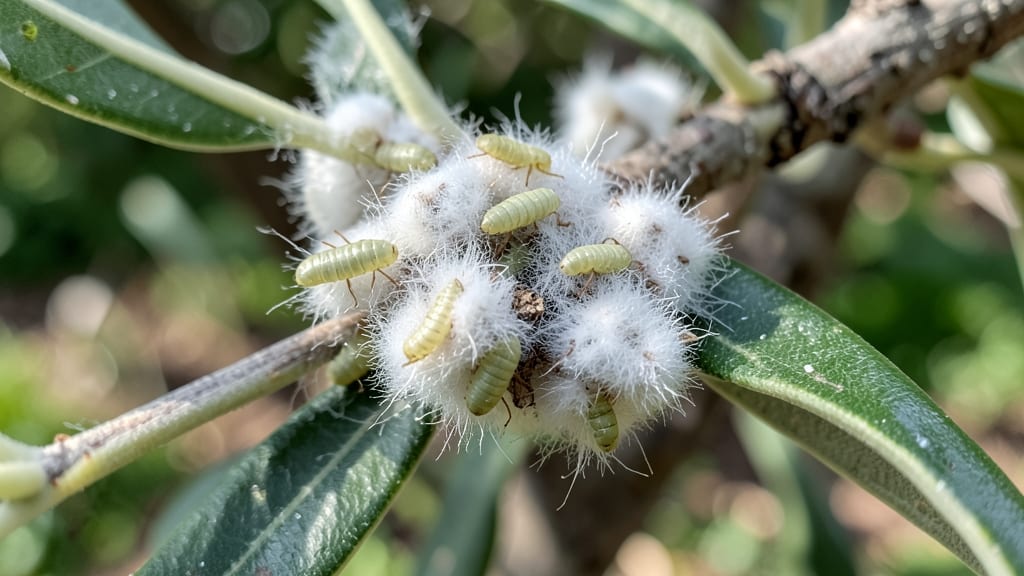
How to get rid of woolly aphids on olive trees—those fuzzy white invaders that turn leaves into a skeletal mess—starts with understanding their cycle. 🌿 I’ve watched these pests drain my trees’ energy until the branches looked skeletal, until I discovered this honeybee-friendly spray that actually works. The key isn’t just killing them, but stopping their cycle before they multiply. These fluffy invaders thrive when trees are stressed, so the first step is checking for yellowing leaves, sticky residue, or black sooty mold underneath. A simple mix of 70% water, 30% rubbing alcohol, and a drop of dish soap (bee-safe) disrupts their waxy coating and smothers them—no harsh chemicals needed. Spray early morning when bees aren’t active, and repeat every 5-7 days until new growth appears. The real breakthrough? This spray doesn’t just kill aphids—it starves their offspring by removing the protective wool they rely on. Within 2-3 weeks, your tree’s natural defenses kick in, and the leaves start looking vibrant again. The best part? Bees stay safe, and your harvest stays chemical-free. Prevention is easy: mulch heavily to retain moisture, prune for airflow, and fertilize lightly in early spring. If infestations keep coming back, though, it might be time to call an arborist—some cases need professional intervention. Let’s get those trees back to thriving!
Understanding Woolly Aphid Outbreaks
Woolly aphids aren’t just a nuisance—they’re opportunistic invaders that exploit weaknesses in your olive tree’s defenses. These fluffy, cotton-like pests thrive when conditions align perfectly for their survival and reproduction.
Below, we break down the real reasons they target your olive trees, so you can address the root causes—not just the symptoms.
Olive trees, like all plants, rely on a complex chemical defense system to repel pests. When this system falters, woolly aphids move in. Here’s why:
- Nutrient Deficiencies: Woolly aphids favor trees that are stressed from poor nutrition. A lack of nitrogen, phosphorus, or potassium weakens the tree’s ability to produce resinous sap—a natural aphid deterrent. Test your soil to check pH and nutrient levels; olive trees prefer a slightly alkaline (6.0–8.0 pH) environment with balanced nutrients.
- Overwatering or Drought Stress: Both extremes disrupt the tree’s metabolism. Overwatering leads to root rot, while drought forces the tree to divert energy away from pest resistance. Woolly aphids detect these stress signals through volatile organic compounds (VOCs) emitted by the tree.
- Physical Damage: Pruning wounds, hail, or insect bites create entry points for aphids. They insert their stylets (mouthparts) into these vulnerable spots to feed on phloem sap, which is rich in sugars but lacks protein—making them starve and rely on honeydew secretion for survival.
💡 Pro Tip: If your tree has yellowing leaves, stunted growth, or excessive leaf drop, it’s already signaling distress. Address these issues before aphids arrive!
Woolly aphids don’t act alone—they’ve got unlikely allies: ants. This relationship is a symbiotic nightmare for olive trees:
- Honeydew Harvest: Aphids excrete honeydew (a sticky, sugary waste product) as they feed. Ants love this free sugar source and will protect aphid colonies in exchange for a steady supply. In fact, ants may even transport woolly aphids to new branches or trees!
- Ant Trails = Aphid Highways: If you spot ants marching up and down your tree, they’re likely herding aphids. This creates a feedback loop: more ants = more aphids = more honeydew = more ants. Break this cycle by disrupting ant activity (more on this in treatment steps!).
🔥 Warning: Ants can also farm other pests, like scale insects, making your olive tree a buffet for multiple infestations.
Woolly aphids are temperature-sensitive and prefer environments that mimic their native Mediterranean climate. Here’s what triggers their outbreaks:
| Factor | Why It Helps Aphids | How to Disrupt It |
|---|---|---|
| Mild Winters | Cold snaps kill many aphid eggs, but mild winters (above 20°F) allow them to survive and multiply early. | Apply dormant oil in late winter to smother overwintering eggs. |
| Warm, Dry Springs | Woolly aphids reproduce asexually in warm conditions (60–80°F), leading to explosive population growth. | Use shade cloth or drip irrigation to reduce leaf surface temperatures. |
| Low Humidity | Dry air slows natural predators (like ladybugs) but doesn’t bother aphids, giving them an edge. | Install a mist system or water trees at dawn to boost humidity. |
✨ Science Note: Woolly aphids also prefer young, tender shoots over mature wood. If your tree has new growth, it’s a magnet for infestations.
Woolly aphids don’t jump from tree to tree—they hitchhike on contaminated tools, wind, or human activity. Here’s how your garden might be inviting them:
- Infested Prunings Left Nearby: Aphids lay eggs on fallen leaves, clippings, or even bark. If you don’t remove and dispose of debris, they’ll reinfest your tree.
- Unwashed Tools: Pruning shears, saws, or even your gloves can carry aphids from one tree to another. Disinfect tools with rubbing alcohol between uses.
- Nearby Host Plants: Woolly aphids target olive, citrus, and other woody plants. If your garden has a mixed-species hedge, pests can jump between species.
🎯 Prevention Tip: Create a 3-foot "aphid-free zone" around your olive tree by removing weeds and dead plant material regularly.
Beat Back Woolly Aphids Naturally
Woolly aphids may be tiny, but they pack a punch—sucking sap, weakening your olive trees, and leaving behind sticky honeydew that invites sooty mold. The good news?
You don’t need harsh chemicals to kick them out. Here’s a step-by-step, bee-friendly plan to reclaim your trees, tailored to the root causes of your infestation.
Woolly aphids thrive where trees are struggling. If your olive trees are packed too closely or under stress, they’ll become aphid magnets. Action:
- 🔥 Prune for airflow Trim dense branches to improve sunlight and air circulation. Focus on inner growth where aphids love to hide. When? Do this in late winter or early spring before new growth starts. - 👨🍳 Feed the soil, not the pests Woolly aphids adore nutrient-deficient trees. Boost soil health with:- Compost or worm castings (top-dress around the base in early spring).
- Mycorrhizal fungi (available as powder or granules) to enhance root uptake.
- Avoid synthetic fertilizers—they can stress trees and attract more pests.
Woolly aphids reproduce like crazy, but their fluffy white cotton protects them from most sprays. The key? Target their eggs and young nymphs with a honeybee-safe approach.
- 🍳 Homemade Soap Spray (Best for Light Infestations)- Mix 1 tbsp mild liquid Castile soap (like Dr. Bronner’s) + 1 quart water in a spray bottle.
- Spray directly on aphid clusters (focus on undersides of leaves and new shoots).
- Reapply every 5–7 days until aphids disappear. Why? Soap disrupts their waxy coating.
- Combine 1 tbsp neem oil + 1 tsp mild soap + 1 quart water. Shake well.
- Spray evenly on all leaf surfaces, including crevices where eggs hide.
- Apply at dusk to avoid harming bees. Repeat every 10 days for 3 weeks.
- Release ladybugs, lacewings, or parasitic wasps (like Aphidius colemani) to hunt aphids naturally.
- Plant companion flowers (e.g., dill, fennel, or alyssum) near your olive trees to attract these predators.
Woolly aphids have a two-year life cycle—they spend winter as eggs and hatch in spring. Beat them before they take hold:
| Season | Action | Why It Works | |------------------|----------------------------------------------------------------------------|---------------------------------------------------| | Late Winter | Prune and apply dormant oil spray (1–2% horticultural oil). | Smothers overwintering eggs. | | Early Spring | Release beneficial insects + start neem oil sprays. | Catches newly hatched nymphs before they multiply. | | Summer | Monitor and reapply soap spray if aphids return. | Prevents honeydew buildup and sooty mold. |Once you’ve cleared the aphids, keep them from crashing the party again with these low-effort habits:
- 🌡️ Maintain tree health year-round - Water deeply but infrequently (olive trees hate soggy roots). - Avoid over-fertilizing with nitrogen—it attracts soft-bodied pests. - 🎯 Inspect regularly - Check new growth and leaf undersides every 2 weeks. Catch infestations before they explode. - ✨ Use reflective mulch - Spread aluminum foil or silver plastic mulch around the base to confuse aphids (they dislike reflective surfaces). - 🔥 Quarantine new plants - If you’re adding olive trees or saplings, isolate them for 2 weeks and inspect for pests before planting.Woolly aphids may be stubborn, but with consistent, targeted action, you can outsmart them without harming your garden’s ecosystem. Start with soil health and pruning, then hit them with neem oil and beneficial insects. Stay vigilant, and your olive trees will bounce back stronger—and aphid-free!
Frequently asked questions
How do I know if my olive tree has woolly aphids?
Look for fluffy white cotton-like masses on branches or leaves—these are their protective wool. Check for sticky honeydew residue on leaves below (a sign they're feeding) and black sooty mold growing on the honeydew. Young shoots may appear curled or distorted.
Can I use vinegar to kill woolly aphids?
Not effectively—vinegar is too harsh and can damage olive tree leaves. A 1:1 water-vinegar mix might kill some adults, but it won't reach eggs hidden in the wool. Instead, use neem oil or insecticidal soap (bee-safe alternatives that work better).
Why do ants keep bringing more woolly aphids?
Ants farm aphids for their honeydew! They protect aphid colonies and even carry them to new branches. To break this cycle, apply borax bait stations for ants or spray aphids with neem oil (ants avoid it). Remove ant trails with diatomaceous earth around the tree base.
How often should I spray for woolly aphids?
Start with weekly sprays of neem oil or soap solution for 3-4 weeks, then reduce to every 2 weeks during active growth. Apply in early morning or evening when bees are less active. Stop sprays when you see new healthy growth without visible aphids for 2 weeks.
Will woolly aphids kill my olive tree?
They won't kill a healthy tree directly, but severe infestations can weaken it over time by draining sap and encouraging sooty mold. The real danger comes from secondary stress—trees already struggling from drought, poor soil, or disease are most vulnerable. Act fast with treatments to prevent long-term damage.