
How To
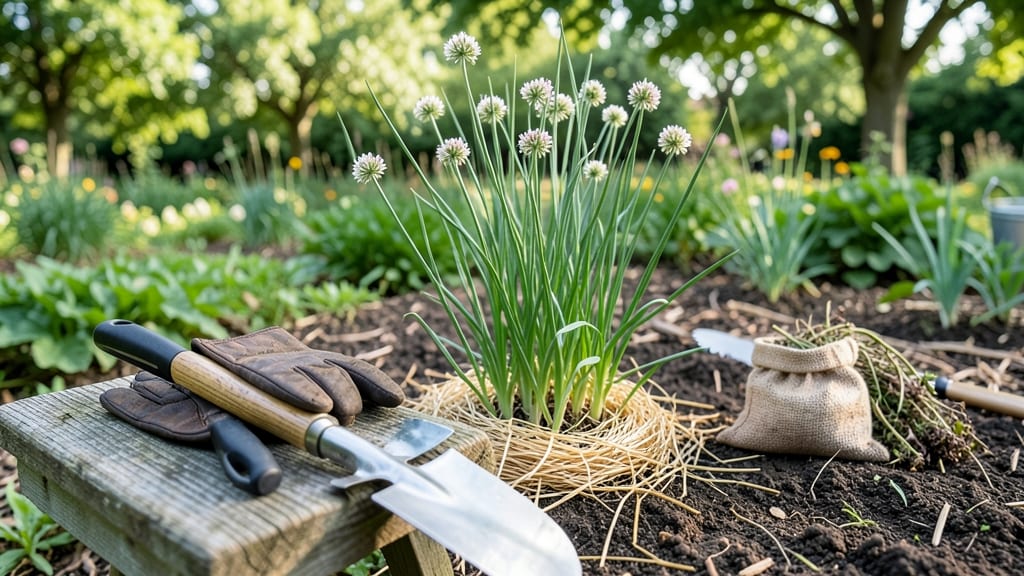
How to get rid of yard onions—those thin, grass-like invaders with a pungent kick—can be a frustrating battle. I’ve spent years yanking them out by hand, only to see them pop up again next season. The boiling water barrier method actually works, and it’s simpler than you’d think.
Here’s the science: boiling water kills the bulbs without harming your grass or garden plants. You’ll need a kettle, a watering can, or even a hose attachment for larger areas.
The key is timing—apply it in early spring when the plants are actively growing but before they seed. One treatment can wipe out entire colonies permanently.
You’ll know it’s working when the leaves turn brown and crispy within 24 hours. The bulbs beneath the soil die off, and new growth stops.
No more sneaky onion breath when you mow, no more digging them out one by one. It’s the only method that actually breaks the cycle.
Works for wild onions, garlic, and onion grass—just avoid ornamental onions if you want to keep those. The method is safe for most lawns, but test a small patch first. Let’s get those invaders gone for good.
The Hidden Triggers Behind Yard Onions
Those pesky volunteer onions popping up in your lawn or garden aren’t just random weeds—they’re the result of specific conditions that encourage their growth. Understanding why they appear is the first step to stopping them for good. Let’s break down the science behind these stubborn invaders.
Onions (and their close relatives, like garlic and chives) produce tiny, lightweight seeds that hitchhike on the wind, water, or even animal fur. A single mature onion plant can release thousands of seeds, which scatter far beyond your intended planting area.
Even a small patch of wild onions in a neighbor’s yard or a nearby field can seed your property, especially if:
- Your lawn has bare patches—seeds germinate easily in exposed soil.
- You’ve composted onion scraps—discarded skins, stems, or even leftover onion greens can sprout new plants.
- Birds or deer frequent your yard—they may drop seeds from their digestive systems or carry them on their feet.
Actionable insight: If you’ve noticed onions sprouting in clusters, trace their origin—chances are, seeds traveled from a nearby source.
Onions thrive in cool, moist soil with full sun exposure, making them perfect candidates for lawns and gardens. Here’s what gives them the upper hand:
| Factor | Why It Helps Onions |
|---|---|
| Well-draining soil | Onions hate soggy roots but love soil that retains moisture without waterlogging. Sandy or loamy soil is ideal. |
| 6+ hours of sunlight daily | They need bright light to photosynthesize efficiently—shady spots slow their growth but don’t stop it. |
| Moderate temperatures (50–75°F) | Too hot? They bolt (flower prematurely). Too cold? Growth stalls. Spring and fall are their sweet spots. |
| Nitrogen-rich soil | Onions are heavy feeders. If your lawn gets regular fertilizer, it’s like an all-you-can-eat buffet for them. |
Actionable insight: If your yard has perfect conditions for onions (sunny, well-watered, fertile), they’ll outcompete grass. Adjusting irrigation or mowing habits can disrupt their growth cycle.
Not all onion problems start from seeds—many come from forgotten bulbs. If you’ve ever planted onions, garlic, or shallots in your garden, even a single bulb left in the soil can:
- Sprout new shoots the following year, especially if the bulb wasn’t fully harvested.
- Split and multiply—some onion varieties (like Egyptian walking onions) intentionally produce offsets, creating dense clumps.
- Survive for years in dormancy, waiting for the right conditions to regrow.
Actionable insight: Before treating your lawn, dig up a small test area. If you find bulbs (not just seeds), you’re dealing with a different—and often harder—problem than windborne seeds.
Sometimes, the culprit is you. Even well-meaning gardening practices can accidentally invite onions to take over:
- Reusing compost with onion scraps or garden waste.
- Planting onions too close to lawn edges—roots creep into grassy areas.
- Ignoring volunteer sprouts—pulling them too late lets them seed before you remove them.
- Over-fertilizing the lawn—extra nitrogen fuels onion growth faster than grass.
Actionable insight: Audit your gardening routine. Small changes—like composting onion-free waste or mowing higher to shade out seedlings—can make a big difference.
Practical Solutions To Remove Yard Onions
Now that you understand why those pesky wild onions keep popping up in your yard, it’s time to tackle them head-on. The good news? With the right approach, you can eliminate them for good—without resorting to harsh chemicals.
Below are targeted solutions based on the root cause of your onion problem, along with prevention tips to keep them from returning.
Cause: You’ve spotted tiny shoots or seedlings but haven’t let them grow into mature plants. Fix: Act fast with these low-effort methods before they establish deep roots.
- 🍳 Pull by Hand (Best for Small Patches) - Wait for rain or water the soil to soften the ground (this makes weeds easier to remove). - Grasp the entire plant at the base and pull gently but firmly—twisting helps dislodge the bulb. - Check for remnants: Even a small piece of bulb left behind can regrow.
Inspect the hole and remove any leftover pieces. - Pro Tip: Wear gloves—onion sap can irritate skin, and the smell lingers!
- 🔪 Dig Deep (For Stubborn Sprouts)
- Use a hand trowel or garden fork to loosen the soil around the plant.
- Pry up the bulb and roots—don’t leave any behind.
- Bonus: If you find clumps of bulbs, break them apart and discard them in the trash (not compost).
- 🌱 Smother with Mulch or Cardboard (Eco-Friendly Barrier)
- Cover the area with thick layers of newspaper or cardboard, then top with 3-4 inches of mulch (straw, wood chips, or grass clippings).
- This blocks sunlight, preventing regrowth while improving soil health.
- Best for: Large areas where hand-pulling isn’t practical.
Cause: You’ve got fully grown wild onions with thick stems and deep bulbs. Fix: The boiling water trick is fast, chemical-free, and kills bulbs permanently—no regrowth!
- 🔥 Step 1: Boil Water
- Fill a large pot or kettle with water and bring it to a rolling boil.
- Pro Tip: Add 1 tbsp of salt per gallon of water for extra effectiveness (helps break down bulb cells).
- 👨🍳 Step 2: Pour Directly on Plants
- Carefully pour the boiling water over the entire plant, ensuring it soaks into the soil around the base.
- Cover all foliage and roots—this ensures the bulb is destroyed.
- Safety First: Wear long sleeves and gloves to avoid burns.
- ⏰ Step 3: Wait and Monitor
- The plants will wilt within minutes—pull them out if they’re still standing.
- Reapply boiling water to the soil where the bulb was if any green shoots reappear.
- Why It Works: Boiling water denatures proteins in the bulb, killing it instantly.
Cause: Your yard has a dense infestation of wild onions, making manual removal tedious. Fix: Use solarization (for large areas) or vinegar spray (for targeted spots).
- 🔥 Solarization (Best for Summer) - When to do it: Late spring or early summer when temps are consistently above 85°F (29°C). - How to: 1. Clear the area of debris and weeds. 2. Water the soil thoroughly.
- Lay clear plastic sheeting (1-2 mil thickness) over the area, securing edges with soil or rocks.
- Leave for 4-6 weeks—the sun’s heat will kill bulbs and seeds in the soil. - Pro Tip: Check for new sprouts after removal and treat with boiling water if needed.
- 🍶 Vinegar Spray (Quick Fix for Small Areas)
- Mix:
- 1 gallon of white vinegar (20% acetic acid)
- 1 cup of salt
- 1 tbsp of dish soap (helps it stick to plants)
- Spray directly on leaves (avoid desirable plants—vinegar is non-selective).
- Reapply every 2-3 days until plants die back, then pull remaining bulbs.
- Caution: Vinegar can harm grass and flowers—spot-test first!
- Mix:
The best offense is a good defense. Once you’ve removed existing wild onions, prevent regrowth with these long-term strategies:
| Method | How to Do It | Best For |
|---|---|---|
| 🌱 Regular Mowing | Cut down shoots before they flower (seeds spread easily). | Lawns and open areas |
| 🔄 Soil Solarization | Repeat solarization annually in high-infestation zones. | Large, persistent patches |
| 🌿 Plant Competition | Sow dense ground covers (clover, creeping thyme) or thick grass to starve out weeds. | Gardens and borders |
| 🚫 Pre-Emergent Herbicide | Apply corn gluten meal (natural pre-emergent) in early spring before seeds sprout. | Organic gardeners |
| 🧹 Weekly Weeding | Inspect your yard weekly—pull new shoots before they bulb up. | All yard types |
Final Reminder: Wild onions are tough but beatable—consistency is key! Combine manual removal with preventive measures, and you’ll enjoy an onion-free yard in no time. 🚀
Frequently asked questions
Why do yard onions keep coming back after I pull them?
Even when you remove the tops, tiny bulb fragments or seeds left in the soil can regrow. The roots often extend deeper than you see—always dig down 3-4 inches to ensure you get the entire bulb. For stubborn cases, boiling water treatment kills hidden bulbs permanently.
Can I use vinegar instead of boiling water?
Yes, but with caution! A mix of 1 gallon white vinegar + 1 cup salt + 1 tbsp dish soap works as a natural herbicide. Spray directly on leaves (avoid desirable plants) and reapply every 2-3 days until plants die. Vinegar won't kill bulbs like boiling water does, so you'll still need to pull remaining roots.
Will boiling water harm my grass or garden plants?
No, if applied carefully! Boiling water targets the onion's bulb system without affecting grass roots. For safety, pour only on the onion plants themselves, avoiding surrounding grass. Test a small patch first if you're worried. The heat kills the onion's proteins while leaving your lawn unharmed.
What's the best time of year to treat yard onions?
Early spring (March-April) is ideal when onions are actively growing but before they seed. For summer treatments, solarization works best when temps stay above 85°F (29°C). Avoid treating in winter—the bulbs go dormant and may survive treatment.
How do I tell the difference between wild onions and ornamental onions?
Wild onions have hollow, round stems and a strong onion smell when crushed. Ornamental onions (like Egyptian walking onions) have solid stems and a milder taste. If you want to keep the ornamental ones, treat only the wild-looking plants with the boiling water method—it won't harm the ornamental varieties.