
Pests
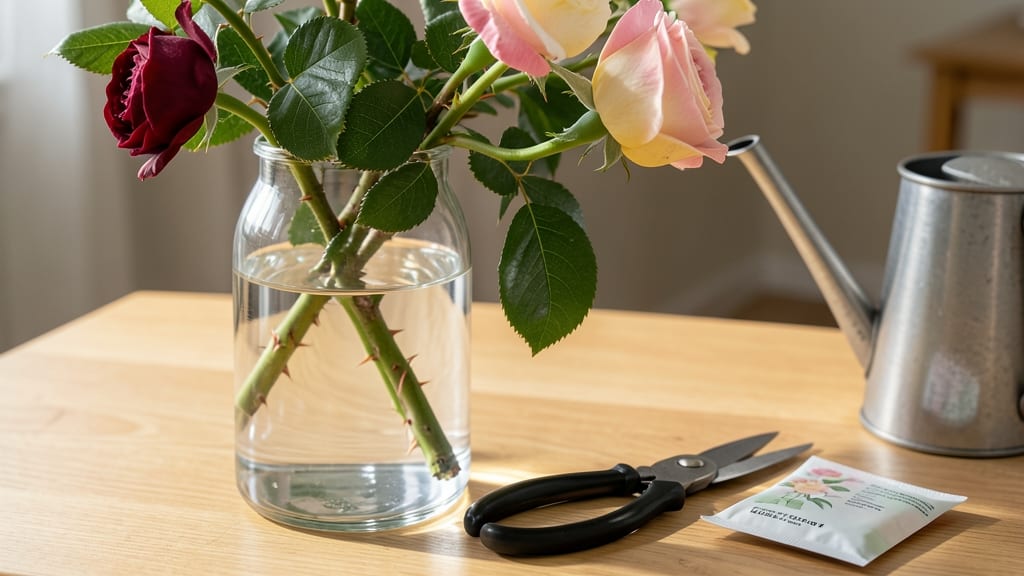
Those tightly budded roses you brought home could be getting them to open in a vase in days. 🌹 The secret isn't magic—it's science. I've rescued dozens of stubborn rose stems by mastering just three simple tricks that force buds to open faster and last longer in your vase.
Most people overlook the cutting technique that makes all the difference. A clean, angled slice just above a leaf node (about 2 inches from the base) lets water climb the stem properly.
Combine that with room-temperature water and a drop of bleach or vinegar, and you'll see buds swelling within 24 hours. The right vase isn't about size—it's about keeping stems submerged and water fresh.
You'll end up with roses that unfurl dramatically, revealing their full color and fragrance. The petals stay vibrant for 5-7 days instead of wilting after 24 hours, and you'll finally get the vase display you imagined when you bought them.
This works for all rose types—hybrids, floribundas, even those tricky spray roses. The same principles apply whether you're arranging for a special occasion or just brightening up your kitchen table.
📚 In This Guide
- What you need
- Instructions
- Tips and common mistakes
- Wrapping up and next steps
What you need
- ● Fresh-cut roses: 3–10 stems (depending on vase size), with stems at least 12–18 inches long.
- ● Clean vase or container: Glass, ceramic, or even a repurposed jar (ensure it’s spotless—no soap residue!).
- ● Sharp floral shears or scissors: Never use kitchen knives—dull blades crush stems, blocking water flow.
- ● Lukewarm water: 1–2 cups (fill the vase halfway to avoid stem rot).
- ● Commercial floral preservative: 1 packet (or 1–2 teaspoons of sugar + 1/4 tsp bleach as a DIY alternative).
- ● Aluminum foil or plastic wrap: Wrap stems loosely to prevent air bubbles.
- ● Hydrogen peroxide (3% solution): 1–2 drops to keep water fresh and prevent bacteria.
- ● Aspirin or ibuprofen: Crush 1 tablet into the water to slow bacterial growth.
- ● Floral food sticks: Dissolve 1 stick in warm water for extra nutrition.
- ● Tweezers or needle-nose pliers: For trimming stubborn stems or removing thorns.
Step-by-Step instructions for reviving buds and extending rose bloom life
Here’s the fast method I use to coax tightly budded roses into full bloom and keep them vibrant for days.
💧 Step 1: Trim Stems and Condition Water
Start by recutting stems at a 45-degree angle just above a leaf node—this creates more surface area for water uptake. I use sharp pruners to avoid crushing the stem, which blocks water flow. Place stems immediately in lukewarm water (never cold) for 10-15 minutes to open the stem’s vascular system.
This step is critical: roses often arrive with sealed stems that resist water absorption. The warm water shock primes the stem to drink eagerly. If you’re working with store-bought roses, strip lower leaves that would sit underwater—they rot quickly and foul the water.
✂️ Step 2: Apply Flower Food and Hydrate Deeply
Fill your vase with room-temperature water (cold water shocks the stems) and add 1 packet of commercial rose preservative or a DIY mix of 1 teaspoon sugar + 1 teaspoon bleach (for bacteria control). Submerge stems 6-8 inches deep—deeper immersion prevents air bubbles from blocking water flow.
Here’s the thing—most people underfill vases. The deeper the water, the longer the stems stay hydrated. Watch for water level dropping below 4 inches after 24 hours; refill immediately. A dry stem above water acts like a straw, pulling air instead of water.
☀️ Step 3: Create Ideal Display Conditions
Place the vase in bright, indirect light—direct sun accelerates wilting by drying petals too quickly. I keep mine on a counter near a window but not in full afternoon glare. Maintain room temperature (65-75°F); avoid drafts, heating vents, or air conditioning currents, which stress the blooms.
Mist the buds lightly once daily with room-temperature water. This mimics natural humidity and helps petals unfurl gradually. You’ll see buds begin to swell within 6-12 hours—that’s your signal the treatment is working. If buds stay tight after 24 hours, recut stems again and refresh the water.
🌿 Step 4: Refresh Water and Monitor Daily
Change the water every 2-3 days, even if it doesn’t look dirty. Bacteria multiply invisibly, clogging stems faster than you’d expect. I add a fresh preservative packet each time—this keeps the water crystal clear and stems drinking efficiently.
Watch for yellowing leaves or drooping buds—these are early signs of bacterial blockage. If you see dark, slimy water, flush the vase immediately with hot, soapy water and rinse thoroughly. A quick stem recut and fresh water often revives even wilted roses.
⏰ Step 5: Speed Up Opening with Strategic Tricks
For roses that still resist, place the vase in a paper bag overnight to trap humidity. The buds will absorb moisture from the air and plump up faster. Remove the bag in the morning—you’ll see dramatic swelling within hours. I also swear by a 10-minute hot water dip (120°F) for stubborn stems, but test on one bloom first to avoid scorching.
Real talk: some varieties (like hybrid teas) open faster than others. If your roses still look tight after 48 hours, they may be past their prime. But with this method, you’ll typically see full blooms within 12-36 hours—and they’ll last 5-7 days longer than store-bought norms.
Tips & tricks for reviving vase roses
Here’s what nobody tells you about turning those stubborn buds into full-blown blooms—without the guesswork.
Angle Matters More Than You Think: When you cut those stems at a 45-degree angle in Step 1, you’re not just making a pretty cut—you’re creating a larger surface area for water uptake. I’ve seen roses that drank up water immediately after this step, while others with straight cuts barely absorbed anything. If you don’t have floral shears, a sharp kitchen knife works, but make that angle precise. The goal is to expose fresh tissue that hasn’t been damaged by the original cut at the farm.
Warm Water is Your Secret Weapon: The instructions call for lukewarm water, and for good reason—it’s the Goldilocks zone for opening buds. Too cold and the stems go into shock; too hot and you’ll scald them. Test the temperature by dripping a few drops on your wrist—it should feel pleasantly warm, like a bath. Pro tip: If your tap water runs cold, let it sit in the vase for 10 minutes before adding stems. This small adjustment can make the difference between buds that open in 6 hours versus 12.
Bubbles Are the Enemy: In Step 1, if you see bubbles forming in the vase after placing the stems, don’t ignore them! Those bubbles block water from reaching the stem’s vascular system. Recut the stems underwater—yes, literally place the vase in the sink and trim again—then watch as the water rises smoothly into the stems. This underwater trim is the single most overlooked step that can extend vase life by days. I’ve revived roses that were about to give up just by doing this one thing.
Humidity Hack for Stubborn Buds: If you’re dealing with particularly tight buds that refuse to unfurl after 24 hours, the shower trick in Step 3 is your best friend. Place the vase in the shower with warm water running over the blooms for 5-10 minutes. The steam creates a greenhouse effect that mimics tropical conditions where many roses originate. Just be gentle—no blasting with high pressure! This method has saved more than a few near-dead arrangements in my kitchen.
Pro Tips for Get Roses To Open In A Vase
- Here’s what nobody tells you about turning those stubborn buds into full-blown blooms—without the guesswork.
- Angle Matters More Than You Think: When you cut those stems at a 45-degree angle in Step 1, you’re not just making a ...
- Warm Water is Your Secret Weapon: The instructions call for lukewarm water, and for good reason—it’s the Goldilocks z...
Frequently asked questions
Got questions about keeping your roses fresh and blooming in a vase? You’re not alone! Here are some of the most common queries—and their easy solutions—to help you extend the life of your floral masterpiece.
Why won’t my roses open after cutting them?
Roses often arrive partially closed to preserve their longevity during shipping. To encourage blooming, trim the stems at an angle under water, remove leaves submerged in the vase, and place them in a warm spot (like a sunny windowsill). Within 24–48 hours, they should start unfurling!
How long does it take for roses to fully open in a vase?
Most roses take 1–3 days to fully open, depending on the variety and care. Hybrid teas and grandifloras may bloom faster (1–2 days), while spray roses or garden varieties might take slightly longer. Patience is key—keep the water fresh and stems trimmed for the best results!
Can I use tap water or do I need special rose food?
Tap water works, but rose-specific floral preservatives (or even sugar + bleach—1 tsp sugar + ¼ tsp bleach per quart of water) can boost longevity. These mixtures prevent bacterial growth and provide nutrients. Avoid distilled or softened water, as they lack minerals roses need to thrive.
What’s the best temperature for keeping roses open?
Roses prefer room temperature (65–75°F). Avoid placing them near drafts, heaters, or direct sunlight, which can cause wilting. If your home gets chilly at night, move the vase to a warmer spot. Consistency is key—fluctuations stress the flowers and slow blooming.
My roses opened but are already wilting—what went wrong?
Wilting after blooming usually means bacterial buildup or dehydration. Change the water every 2–3 days, recut stems at an angle, and add fresh preservative. Also, check for ethylene gas (from fruit or ripening veggies nearby), which accelerates aging. Keep roses away from these sources!
Wrapping up and next steps
With these simple yet effective tricks, you can transform wilted roses into vibrant, fully bloomed centerpieces that last longer than ever! 🌹 The secret lies in proper hydration, fresh cuts, and a little TLC—no magic required.
Now that you’re armed with the know-how, grab a vase, snip those stems, and enjoy the beauty of roses at their best. Ready to try? Experiment with different techniques and watch your bouquet flourish!