
Pests
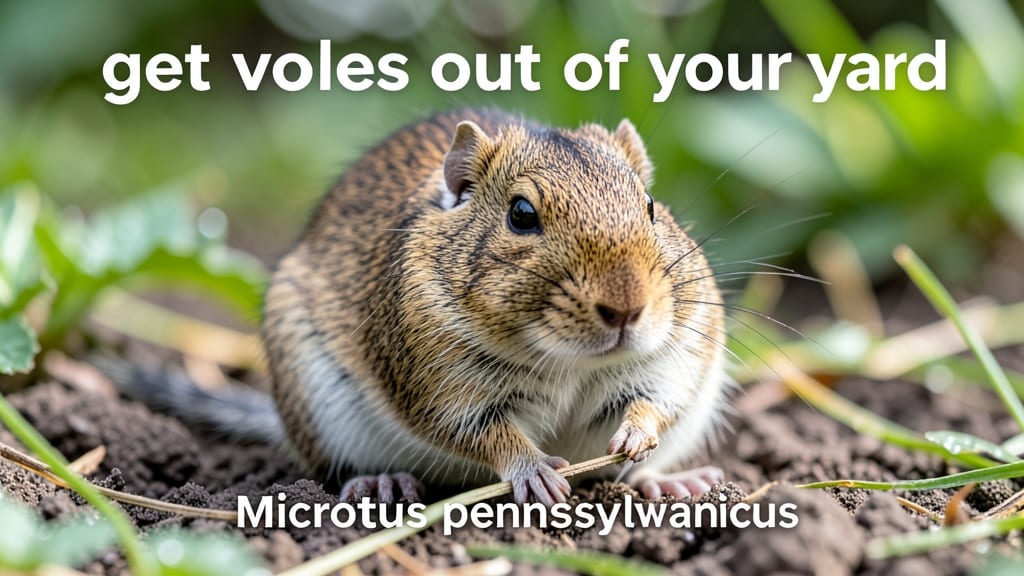
How to get voles out of your yard—the sneaky garden saboteurs you never see until they’ve shredded your plants. 🌱 I’ve battled them for years—until I learned the right mix of traps, repellents, and yard tweaks that actually work without harming other wildlife. The key? Targeting their tunnels, food sources, and hiding spots with precision.
Most solutions fail because they’re either too gentle (voles ignore them) or too harsh (they kill everything else). My method combines humane traps that catch voles alive, natural repellents they can’t stand, and simple yard changes that make your space less inviting.
No chemicals, no cruelty—just results that protect your garden long-term.
By the end, you’ll know exactly where they’re nesting, how to lure them out, and how to keep them from returning. The best part? These techniques work in any yard size, from small flower beds to sprawling vegetable gardens. No more waking up to chewed stems or vanished seedlings.
Ready to reclaim your garden? We’ll start with the signs you’ve got voles (they’re sneakier than you think), then move to the tools and steps that actually stop them. No guesswork—just proven strategies from a fellow gardener who’s been there.
📚 In This Guide
- What you need
- Instructions
- Tips and common mistakes
- Wrapping up and next steps
What you need
- ● Humane vole traps: 3–5 live traps (e.g., Havahart or Tomahawk traps). Opt for wire mesh or plastic traps with 16–18" entry tunnels.
- ● Bait: 1 lb rolled oats or sunflower seeds (voles love these!)
- ● 1 small apple or carrot (cut into chunks for extra appeal).
- ● Gloves: 1 pair thick leather or rubber gloves (voles can bite if stressed!).
- ● Shovel or trowel: For digging 12–18" deep holes near vole runways or tunnel entrances.
- ● Heavy-duty trash bags: 2–3 13-gallon bags (for relocating voles—check local laws first!).
- ● Repellent granules: 1–2 lbs of castor bean-based repellent (e.g., Hot Pepper Wax or VoleOut).
- ● Spray bottle: 16 oz vinegar-water mix (50/50) or peppermint oil spray (10 drops oil + 1 cup water).
- ● Stakes or flags: 10–15 bright orange or red flags (to mark trap locations and warn pets/kids).
- ● Ultrasonic repellent: 1 battery-operated device (e.g., Neatmaster) for larger yards.
- ● Predator urine: 1 bottle of fox or coyote urine (voles fear it—use sparingly!).
- ● Wire mesh: 1 roll of 1/4" hardware cloth (to block burrow entrances temporarily).
- ● Camera trap: 1 motion-activated trail camera (to confirm vole activity before trapping).
- ● Pet-safe markers: Chalk or spray paint to mark trap areas (avoid toxic chemicals!).
Tips & tricks for effective vole removal
Real talk: Voles are persistent, so a few strategic moves make all the difference. Here's what I've learned from years of dealing with these sneaky critters in my own yard.
Trapping Strategy: When placing bucket traps in Step 2, position them slightly off the runway center—about 6 inches away. Voles tend to follow the edges of paths, so this increases your chances of catching them. I also place a small piece of cardboard under the ramp to absorb moisture, which keeps the trap working better in damp conditions.
Repellent Application: For the castor oil mix in Step 3, I add a few drops of garlic powder to the spray bottle—it doesn't affect the vole-repelling properties but adds an extra layer of scent confusion. When applying, focus on the edges of your yard and along fences where voles travel most. The key is consistency: treat the same areas every 2-3 weeks without fail.
Barrier Installation: In Step 4, when installing hardware cloth, overlap the edges by at least 6 inches to prevent gaps where voles could dig underneath. I also recommend burying the barrier 2 inches deeper than the 6-inch minimum—this stops voles from tunneling underneath completely. For compost bins, add a 1-inch mesh lid to keep them out even if they dig near the base.
Seasonal Adjustments: If you're dealing with voles in fall (as mentioned in Step 5), extend your monitoring period to 8-10 weeks. Voles become more active preparing for winter, and they'll often move to new areas if their usual paths are disrupted. I set out extra traps during this time and check them every 12 hours rather than 24.
Pro Tips for Get Voles Out Of Your Yard
- Real talk: Voles are persistent, so a few strategic moves make all the difference.
- Trapping Strategy: When placing bucket traps in Step 2, position them slightly off the runway center—about 6 inches away.
- Repellent Application: For the castor oil mix in Step 3, I add a few drops of garlic powder to the spray bottle—it doesn't affect the vole-repelling properties but adds an extra layer of scent confusion.
Frequently asked questions
Got more questions about dealing with voles? Here are some common ones—and their answers—to help you tackle this pesky problem like a pro.
What’s the best time of year to deal with voles in my yard?
The ideal time to address vole issues is late winter or early spring (February–April), when they’re most active before breeding season. However, if they’re already causing damage, act immediately! Focus on repellents or traps during cooler months (voles avoid extreme heat).
Are humane vole traps cruel or ineffective?
Not at all! Humane traps (like live traps or catch-and-release setups) are highly effective when used correctly. They minimize harm while giving you a chance to relocate voles far from your yard. Just check traps frequently (every 2–3 hours) to avoid stress or injury. Pro tip: Use peanut butter or oats as bait—they love it!
What’s a budget-friendly way to repel voles without traps?
Try these affordable, natural repellents:
- Castor oil-based sprays ($10–$15): Mix with water and spray around entry points.
- Predator urine ($15–$25 for a bottle): Mimics foxes or coyotes—voles avoid it!
- Diatomaceous earth ($10): Sprinkle lightly near tunnels (reapply after rain).
- Plant marigolds or daffodils: Their scent deters voles naturally.
Reapply every 2–4 weeks for best results.
My traps aren’t catching voles—what am I doing wrong?
Check these common mistakes:
- Wrong bait: Try apples, sunflower seeds, or rolled oats instead of bread.
- Poor placement: Set traps along runways (look for chewed plants or tiny holes).
- Traps not triggered: Test with a stick to ensure the mechanism works.
- Weather issues: Voles avoid traps in direct sunlight or heavy rain—use shade covers.
If still no luck, try repellents or habitat changes as a backup.
Will voles come back after I remove them?
Yes, but you can reduce recurrence with these steps:
Stay vigilant—consistency is key!
Wrapping up and next steps
You’ve got the tools, the know-how, and the patience to tackle those pesky voles—and that’s half the battle! 🎉 By combining humane traps, natural repellents, and proactive yard maintenance, you’re not just chasing them away; you’re creating a vole-free haven for good.
Start small, stay consistent, and soon your garden will thrive without unwanted guests.
Ready to take action? Pick one method today—set a trap, sprinkle some peppermint oil, or reinforce those barriers—and watch your yard reclaim its space. You’ve got this! 🚀