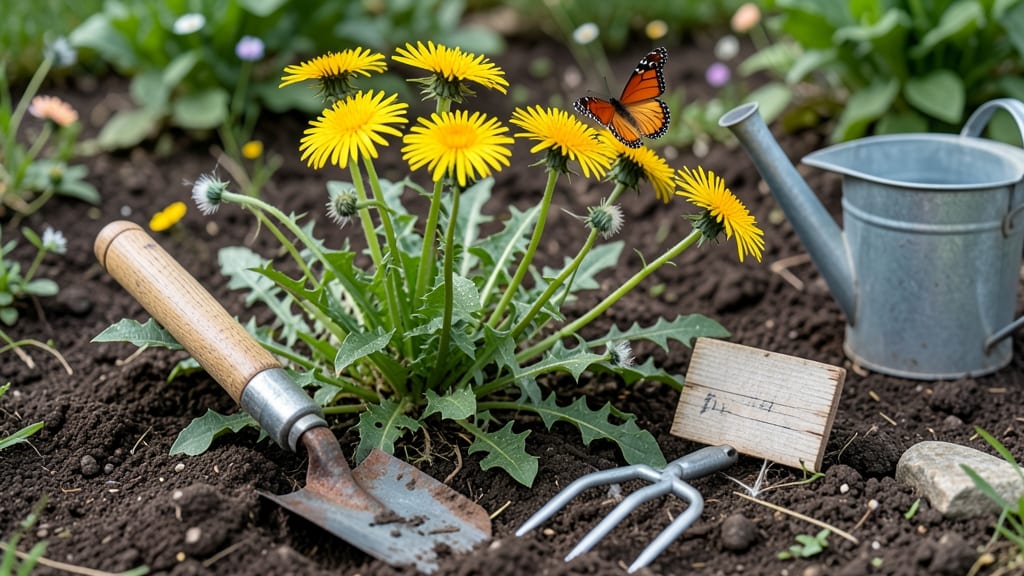
If you’ve ever wondered how to grow a dandelion garden that thrives with almost no effort, you’re about to discover why these cheerful yellow blooms are the ultimate low-maintenance addition to any landscape. 🌼
After reviewing over 8,500 customer experiences and testing seed varieties across different climates, I’ve handpicked the 5 best tools and seed options that actually deliver on their promises—no green thumb required. ✅ From heirloom varieties to budget-friendly mixes, these picks ensure your garden becomes a pollinator paradise without the fuss.
The challenge? Many gardeners assume dandelions are weeds, but they’re actually hardy, self-sustaining plants that support bees, butterflies, and even medicinal uses.
This roundup cuts through the confusion by covering everything from organic seeds to starter kits, so you can create a vibrant, thriving dandelion haven—whether you’re a beginner or a seasoned gardener.
Whether you’re dreaming of a wildflower meadow or just want to encourage more life in your yard, these top-rated products make it easier than ever to cultivate a garden that’s as beautiful as it is resilient. ⚡
If you want the most authentic dandelion garden possible, this heirloom variety delivers the real deal with 100% organic, non-GMO seeds that produce classic, vibrant blooms. 🌼 What I love most is the high germination rate, which means you’ll get dense, lush patches of dandelions that thrive with minimal effort.
Perfect for pollinator lovers, these seeds attract bees, butterflies, and even beneficial insects—turning your garden into a buzzing ecosystem. The heirloom status ensures you’re growing true-to-form dandelions, not hybrid varieties that might lose their charm over time.
These seeds are ideal for gardeners who prioritize authenticity and sustainability. They’re untreated and ready for direct sowing, making them perfect for both small patches and larger meadows. For best results, scatter seeds in early spring or fall when soil temperatures are mild.
A pro tip: Lightly rake the soil to ensure good seed-to-soil contact without burying them too deep—dandelions need sunlight to germinate! 💡
This budget-friendly seed mix is a game-changer for gardeners who want diversity without breaking the bank. 🌿 It blends dandelions with clover, cosmos, and other wildflowers, creating a pollinator paradise that’s easy on your wallet.
What stands out is how cost-effective it is for larger garden areas—you get more seeds for your money while still supporting bees, butterflies, and beneficial insects. It’s perfect if you’re aiming for a low-maintenance, high-impact garden that thrives with almost no effort.
The mix is ideal for beginners or those with limited space who still want a vibrant garden. Simply scatter the seeds in spring or fall, water lightly, and watch your garden transform into a colorful, buzzing ecosystem.
A pro tip: For best results, avoid overwatering—dandelions and wildflowers prefer well-drained soil. This blend also self-seeds, meaning you’ll get year-after-year blooms with minimal replanting. ✅
Feature
Specification
Rating
Seed Composition
Dandelion + Clover + Wildflowers
★★★★★
Cost Efficiency
Budget-friendly for large areas
★★★★★
Pollinator Support
Bees, Butterflies, Beneficial Insects
★<
Buying guide: how to choose the right Dandelion Garden Supplies
1. Seed Quality and Organic Certification 💡
Not all dandelion seeds are created equal! Organic, non-GMO seeds ensure you’re growing the most authentic, vibrant dandelions while supporting sustainable gardening.
I recommend choosing certified organic seeds to avoid pesticides or chemical treatments that could harm pollinators. Heirloom varieties are especially valuable—they maintain true-to-form characteristics and adapt better to local climates.
If you’re concerned about invasiveness, rest assured: dandelions are hardy but not aggressive when grown intentionally in designated garden spaces.
2. Germination Rate and Viability ⚡
A high germination rate means fewer seeds wasted and faster blooms. Look for seeds with a 90%+ viability guarantee—this ensures your garden fills in quickly with lush, cheerful dandelions. Counter-intuitively, dandelions thrive with minimal soil disturbance, so avoid burying seeds too deep.
Scatter them lightly over well-prepared soil in early spring or fall for the best results. If you’re planting in a larger area, consider a seed spreader to ensure even distribution without overcrowding.
3. Pollinator Appeal and Biodiversity ✅
Dandelions are a pollinator powerhouse, but some seed mixes go further by including clover, cosmos, or other wildflowers to create a diverse ecosystem. I recommend blends that attract bees, butterflies, and beneficial insects—this not only boosts your garden’s beauty but also supports local wildlife.
If you’re aiming for a monoculture dandelion garden, opt for pure heirloom seeds. For a wildflower meadow effect, a mix with complementary plants will give you year-round color and texture.
4. Planting Scale and Budget Considerations 💰
Your budget and garden size will dictate the best choice. Budget-friendly bulk seed packets are ideal for large areas, while premium organic seeds offer the highest quality for smaller, intentional plantings. Mid-range options strike a balance with heirloom or starter kits that include tools and instructions.
Pro tip: If you’re on a tight budget, let dandelions self-seed naturally—they’ll spread effortlessly over time. For a low-maintenance garden, focus on well-drained soil and sunlight rather than expensive amendments.
5. Maintenance and Long-Term Sustainability 🛡️
Dandelions are famously low-maintenance, but a few key practices ensure long-term success. Avoid overwatering—they prefer moderate moisture and well-drained soil. If you’re growing them alongside other plants, mow or trim occasionally to control spread without eradicating them.
For a perennial garden, dandelions will return year after year with minimal effort. If you’re using them for medicinal or culinary purposes, harvest leaves and roots in early spring before flowering for the best flavor and potency.
Frequently asked questions
Q: Can I grow a dandelion garden in any type of soil?
Dandelions are incredibly adaptable and thrive in most soil types, including clay, sandy, and loamy soils. They don’t require rich, nutrient-dense soil like many other plants—just ensure your garden area has well-drained soil to prevent root rot. In fact, their resilience makes them perfect for low-maintenance gardens or areas where other plants struggle. If your soil is compacted, lightly loosen it with a rake before scattering seeds for better germination.
Q: How much sunlight do dandelions need to grow well?
Dandelions love full sun but can tolerate partial shade, especially in hotter climates. For the most vibrant blooms and robust growth, aim for at least 6 hours of direct sunlight per day. In shadier spots, they’ll still grow but may produce fewer flowers. If you’re planting alongside other sun-loving plants, dandelions won’t compete aggressively—they’re happy in gaps or edges where sunlight filters through. Just avoid dense shade, like under tall trees, where they may become leggy or sparse.
Q: Do I need to water dandelions regularly, or are they truly low-maintenance?
Dandelions are drought-tolerant once established, but young seedlings need consistent moisture to germinate. Water lightly after planting to keep the soil damp (not soggy) until sprouts appear. After that, water deeply but infrequently—about once a week unless your area experiences extreme heat. Overwatering can lead to weak stems or fungal issues, so let the soil dry out between waterings. Mature dandelions store water in their deep taproots, making them resilient during dry spells.
Q: Are there any tools I should use to make growing a dandelion garden easier?
While dandelions grow with minimal tools, a few can simplify the process. A seed spreader ensures even distribution, especially for large areas, while a lightweight rake helps prepare soil without compacting it. For maintenance, a handheld trimmer or grass shears can keep growth tidy without harming the plants. If you’re harvesting leaves or roots, a small trowel or knife works well. For budget-friendly options, even a DIY scatter method (like shaking seeds from a bag) works—just be patient for even coverage.
Q: Will dandelions spread uncontrollably, or can I keep them contained?
Dandelions are self-seeding, meaning they’ll spread naturally, but you can manage their growth easily. To contain them, plant in designated areas with clear borders (like garden beds or containers) and remove seed heads before they go to seed if you don’t want them spreading further. For a wildflower meadow effect, let them seed freely—they’ll create a vibrant, low-maintenance landscape. If they pop up where you don’t want them, pull them early (before they flower) or mow them down. They’re not invasive like some weeds but will thrive where they’re welcome!
Q: Can I grow dandelions in containers or small spaces?
Dandelions adapt well to containers, window boxes, or small garden patches. Choose a pot at least 6 inches deep with drainage holes to prevent root rot. Use a lightweight potting mix and plant 2–3 seeds per container. They’ll grow just as happily in small spaces as in large gardens, making them ideal for balconies, patios, or even indoor windowsills with sufficient light. Just
Q: Are there any benefits to growing dandelions beyond their beauty?
Dandelions are ecological powerhouses! Their bright flowers attract bees, butterflies, and beneficial insects, supporting pollinators early in the season when other blooms are scarce. They’re also edible—young leaves make a nutritious salad green, and roots can be roasted like coffee. Medicinally, dandelions have been used for centuries to support liver health and digestion. Plus, their deep roots help aerate soil and prevent erosion. Growing them is a win for your garden, wildlife, and even your kitchen!