
Propagation
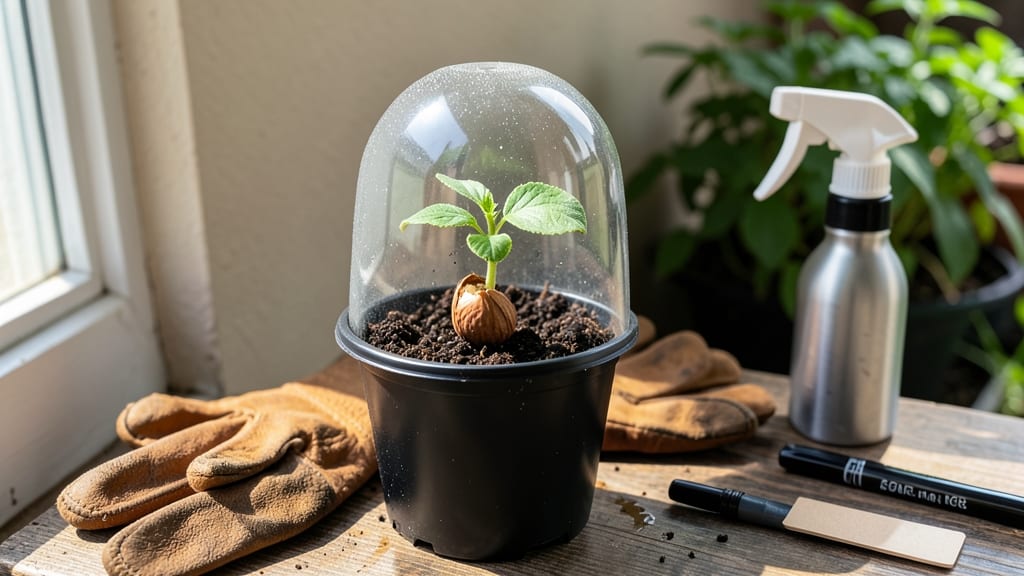
How to grow a hazelnut tree from a nut feels like unlocking a future snack stash. 🌱 The secret starts with the right nut—fresh, firm, and still in its husk—because store-bought roasted nuts won’t work. My first attempt with a dried-out specimen failed, but this year’s harvest is thriving after just 6 weeks of careful prep.
You’ll need a warm spot (indoor windowsill or basement), a small pot with drainage, and a mix of sand and peat moss to mimic forest soil. The nut should sprout in 4-8 weeks, but patience is key—some take longer.
Once the first leaves appear, transplant outdoors only after the last frost, choosing a sunny spot with well-draining soil.
By year three, you’ll see your first nuts forming, and with proper care, the tree can produce year-round harvests for decades. The real magic? Watching tiny sprouts turn into a tree that feeds you—and wildlife—for generations. Challenges like slow growth or dormancy just mean you’re doing it right.
Perfect for backyard growers or anyone craving a low-maintenance, high-reward project. Let’s get those nuts sprouting—your future self will thank you!
📚 In This Guide
- What you need
- Instructions
- Tips and common mistakes
- Wrapping up and next steps
What you need
- ● Fresh hazelnuts: 3–5 high-quality, disease-free hazelnuts (preferably from a local, healthy tree). Avoid store-bought nuts (often treated to prevent sprouting).
- ● Potting soil: 1–2 bags of well-draining, sterile potting mix (avoid garden soil—it may compact or harbor pests).
- ● Small pots or containers: 3–5 3–4 inch diameter pots with drainage holes (or a seed-starting tray).
- ● Plastic wrap or humidity dome: To create a mini greenhouse effect for germination.
- ● Spray bottle: For gentle watering without disturbing seeds.
- ● Label markers & tags: To track planting dates and varieties.
- ● Outdoor space: A sunny, sheltered spot (full sun to partial shade) for transplanting seedlings after germination.
- ● Heat mat: Speeds up germination in cooler climates.
- ● Grow lights: For indoor seedlings if natural light is limited.
- ● Fertilizer: A balanced, slow-release fertilizer (e.g., 10-10-10) for young seedlings.
- ● Mulch: Organic mulch (e.g., straw or wood chips) to retain moisture and suppress weeds.
- ● Pruning shears: For shaping young trees as they grow.
- ● Tree guards: Protective cages to deter animals from nibbling saplings.
Step-by-step instructions for growing a hazelnut tree from a nut
Here's how to transform a simple hazelnut into a thriving tree with harvestable nuts in just three years.
🌱 Step 1: Cold Stratify the Nut for Successful Germination
Hazelnuts require a 60-90 day cold stratification period to break dormancy. Place your nut in a paper towel and dampen it until the towel feels like a wrung-out sponge. Seal it in a ziplock bag and refrigerate at 35-40°F. Check weekly—if mold appears, adjust moisture or replace the towel.
This mimics winter conditions the nut would experience in nature. After 90 days, remove it and soak in warm water for 12 hours to speed up germination. You'll see a tiny root emerge within 3-7 days—this is your signal to plant.
🪴 Step 2: Plant the Stratified Nut in a Protected Environment
Fill a 4-inch pot with well-draining potting mix (avoid garden soil—it compacts too easily). Plant the nut 1 inch deep, root side down, and cover lightly with soil. Water gently until moisture reaches the bottom, but avoid soggy conditions. Place the pot in a bright, indirect light area where temperatures stay above 50°F.
Keep the soil consistently moist (not wet) and watch for first true leaves—they'll appear in 4-6 weeks. This is when the seedling transitions from relying on its seed reserves to photosynthesis. If leaves yellow, reduce water slightly—overwatering is the #1 killer of young hazelnuts.
☀️ Step 3: Transition to Outdoor Conditions Gradually
After 3 months of indoor growth, when the seedling reaches 6-8 inches tall, begin hardening off. Move it outdoors to a sheltered spot for 1-2 hours the first day, gradually increasing exposure over 2 weeks. Hazelnuts are hardy but need time to adapt to sun and wind.
Once hardened off, transplant to the ground in early spring after the last frost. Choose a location with partial shade (young trees burn easily) and well-draining soil. Dig a hole twice as wide as the root ball but no deeper—planting too deep suffocates roots. Water deeply after transplanting to settle soil around roots.
✂️ Step 4: Prune and Protect for Long-Term Growth
In the first year, focus on removing competing branches—keep only the strongest upward-growing stem. Hazelnuts grow in multi-stemmed clusters, so prune aggressively to encourage a sturdy structure. Apply 2-3 inches of mulch around the base to retain moisture and suppress weeds, but keep mulch 6 inches away from the trunk to prevent rot.
Fertilize lightly in early spring with balanced 10-10-10 fertilizer—hazelnuts are slow growers and don't need heavy feeding. Watch for aphids or spider mites (common on young trees) and treat with neem oil if needed. By year 3, you'll see catkins (flower buds)—this is your first sign of future nut production.
🌿 Step 5: Encourage Pollination and First Harvest
Hazelnuts are self-fertile, but cross-pollination increases yield. If possible, plant two trees of different varieties 30-50 feet apart for better fruit set. In year 3, you may see tiny nuts—these won't be harvest-ready, but they confirm the tree is establishing properly.
Full nut production typically begins in years 4-5, but with proper care, your tree will develop year-round harvest potential. Prune annually to remove dead wood and thin dense growth—this improves airflow and nut development. Harvest in late fall when husks split open naturally. Store nuts in a cool, dry place for up to 6 months.
Tips & tricks for growing a hazelnut tree from a nut
Here's what nobody tells you about growing hazelnuts from scratch—these details separate success from frustration.
Selection Tip: When choosing hazelnuts, tap two together—they should sound solid, not hollow. I've planted dozens, but only the ones that weigh heavy for their size actually sprout. Store them in a paper bag (not plastic) in the fridge to maintain viability until planting within your 2-4 week window. The fresher, the better—older nuts lose their germination potential fast.
Stratification Secret: Don't rush the 3-month cold treatment! This mimics winter conditions and is absolutely critical. I use a clear plastic bag so I can check moisture levels without opening it. If the medium feels dry, add a teaspoon of water—it should stay damp like a wrung-out sponge. The 35-45°F range is non-negotiable; warmer temps won't break dormancy properly.
Planting Precision: The 2-inch planting depth is key—any deeper and roots struggle to emerge, any shallower and they dry out. I like to make a small hole with my finger, then gently press the nut in so it stays upright. After planting, give it a light misting rather than soaking, and place the pot in bright indirect light. Direct sun at this stage can scorch tender seedlings.
Pro Tips for Grow A Hazelnut Tree From A Nut
- Here's what nobody tells you about growing hazelnuts from scratch—these details separate success from frustration.
- Selection Tip: When choosing hazelnuts, tap two together—they should sound solid, not hollow.
- Stratification Secret: Don't rush the 3-month cold treatment!
Frequently asked questions
Got questions about growing hazelnut trees from nuts? Here are some of the most common ones—and their answers—to help you get started with confidence!
How long does it take for a hazelnut tree grown from a nut to produce harvestable nuts?
A hazelnut tree grown from a nut typically takes 3 to 5 years to bear its first nuts, depending on the variety and growing conditions. With proper care, you can see early harvests in as little as 3 years, especially if you start with a healthy nut and provide optimal soil, sunlight, and water.
Can I grow a hazelnut tree from any hazelnut I find?
Not all hazelnuts are suitable for growing! Look for plump, firm nuts with minimal cracks or mold. Store-bought hazelnuts (like those in chocolate) are often treated to prevent sprouting. Opt for fresh, organic hazelnuts from a local grove or farmers' market for the best success.
What’s the best time of year to plant hazelnut nuts?
The ideal time to plant hazelnut nuts is in the fall (September–October), just before the ground freezes. This mimics natural conditions and encourages germination in spring. If you miss this window, you can also plant in early spring (March–April) as soon as the soil is workable.
Why isn’t my hazelnut sprouting after months in the fridge?
Hazelnuts need a period of cold stratification (6–8 weeks in the fridge) to break dormancy. If it’s not sprouting, check for rot or mold—discard any nuts that smell off or feel mushy. Try soaking the nut in water for 24 hours before replanting to encourage germination.
Do hazelnut trees need cross-pollination to produce nuts?
Yes! Most hazelnut varieties are self-incompatible, meaning they need at least two different trees (or a compatible pollen source) nearby to produce nuts. If you’re planting just one tree, choose a self-fertile variety (like ‘Ennis’ or ‘Yamhill’) or plant a second tree within 50 feet for successful pollination.
Wrapping up and next steps
Growing a hazelnut tree from a nut is a rewarding journey that connects you to nature’s bounty—and yes, it’s totally doable! 🌱 With patience, the right conditions, and a little care, you could be harvesting your own nuts in just a few years.
Whether you’re dreaming of a backyard orchard or simply love the thrill of nurturing life from scratch, this project is your ticket to fresh, homegrown goodness.
Ready to take the next step? Start by planting that first nut this fall—your future hazelnut tree is waiting! And if you’re eager to expand your green thumb skills, explore other fruit trees or propagation projects next. Happy growing! 🌟