
Size
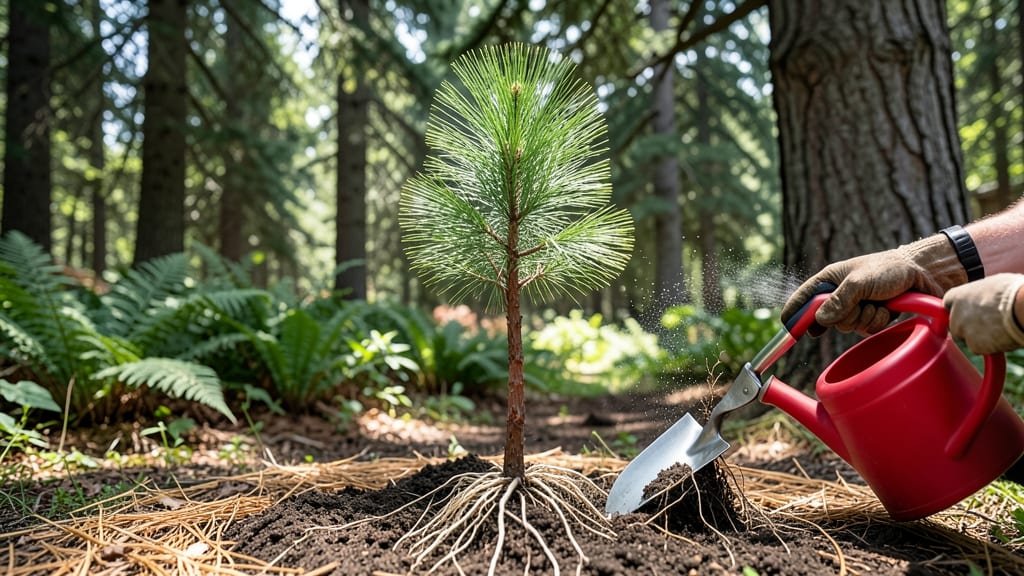
How to grow a redwood is a decade-long love letter to patience. These ancient giants—some of the tallest trees on Earth—start as delicate seedlings that need exactly the right conditions to thrive. I’ve nurtured my own from seed, and though they grow slowly, there’s nothing like watching a tiny sapling become a towering monument over time.
The key is mimicking their native coastal climate: cool summers, high humidity, and well-draining acidic soil. You’ll need a shaded outdoor space (or a greenhouse) for the first few years, as seedlings hate direct sun.
Coastal redwoods tolerate more heat than giant sequoias, but both need consistent moisture—never let the soil dry out completely. A 5-gallon pot is perfect for starting seeds, and you’ll transplant them into the ground once they’re 2-3 feet tall.
By year 10, your redwood could be 10-15 feet tall—still small, but unmistakably majestic. The real magic happens in the roots, which spread wide and deep, anchoring the tree for centuries.
Prune only to remove dead branches, and avoid heavy pruning, which stresses these slow growers. The reward? A living legacy that outlives most gardens.
Fair warning: this isn’t a quick project. But if you’re willing to commit, your redwood will one day cast shade over future generations—and that’s a garden worth waiting for.
📚 In This Guide
- What you need
- Instructions
- Tips and common mistakes
- Wrapping up and next steps
What you need
- ● Redwood seeds: 5–10 fresh, viable seeds (harvested from a mature Sequoia sempervirens or Sequoiadendron giganteum). Pro tip: 💡 Seeds lose viability quickly—plant within 3 months of collection!
- ● Seed-starting mix: 1–2 gallons of sterile, well-draining potting soil (e.g., Pro-Mix or coconut coir). Avoid garden soil—it’s too dense!
- ○ Grow trays or pots: 2–4 small containers (4–6 inches deep) with drainage holes. Optional: Seedling trays with individual cells for easier transplanting.
- ● Plastic wrap or humidity dome: To maintain moisture while seeds germinate.
- ● Spray bottle: For gentle watering (avoid drowning seeds!).
- ● Grow lights or sunny windowsill: Redwoods need bright, indirect light (12–16 hours/day). LED grow lights work best.
- ● Fertilizer: A balanced, water-soluble fertilizer (e.g., 10-10-10) diluted to half-strength. Wait until seedlings sprout!
- ● Pruning shears: Small, sharp pair for future thinning or shaping.
- ● Patience: Redwoods grow slowly—expect 10+ years for a 10-foot tree! 🐢
- ○ Climate: Coastal redwoods thrive in USDA Zones 7–9, with cool summers and high humidity. Optional: A greenhouse or indoor setup for colder climates.
- ● Space: Permanent planting site needs at least 50 feet of width (redwoods spread their roots widely!).
- ● Water source: Consistent moisture (but not soggy soil). A drip irrigation system helps!
- ● Soil test: Redwoods prefer acidic to neutral soil (pH 5.5–7.0). Amend clay soil with compost or peat moss.
Step-by-step instructions for growing a redwood tree from seed
Patience is your greatest tool—these ancient giants take a decade to mature, but the process is rewarding.
Collect and Prepare Redwood Seeds
Redwood seeds require stratification to break dormancy, a process mimicking winter's cold. Collect cones from mature trees in late fall or purchase certified seeds from a reputable supplier. Remove seeds from the cones by hand—never use heat or force, as redwood seeds are delicate. Store them in a sealed container with damp peat moss (keep it moist but not soggy) and refrigerate for 60-90 days.
Check weekly for signs of mold or excessive moisture. If you see fuzzy growth, remove the seeds immediately and restart the process with fresh peat moss. After stratification, plant the seeds within 2 weeks—delaying beyond this window reduces germination rates significantly.
Sow Seeds in a Controlled Environment
Use a sterile, well-draining seed-starting mix in 4-inch pots to accommodate the first year's root growth. Plant seeds ¼ inch deep—deeper planting slows germination as the seedling struggles to reach light. Place pots in a humidity dome or clear plastic bag to retain moisture and warmth. Keep the environment at 65-75°F for optimal germination, which typically takes 30-60 days.
Position the pots under grow lights for 12-14 hours daily to prevent leggy growth. Avoid direct sunlight until seedlings show first true leaves—this usually appears as two small, elongated leaves after the initial cotyledons. Once leaves emerge, remove the humidity dome gradually over 5-7 days to acclimate seedlings to drier conditions.
Transplant Seedlings to Larger Containers
After 6-8 months, when seedlings reach 6-8 inches tall with a sturdy stem, transplant them into 1-gallon containers filled with a mix of 50% potting soil and 50% perlite. Redwoods thrive in acidic soil, so add a handful of sphagnum peat moss to the mix. Water thoroughly after transplanting to settle the soil and eliminate air pockets around the roots.
Place the containers in a shaded outdoor area for 2 weeks to harden off the seedlings. Gradually introduce them to morning sun over 10 days, then move to partial shade. Redwoods are sensitive to heat stress, so avoid full sun until they reach 2-3 feet tall. Fertilize lightly with a balanced 10-10-10 formula every 3 months during the growing season.
Prepare for Outdoor Planting in 3-5 Years
By year three, your redwood seedlings should be 3-5 feet tall with a well-developed root system. Choose a permanent outdoor location with coastal climate conditions—redwoods require high humidity, mild temperatures, and protection from strong winds. Dig a hole twice as wide as the root ball but no deeper, and amend the native soil with compost and peat moss to improve drainage and acidity.
Transplant in early spring or fall, when temperatures are 50-65°F. Water deeply after planting and maintain consistent moisture for the first 2 months. Mulch the base with 3-4 inches of wood chips to retain soil moisture and regulate temperature. Avoid fertilizing for 6 months post-transplant to allow roots to establish without competition.
Long-Term Care for Coastal Growth
Redwoods grow 1-2 feet annually under ideal conditions, but patience is key—full maturity takes decades. Prune only to remove dead or diseased branches, as redwoods heal slowly from wounds. Water deeply once weekly during the first growing season, then taper to every 2-3 weeks once established, as redwoods are drought-tolerant once rooted.
Monitor for pests like aphids or spider mites, which thrive in dry conditions. Treat infestations with neem oil or insecticidal soap, applying in the early morning to avoid harming beneficial insects. Redwoods are slow to recover from stress, so prioritize soil health and consistent moisture. With proper care, your coastal giant will stand tall for generations.
Tips & tricks for growing coastal redwoods from seed
Growing a redwood from seed is a decade-long commitment—but these insights will help you avoid common pitfalls and maximize your success.
Seed Viability: When collecting cones in late fall, prioritize fresh, fully closed cones—they yield the highest-quality seeds. Avoid cones that have already opened naturally, as their seeds may have already germinated or dried out. I've found that cones collected from the ground rather than directly from trees often contain more viable seeds, as they've had less exposure to predators and weather. Store your collected cones in a cool, dry place until you're ready to extract the seeds.
Stratification Success: The 90-120 day cold stratification period in your refrigerator's crisper drawer at 35-40°F is non-negotiable for redwood seeds. To maximize germination rates, use a clear plastic bag so you can easily monitor moisture levels without opening it. If condensation forms inside the bag, gently shake it to redistribute moisture—this prevents clumping that can lead to mold. After the cold period, the critical 24-hour air-drying step is often overlooked, but it's essential to prevent fungal issues during planting.
Nursery Bed Preparation: The 4-week pre-sowing moisture preparation is where many growers go wrong. Instead of just watering daily, I recommend using a soil moisture meter to maintain consistent levels between 40-50%—this mimics the natural dampness redwood seedlings experience in their coastal habitat. The 2 inches of compost and 1 inch of coarse sand amendment creates the perfect texture: loose enough for roots to penetrate but with enough structure to prevent compaction. Test your soil's drainage by pouring water into a hole—if it drains in under 30 minutes, you're ready to plant.
Seedling Care Timeline: The first 8 weeks after sowing are the most critical for establishing strong root systems. During this period, I've found that using a drip irrigation system set to deliver ¼ inch of water every other day provides more consistent moisture than hand watering. When thinning seedlings to 12 inches apart, focus on keeping the strongest, most vigorous plants—these will have the best genetic potential for reaching their full height. The shade cloth should be secured tightly to prevent any direct sunlight from reaching the seedlings, which can cause leaf scorch.
Pro Tips for Grow A Redwood
- Growing a redwood from seed is a decade-long commitment—but these insights will help you avoid common pitfalls and maximize your success.
- Seed Viability: When collecting cones in late fall, prioritize fresh, fully closed cones—they yield the highest-quality seeds.
- Stratification Success: The 90-120 day cold stratification period in your refrigerator's crisper drawer at 35-40°F is non-negotiable for redwood seeds.
Frequently asked questions
Got questions about growing your own redwood? You’re not alone—these towering giants are tricky to cultivate! Here are answers to the most common queries from aspiring redwood growers.
Can I grow a redwood tree from seed at home?
Yes, but it’s a long process! Redwood seeds (cones) need cold stratification (60+ days in the fridge) before germinating. Start with high-quality seeds and use a seedling tray in a controlled environment. Patience is key—saplings take 5–10 years to reach transplant size.
How long does it take for a redwood to grow to full height?
Redwoods are slow growers—expect 3–5 feet per year in ideal conditions. A 100-foot coastal redwood could take 20–30 years to mature. For faster (but smaller) results, consider Sequoia sempervirens cultivars like ‘Pendulum’ or ‘Pygmy.’
What’s the best climate for growing redwoods?
Redwoods thrive in cool, humid climates with 60–80°F summers and mild winters (no frost below 15°F). They need consistent moisture—drought stress kills them. Coastal regions (like California or Oregon) mimic their natural habitat best. Inland growers? Use foggers or shade cloth to mimic coastal humidity.
Can I transplant a redwood sapling from a nursery?
Yes, but timing matters! Transplant 2–5-year-old saplings in early spring (before new growth). Dig a hole twice as wide as the root ball, amend soil with compost, and water deeply. Mulch heavily to retain moisture—redwood roots are sensitive to drying out. Avoid transplanting in summer heat.
Why is my redwood seedling wilting or turning yellow?
Common culprits:
- Overwatering: Redwoods hate soggy roots—ensure well-draining soil.
- Underwatering: Drooping leaves? Water daily until established.
- Pests: Check for aphids or spider mites (spray with neem oil).
- Nutrient deficiency: Yellowing? Amend soil with acidic fertilizer (pH 5.0–6.5).
Pro tip: Mist leaves daily to mimic coastal fog—wilting often signals low humidity.
Are there dwarf redwood varieties for small gardens?
If space is limited, try:
- ‘Pygmy’ redwood: Grows 3–5 feet tall in 10 years.
- ‘Blue Swede’: Compact, blue-green foliage (6–8 ft tall).
- ‘Golden Dawn’: Variegated leaves, slow-growing (great for containers).
These retain the iconic look without the 100-foot commitment!
Wrapping up and next steps
Growing a redwood from seed is a rewarding journey that blends patience, care, and a deep connection to nature’s giants. 🌲 With the right soil, sunlight, and consistent watering, you’re not just nurturing a tree—you’re cultivating a legacy.
Start small, stay committed, and in a decade, you could be standing beside your very own coastal giant!
Ready to take the next step? Plant your first seed today—your future redwood awaits! 🌱