Size
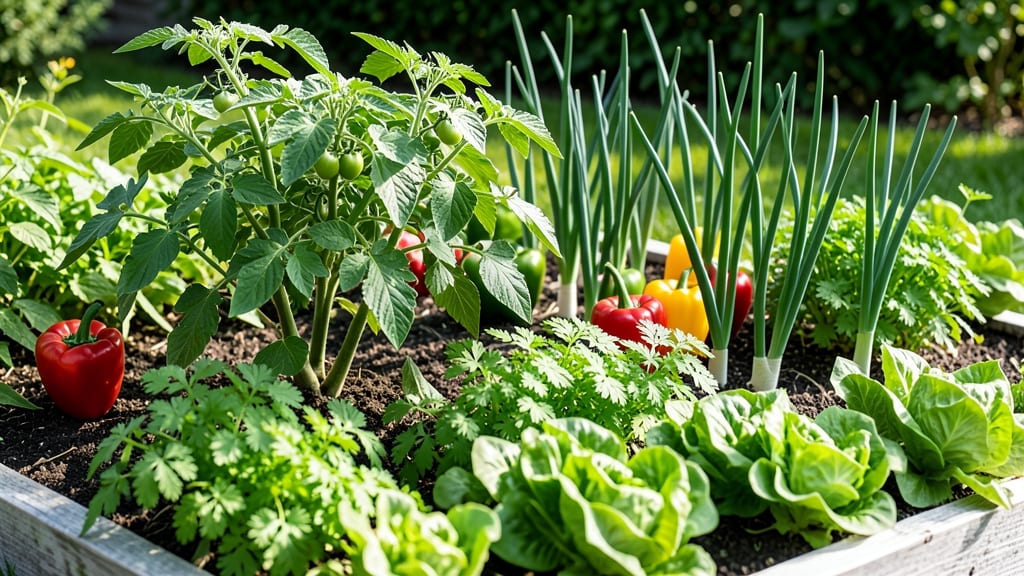
How to grow a salsa garden—there’s nothing like fresh salsa made from your own harvest. 🌿 I’ve turned a 4x6-foot patch into a spice factory every summer—no green thumb required, just smart planning and these key ingredients: tomatoes, peppers, onions, cilantro, and basil.
The secret isn’t fancy tools—it’s timing and teamwork. Start seeds indoors 4-6 weeks before last frost for peppers and basil, while tomatoes and onions go straight into warmed soil. Space plants 18-24 inches apart (except cilantro, which crowds like a city apartment) and mulch to keep moisture steady.
By 90 days, you’ll be harvesting juicy tomatoes, fiery peppers, and bright herbs that transform into salsa with zero guesswork. The right companions—like basil near tomatoes—even boost flavor while keeping pests at bay.
This works in containers too, so even balconies can join the party. Let’s get your garden growing so your salsa game becomes legendary—no store-bought shortcuts needed.
📚 In This Guide
- What you need
- Instructions
- Tips and common mistakes
- Wrapping up and next steps
What you need
- ● Seeds or seedlings: 1–2 tomato plants (e.g., Roma, San Marzano, or cherry tomatoes—3–4 plants per person for a 6-person batch)
- ● 1–2 pepper plants (e.g., jalapeño, serrano, or habanero—1–2 plants per spice level)
- ● 1 onion (yellow or red) or 1–2 green onion plants
- ● 1 bunch cilantro (or 1 plant for regrowth)
- ○ Optional but recommended: 1–2 garlic cloves (for flavor depth)
- ● Soil & containers: 5–10 gallons of well-draining potting mix (or garden soil amended with compost)
- ● Containers: 5-gallon pots or raised beds (at least 12–18 inches deep for tomatoes; 10+ inches for peppers)
- ● Sun & space: 6+ hours of direct sunlight daily (tomatoes need 8+ hours)
- ● Spacing: 18–24 inches apart for tomatoes; 12–18 inches for peppers
- ● Watering & support: Drip irrigation or watering can with a long spout
- ● Tomato cages or stakes (6+ feet tall for indeterminate varieties)
- ● Fertilizer: Balanced organic fertilizer (e.g., 10-10-10) or compost tea
- ● Mulch: Straw or shredded leaves to retain moisture
- ● Pruning shears: For trimming peppers/tomatoes
- ● pH test kit: Ideal range: 6.0–7.0 for tomatoes; 6.0–6.8 for peppers
- ● Row covers: To protect seedlings from pests
Step-by-step instructions for growing a salsa garden
Here's how to turn your sunniest patch into a vibrant salsa garden bursting with flavor.
🌱 Step 1: Select and Prepare Your Salsa Garden Layout
Choose a sun-drenched spot that gets at least 6-8 hours of direct sunlight daily. Salsa gardens thrive where tomatoes, peppers, and onions can bask together—these three are the foundation of any fresh salsa blend. I like to sketch a simple grid on paper first, marking 4-foot rows for each plant type to maximize airflow and sunlight penetration.
Test your soil's drainage by digging a 6-inch hole and filling it with water. If it drains within 30 minutes, your soil is ready. If not, amend with 2-3 inches of compost and a handful of coarse sand to improve aeration. This prevents root rot, which can devastate your plants before they even set fruit.
🌿 Step 2: Plant Your Core Ingredients
Start with 4 tomato plants (choose a mix of Roma for texture and a vine variety like Early Girl for sweetness). Plant them 18-24 inches apart in a sunny corner of your garden. Next, add 3-4 pepper plants (jalapeños, serranos, or poblano) spaced 12-18 inches apart—they love the same conditions but need slightly less space. Finally, tuck in 2-3 onion sets or green onion plants around the edges; they’re shallow-rooted and won’t compete for space.
Dig holes twice as wide as the root ball and just as deep. Gently loosen the roots before placing each plant in the hole, then backfill with soil, pressing lightly to eliminate air pockets. Water deeply right after planting to settle the soil and encourage root contact. Mulch with 2-3 inches of straw or shredded leaves to retain moisture and suppress weeds—this is especially critical in the first 3-4 weeks while roots establish.
☀️ Step 3: Maintain Sun, Water, and Soil Health
Water deeply 2-3 times per week, aiming for 1-1.5 inches of water per week. You’ll know you’ve got it right when the top 2 inches of soil feel damp but not soggy. Early morning watering prevents fungal diseases like blight, which can turn your tomato leaves to mush overnight. I set a rain gauge nearby to track moisture—it’s the simplest way to avoid over- or under-watering.
Fertilize every 4-6 weeks with a balanced organic fertilizer (like 5-5-5) to keep your plants vigorous. Tomatoes and peppers are heavy feeders, so don’t skimp. You’ll see the difference when your plants produce dark green leaves and strong stems. Watch for pests like aphids or tomato hornworms—handpick them early, or they’ll strip your plants bare in days.
✂️ Step 4: Harvest at Peak Flavor for the Best Salsa
Start harvesting 8-10 weeks after planting, when tomatoes are firm, deep red, and slightly soft to the touch. Pick peppers when they’ve reached their mature color (green, red, or whatever variety you chose) and feel plump but not mushy. Green onions are ready when their bulbs are 6-8 inches tall and the tops are lush. Harvest in the morning after dew has dried—this ensures the freshest flavor and longest shelf life.
Don’t let ripe tomatoes linger on the vine. Overripe fruit splits easily and attracts pests. Instead, pick them regularly and store them in a cool, dry place (like a pantry) for up to 2 weeks. When you’re ready to make salsa, chop everything finely—tomatoes, peppers, onions, and fresh cilantro—and let the flavors meld for at least 30 minutes before cooking. This is where the magic happens!
Tips & tricks for perfect salsa garden growth
Common pitfalls—and how to sidestep every one when growing your own fresh salsa ingredients.
Sunlight Strategy: That 6-8 hours of sunlight is non-negotiable, but here's the secret: if your garden gets intense afternoon sun, consider adding shade cloth (30-50% coverage) during peak hours (12-3 PM) to prevent leaf scorch on tomatoes and peppers. I've seen plants wilt dramatically in direct afternoon heat—this simple tweak keeps them thriving.
Soil Test Tip: The 30-minute drainage test is crucial, but don't stop there. After amending with compost, mix in a handful of lime if your soil tests acidic (below pH 6.5). Tomatoes and peppers prefer slightly acidic to neutral soil (6.2-6.8), and this small adjustment prevents blossom-end rot in tomatoes and stunted growth in peppers. I test my soil annually—it's the difference between a struggling garden and one bursting with flavor.
Plant Spacing Secret: Those 18-24 inch spacing guidelines for tomatoes might feel generous, but trust me—it's worth it. Crowded tomato plants develop more fungal diseases and produce smaller fruit. If space is tight, opt for bush varieties like 'Patio' or 'Tiny Tim' tomatoes that stay compact while still yielding plenty for salsa. I've seen gardeners cram plants too close, only to watch their harvest suffer.
Watering Wisdom: The 1-1.5 inches per week guideline works, but timing matters more than quantity. Water deeply in the morning so foliage has all day to dry—this prevents fungal diseases like early blight that thrive in damp leaves. I set a timer for my drip irrigation system at 6 AM, and my plants stay healthier through the growing season. Even distribution is key: uneven watering causes peppers to split and tomatoes to crack.
Pro Tips for Grow A Salsa Garden
- Common pitfalls—and how to sidestep every one when growing your own fresh salsa ingredients.
- Sunlight Strategy: That 6-8 hours of sunlight is non-negotiable, but here's the secret: if your garden gets intense a...
- Soil Test Tip: The 30-minute drainage test is crucial, but don't stop there. After amending with compost, mix in a ha...
Frequently asked questions
Got questions about turning your sunny patch into a salsa garden? You’re not alone! Here are answers to the most common queries—from first-timers to seasoned green thumbs.
Can I grow a salsa garden in containers or small spaces?
Many salsa ingredients—like peppers, tomatoes, and herbs—thrive in containers. Choose compact varieties (e.g., Roma tomatoes or jalapeño peppers) and ensure pots have drainage. A balcony or patio can easily yield enough for 4–6 jars of salsa if you plan right.
How long does it take to harvest enough for homemade salsa?
With the right timing, you can harvest key ingredients in 60–90 days. Fast-growing peppers (like serranos) mature in ~70 days, while tomatoes take 70–85 days. Start seeds indoors 6–8 weeks before your last frost, or buy transplants for a quicker harvest. Plan for 2–3 harvests to stockpile ingredients!
What’s the trickiest part of growing peppers for salsa?
Peppers need consistent warmth (70°F+) and well-draining soil to avoid blossom-end rot. If your climate cools, extend the season with row covers or grow heat-loving varieties like habaneros or cayenne. Overwatering is another pitfall—let soil dry slightly between waterings to prevent mold.
Can I substitute store-bought veggies if my garden fails?
Yes! While homegrown adds freshness and flavor, you can use store-bought tomatoes, onions, and peppers in a pinch. Opt for vine-ripened tomatoes (like Roma) and fresh, firm peppers. Skip canned veggies—they lack the vibrant taste your garden can deliver. Herbs like cilantro or green onions can also be bought fresh at markets.
How do I keep pests from ruining my salsa garden?
Prevent pests with row covers, neem oil, or companion planting (e.g., basil repels mosquitoes and thrips). Watch for aphids on peppers—blast them off with water or introduce ladybugs. For tomatoes, remove fruitworms by hand or use Bt spray. Healthy plants resist pests better, so fertilize lightly and prune for airflow!
Wrapping up and next steps
Growing your own salsa garden is a delicious and rewarding journey—one that starts with a sunny patch and ends with a pantry full of vibrant, homegrown flavors! 🌿 By selecting the right peppers, herbs, and tomatoes, planning your layout, and nurturing your plants with care, you’ll have fresh ingredients ready for the best salsa in 90 days.
Whether you’re a seasoned gardener or a beginner, every bite of your homemade salsa will taste like success.
Now that you’re armed with tips and tricks, take the next step: sketch your garden layout, gather your supplies, and get those seeds in the soil! 🌱 Before you know it, you’ll be chopping, blending, and sharing your homemade salsa with pride. Happy growing!