
Size
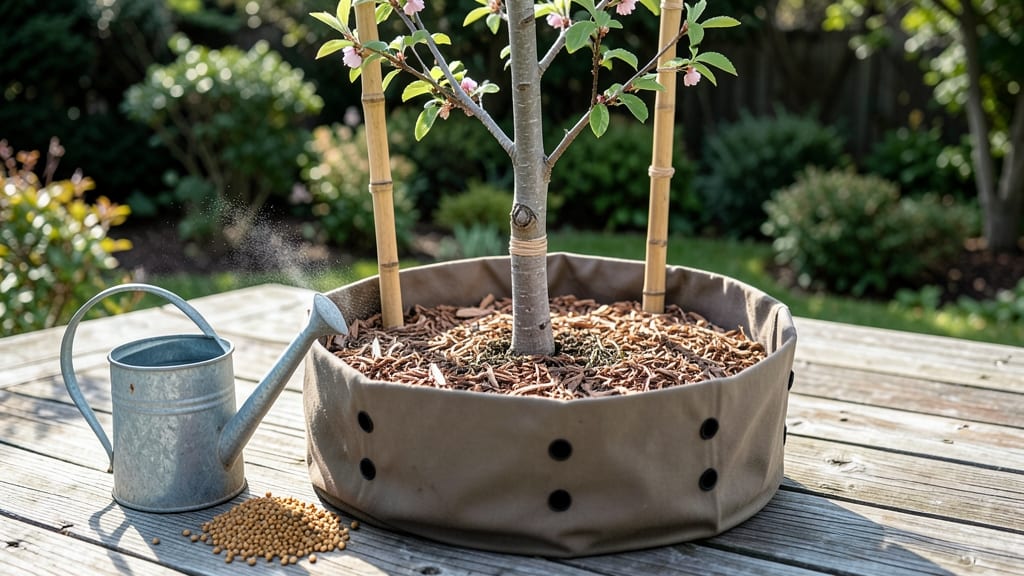
How to grow an almond tree at home isn’t just possible—it’s rewarding, even in small spaces. 🌱 I’ve nurtured dwarf varieties in my backyard, and they’ve become my most satisfying long-term project. The key? Patience and the right dwarf variety that fits your climate. You’ll need well-draining soil, full sun (at least 6-8 hours daily), and consistent watering—especially during the first two years. Most people overwater, thinking almond trees need constant moisture, but they’re actually drought-tolerant once established. Choose a cold-hardy variety if you’re in Zone 6 or colder. By year 5, you’ll see those first delicate blossoms, and by year 7, you might just harvest your own almonds. The process teaches you more about tree care than any other plant. Just be prepared for the wait—it’s worth every season of watching those branches grow stronger. Container growing works beautifully for urban gardeners. A 15-gallon pot with drainage holes gives roots room to stretch while keeping the tree manageable. Prune in late winter to shape the tree and remove dead wood, and fertilize lightly in early spring. The biggest mistake? Skipping the winter chill hours—almond trees need them to flower properly. This isn’t a quick harvest, but the journey is part of the magic. Imagine sipping fresh almond milk made from your own tree, or sharing homegrown nuts with neighbors. Start with a grafted dwarf variety like ‘Nonpareil’ or ‘Peerless’—they’re designed to stay compact while producing real fruit. Your future self will thank you for planting that first seedling.
📚 In This Guide
- What you need
- Instructions
- Tips and common mistakes
- Wrapping up and next steps
What you need
- ● Dwarf almond tree: Purchase a 1-2 year-old sapling (4-6 ft tall) from a nursery. Look for self-pollinating varieties or plant two trees for cross-pollination.
- ● Well-draining soil: Mix equal parts garden soil, compost, and coarse sand (or use cactus/succulent mix for containers). pH should be 6.0–7.5.
- ○ Container (optional but ideal for small spaces): Minimum 15-gallon pot (24" deep, 18" wide) for dwarf varieties.
- ● Drainage holes + cache pot (to prevent root rot).
- ● Sunlight: Full sun (6–8+ hours/day). South-facing windows or outdoor spots work best.
- ● Watering can or hose: With a gentle spray nozzle (almond trees hate soggy roots!).
- ● Fertilizer: Balanced 10-10-10 or 8-3-9 (spring/fall).
- ● Citrus/micro nutrient mix (for container trees).
- ● Pruning shears: Bypass pruners (sharp, clean, and sterilized with rubbing alcohol).
- ● Mulch: Wood chips or straw (2–3" layer, keep away from the trunk).
- ● Soil moisture meter (almond trees prefer dry soil—overwatering is the #1 killer!).
- ● Tree support stake (for young saplings in windy areas).
- ● Pollination spray (if growing indoors with no bees—use a soft paintbrush to transfer pollen between flowers).
- ● Pest control: Neem oil or insecticidal soap (for aphids/spider mites).
- ● Cold frame or greenhouse (if you live in USDA Zone 7 or colder—almonds need chill hours!).
Step-by-step instructions for growing almond trees at home
Here's how I've successfully grown dwarf almond trees in containers—perfect for patios or small yards.
🌱 Step 1: Select the Right Dwarf Variety and Planting Location
Choose a self-pollinating dwarf variety like 'Nonpareil' or 'Peerless' for home growing. These stay under 10 feet tall and thrive in containers or small yards. Almond trees need full sun (6-8 hours daily) and well-draining soil—they hate soggy roots. If planting in a container, pick one at least 18 inches deep and wide to accommodate root growth.
I always plant mine in spring after the last frost when soil temperatures reach 60°F or warmer. The tree's roots are sensitive to cold, so wait until nighttime temperatures stay above 50°F. If you're in a colder zone, consider growing in a large container you can move indoors during winter.
🪴 Step 2: Prepare Soil and Plant the Tree
Mix equal parts potting soil and coarse sand or perlite for containers to ensure drainage. Almond trees despise wet feet, so amend garden soil with 10-20% grit if planting outdoors. Dig a hole twice as wide as the root ball but only as deep—planting too deep suffocates the roots.
Gently remove the tree from its nursery pot and loosen any circling roots. Place it in the hole so the top of the root ball sits just below soil level—never bury the graft union (the swollen area near the base). Backfill with your amended soil mix, tamping lightly to remove air pockets. Water deeply to settle everything.
☀️ Step 3: Water and Fertilize for Healthy Growth
Water deeply once a week during the first growing season, letting the soil dry 2-3 inches deep between waterings. Overwatering is the #1 killer of young almond trees. After the first year, they become more drought-tolerant, but containers still need weekly checks—stick your finger in the soil to gauge moisture.
Fertilize spring and summer with a balanced 10-10-10 or 8-8-8 formula, applying ¼ pound per inch of trunk diameter. I use a slow-release granular fertilizer in early spring and again in late summer. Avoid high-nitrogen fertilizers—they promote leafy growth at the expense of nut production. Watch for new leaves in spring—that's your sign the tree is thriving.
✂️ Step 4: Prune and Protect for Long-Term Health
Prune in late winter or early spring before buds swell. Remove dead, crossing, or inward-growing branches to open the canopy for sunlight. Thin out 20-30% of the smallest branches to encourage stronger growth. Almond trees bloom on old wood, so avoid heavy pruning after summer—you'll cut off next year's flower buds.
Young trees need protection from late frosts (below 28°F) and pests like aphids or scale. Wrap the trunk with tree guard in winter and monitor leaves for sticky residue—aphids love almond trees. A hose blast removes most pests, but severe infestations may need neem oil spray. Harvest nuts when the hull splits open naturally—usually late summer to early fall.
⏰ Step 5: Overwintering and Year-Round Care
In USDA zones 7-9, dwarf almond trees stay outdoors year-round. In colder zones, move potted trees to a garage or unheated shed before temperatures drop below 30°F. Water sparingly in winter—just enough to keep the root ball from drying out completely. I reduce watering to once every 3-4 weeks during dormancy.
Resume normal care in early spring when buds begin to swell. This is when you'll see tiny pink flowers—a sure sign your tree is alive and healthy. Even in containers, almond trees can live 20+ years with proper care, producing pounds of nuts annually once mature. Patience is key—it takes 3-5 years for a dwarf tree to bear fruit.
Tips & tricks for perfect dwarf almond tree growth
Here's what I've learned after growing these trees for years—tricks that make all the difference for small-space success.
Sunlight Secret: Those 6-8 hours of full sun are non-negotiable, but I've found that morning sun is even more critical than afternoon. If your patio gets afternoon shade, position your container to catch the brightest morning rays. I've seen trees in containers thrive with 5 hours of morning sun plus 3 hours of afternoon—just rotate the container weekly for even exposure.
Container Size Matters: That 18-inch deep and wide container minimum is non-negotiable for the first few years. I've tried smaller pots, and the roots quickly become root-bound. For extra insurance, I add 4-6 inches of drainage material (like broken pottery) at the bottom before adding my soil mix. This prevents waterlogging, which is deadly for almond trees.
Winter Survival Strategy: When moving potted trees indoors for winter, I give them a 3-week hardening-off period before bringing them back outside in spring. Gradually increase their sun exposure over 10 days to prevent shock. Also, keep them in a cool but not freezing location (around 40-45°F)—a garage with a window works perfectly.
Fertilizer Timing: The ¼ pound per inch of trunk diameter rule is spot-on, but I've learned to split that second summer application into two ½-pound doses—one in early summer and one in mid-summer. This prevents a sudden nutrient spike that can stress the tree when it's already preparing for winter dormancy.
Pro Tips for Grow Almond Tree At Home
- Here's what I've learned after growing these trees for years—tricks that make all the difference for small-space succ...
- Sunlight Secret: Those 6-8 hours of full sun are non-negotiable, but I've found that morning sun is even more critica...
- Container Size Matters: That 18-inch deep and wide container minimum is non-negotiable for the first few years. I've ...
Frequently asked questions
Got questions about growing almond trees at home? You’re not alone! Here are some of the most common concerns—plus straightforward answers to help you succeed.
Can I grow an almond tree indoors or in a container?
Yes, but with a few tweaks! Dwarf varieties like Nonpareil or Fritz thrive in large containers (at least 15-gallon pots) with well-draining soil. Place them in full sun (6+ hours/day) and use a grow light in winter. Just remember: almond trees need cross-pollination—plant two compatible varieties or hand-pollinate with a brush. Pro tip: Keep pots near a south-facing window or balcony for best results.
How long does it take for an almond tree to bear fruit?
Patience is key! Dwarf almond trees typically take 3–5 years to produce nuts, while standard varieties may wait 5–7 years. Factors like sunlight, soil quality, and watering consistency speed up the process. Fun fact: Young trees focus on root growth first—don’t rush them!
Why aren’t my almond tree leaves turning green?
Yellow or pale leaves usually signal nutrient deficiencies (like nitrogen or iron) or overwatering. Check your soil pH (ideal: 6.0–7.5) and amend with compost or a balanced fertilizer. Quick fix: A foliar spray of chelated iron can revive chlorotic leaves in weeks. Bonus: Avoid soggy soil—almond trees hate “wet feet.”
Do almond trees need cold winters to produce nuts?
Most almond varieties do require winter chilling (300–600 hours below 45°F/7°C) to bloom and set fruit. If you live in a warm climate (like Zone 9–10), choose low-chill cultivars like Texas or Mission. For colder areas, mimic winter by storing potted trees in a garage or unheated shed during dormancy.
Can I eat nuts from homegrown almond trees?
Homegrown almonds are sweeter and fresher than store-bought, but they need proper processing. Soak raw nuts in water for 24 hours to remove bitterness, then dry and shell them. Safety note: Always wear gloves—almond tree leaves and shells contain prussic acid, which can be toxic if ingested. Tip: Harvest when hulls split open (late summer/early fall).
What’s the easiest almond tree for beginners?
Start with ‘Fritz’ or ‘Nonpareil’—both are dwarf, disease-resistant, and great for containers. Another beginner-friendly pick: ‘Peerless’, which tolerates heat and drought. Avoid ‘Butte’ unless you have space; it grows large and needs pollinators. Pro move: Buy a grafted tree from a nursery to skip the 10+ years it takes from seed!
Wrapping up and next steps
Growing your own almond tree at home is a rewarding journey that brings sweet rewards—literally! 🌱 With the right dwarf variety, proper care, and a little patience, you can enjoy fresh nuts and stunning blossoms in even the smallest spaces.
Whether you’re a beginner or a seasoned gardener, this guide has given you all the tools to succeed.
Now that you’re ready to plant, take the first step today—pick your tree, prep your soil, and watch your almond dream grow! 🌟 Happy gardening, and may your harvest be bountiful!