
Propagation
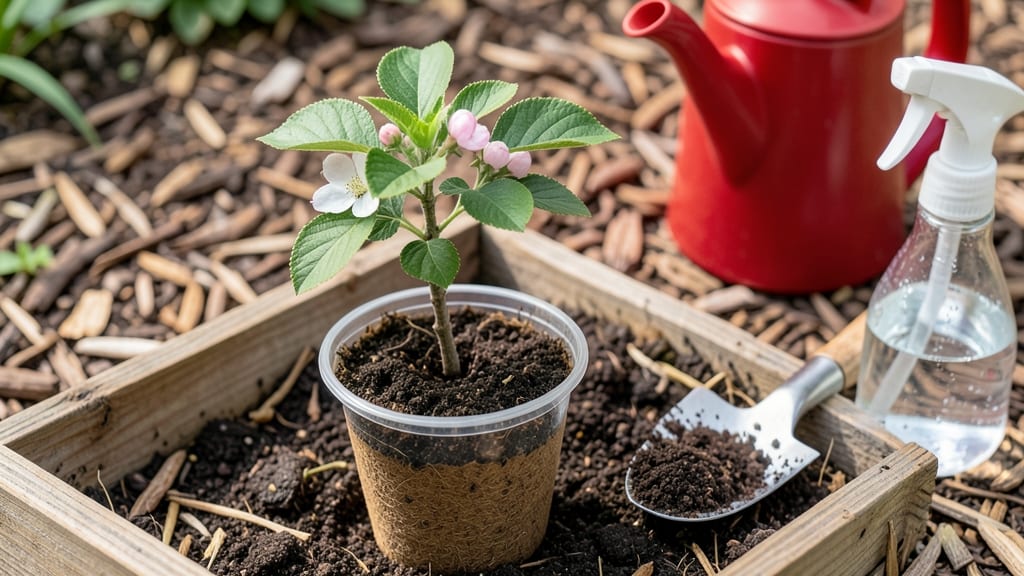
How to grow an apple tree from seeds at home—that first tiny shoot breaking through soil after months of waiting? 🌱 That’s your future apple tree starting from just a seed. Growing apples from seeds isn’t about instant fruit—it’s about patience, curiosity, and the thrill of nurturing something completely unique from a store-bought apple’s core.
The process begins with the right seeds—save them from heirloom varieties for the best chance at flavorful surprises. You’ll need a warm spot, a little soil science, and time (we’re talking 3-5 years before potential fruit).
Most people quit here, but the magic happens when those seedlings grow into sturdy young trees with their own quirks.
By summer’s end, you’ll have strong little saplings ready for transplanting. With proper care—sunlight, water, and a little winter protection—they’ll grow into trees that might just produce apples no one else in your neighborhood has ever tasted. It’s slow gardening, but the payoff is unforgettable.
Fair warning: these trees won’t be identical to their parent apples, but that’s the fun part. You’re growing something one-of-a-kind. Let’s get those seeds started right—here’s exactly how to begin.
📚 In This Guide
- What you need
- Instructions
- Tips and common mistakes
- Wrapping up and next steps
What you need
- ● Apple seeds: 3–5 fresh, viable seeds (from a ripe, organic apple if possible). Pro tip: 💡 Save seeds from heirloom or unique apples for the best results!
- ○ Small pots or containers: 3–4 (4–6 inches deep) with drainage holes. Optional: Seedling trays or biodegradable pots for easy transplanting.
- ● Potting mix: Well-draining, seed-starting mix (avoid garden soil—it’s too dense!).
- ● Watering can or spray bottle: For gentle hydration (overwatering is the enemy!).
- ● Plastic wrap or clear lid: To create a mini greenhouse effect.
- ● Grow lights or sunny windowsill: A south-facing window or LED grow lights (12–16 hours/day).
- ○ Fertilizer (optional but recommended): A balanced, water-soluble fertilizer (5-5-5 or 10-10-10) for seedlings.
- ● Tweezers or small spoon: For carefully planting tiny seeds.
- ● Labels & marker: To track seed varieties (trust us, you’ll forget!).
- ● Pruning shears: For future trimming (once your sapling grows!).
- ○ Thermometer (optional): To monitor soil temperature (ideal: 70–75°F for germination).
- ● Mulch or pebbles: To retain moisture in the pots.
Step-by-Step instructions for growing apple trees from seed
Here's how to nurture a seedling into a tree with real potential for fruit—though be patient.
🌱 Step 1: Select and Prepare the Seeds
Choose fresh, plump apple seeds from a variety you love—store-bought apples often have treated seeds that won’t sprout. Remove the seeds from the core, rinse off any pulp, and let them dry for 24 hours at room temperature. This prevents mold and rot during storage.
Place the dried seeds in a sealed container with a damp paper towel. Store them in the refrigerator for 6-8 weeks to break dormancy—a process called stratification. Check weekly to ensure the towel stays moist but not soggy. You’ll see tiny cracks in the seed coat after 4-6 weeks, signaling it’s ready to sprout.
💧 Step 2: Plant the Stratified Seeds
Fill small pots (about 3-4 inches deep) with a lightweight seed-starting mix. Press the mix down gently to create a firm surface, then plant the stratified seeds ½ inch deep, spacing them 1 inch apart. Cover lightly with additional mix, leaving no gaps for air pockets.
Water gently with a spray bottle until the soil is evenly moist but not waterlogged. Place the pots in a warm spot (around 65-75°F) with indirect light. Germination can take 2-4 weeks, so be patient—some seeds may never sprout, and that’s normal. Once you see green shoots, move the pots to a brighter location.
☀️ Step 3: Nurture Seedlings into Saplings
When seedlings reach 3-4 inches tall, transplant them into individual 5-inch pots with fresh potting mix. Handle the roots carefully—they’re delicate and can break easily. Water thoroughly after transplanting to help settle the soil around the roots.
Place the pots in a sunny window or under grow lights for 12-14 hours daily. Apple seedlings need consistent moisture, so water when the top ½ inch of soil feels dry. Avoid letting the soil dry out completely, as this can stress the young plants. Prune leggy growth by pinching back the tips to encourage bushier growth.
🪴 Step 4: Transition to Outdoor Growing Conditions
After the last frost date, harden off the seedlings by gradually exposing them to outdoor conditions. Start with 1-2 hours daily in a sheltered spot, then increase exposure over 1-2 weeks. Plant the hardened-off seedlings in a permanent location with full sun and well-draining soil.
Apple trees need space—plant them 20-25 feet apart to allow for proper growth and airflow. Mulch around the base with organic material to retain moisture and suppress weeds. Water deeply once a week, ensuring the soil stays moist but not waterlogged. It may take 5-7 years before the tree produces fruit, but the wait is worth it for a unique, homegrown apple.
⏰ Step 5: Long-Term Care for Fruit Development
Once the tree is established, focus on pruning to shape the canopy and remove dead or diseased branches. Prune in late winter or early spring before new growth begins. Thin out crowded branches to improve airflow, which reduces the risk of fungal diseases.
Fertilize in early spring with a balanced, slow-release fertilizer to support healthy growth. Monitor for pests like aphids or codling moths, and treat early if needed. With patience and care, your seed-grown apple tree may produce fruit that’s different from the parent apple—each seed carries unique genetic traits, making your harvest a true surprise.
Tips & tricks for growing apple trees from seed
These practical insights will help you navigate the patience game of nurturing apple trees from seed to fruit-bearing wonder.
Seed Selection Wisdom: The quality of your starting seeds makes all the difference. I've learned that seeds from heirloom varieties often yield more reliable trees than commercial apples—those store-bought seeds are frequently treated to prevent sprouting. If you're using seeds from a favorite apple, try planting multiple seeds since not all will produce identical trees. The genetic lottery means each seedling could develop unique characteristics, from fruit size to flavor profile.
Stratification Success: During the 6-8 week stratification period in Step 1, consistency is key. I recommend setting a weekly reminder to check your damp paper towel—it should feel like a wrung-out sponge, not a dripping washcloth. The tiny cracks you'll see after 4-6 weeks are your green light to plant. Pro tip: Use clear containers so you can visually monitor moisture levels without disturbing the seeds. This process mimics winter conditions that nature uses to break dormancy.
Light Management: Those 12-14 hours of daily light in Step 3 are non-negotiable for healthy seedlings. If your natural light falls short, supplement with a simple grow light placed 6-12 inches above the pots. I've seen seedlings stretch toward weak light sources, creating leggy, weak stems that struggle to support themselves. Rotate your pots weekly so all sides get equal exposure—this prevents lopsided growth patterns that can affect future fruit production.
Transplanting Technique: When handling those delicate roots during transplantation in Step 3, I've found that gently compressing the root ball before placing it in the new pot helps maintain root integrity. Water thoroughly after transplanting to encourage roots to spread into the fresh potting mix. Remember that apple trees have deep root systems—giving them room to establish now pays off later when they're mature trees needing space to spread their roots 20-25 feet apart.
Pro Tips for Grow Apple From Seeds At Home
- These practical insights will help you navigate the patience game of nurturing apple trees from seed to fruit-bearing...
- Seed Selection Wisdom: The quality of your starting seeds makes all the difference. I've learned that seeds from heir...
- Stratification Success: During the 6-8 week stratification period in Step 1, consistency is key. I recommend setting ...
Frequently asked questions
Growing apples from seeds is rewarding but comes with its own set of questions. Here are answers to some of the most common ones to help you along the way!
How long does it take for an apple seed to sprout?
Apple seeds typically sprout in 3 to 6 weeks after planting, depending on temperature, moisture, and seed viability. Keep the soil consistently moist and warm (around 70°F) to encourage faster germination. Patience is key—some seeds may take longer, especially if stored improperly before planting.
Will my homegrown apple tree produce fruit?
Yes, but it may take 5 to 10 years before your seedling bears fruit. Even then, the apples may not match the parent tree’s flavor or quality. Apple trees grown from seeds are often not true to type, meaning they could produce completely different varieties. For consistent fruit, consider grafting later or starting with a known cultivar.
Can I grow apples from store-bought seeds?
Store-bought apple seeds work just fine, but choose organic or untreated seeds if possible. Avoid seeds from hybrid or genetically modified apples, as they may not grow well. Rinse seeds thoroughly to remove any preservatives, then follow the same planting steps as fresh seeds.
What should I do if my seedling turns yellow or wilts?
Yellowing leaves or wilting often signal overwatering, underwatering, or pests. Check the soil moisture—it should be damp but not soggy. Inspect for aphids, spider mites, or fungal issues (like powdery mildew). Adjust care by improving drainage, trimming affected leaves, or applying neem oil if pests are present.
Can I grow apple trees indoors?
Apple trees need full sunlight (6+ hours daily) and outdoor conditions to thrive. While you can start seeds indoors under grow lights, transplanting seedlings outside is essential once they’re 6–12 inches tall. Indoor growth may stunt the tree or prevent fruiting. A sunny windowsill or greenhouse is a better short-term solution.
How do I know if my apple tree is healthy?
A healthy seedling has vibrant green leaves, sturdy stems, and steady growth. Watch for signs of stress: drooping leaves, brown spots, or slow growth. Prune dead branches early, ensure proper airflow, and fertilize lightly (like compost tea) during the growing season. Regular checks for pests or disease will keep your tree on track!
Wrapping up and next steps
Growing apples from seeds at home is a rewarding journey that blends patience, curiosity, and a touch of green-thumb magic!
While the process may take years to yield fruit, the experience of nurturing a tree from scratch—and discovering its unique flavors—is truly special. Start small, stay consistent, and embrace the adventure! Ready to take the next step? Try propagating another fruit tree or exploring grafting techniques to speed up fruiting. 🌱✨