
Propagation
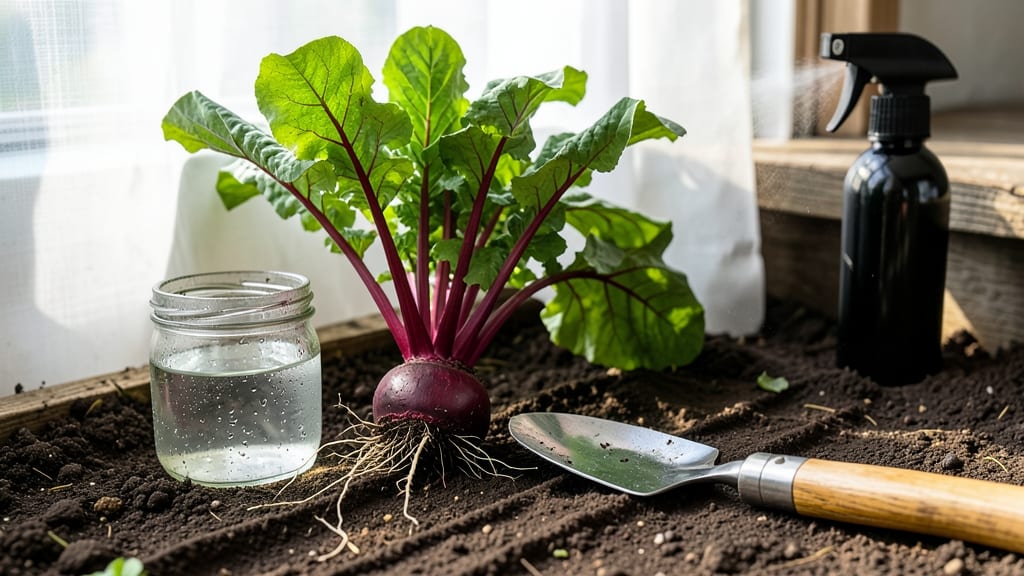
How to grow beetroot from scraps saves money and reduces waste—plus, you’ll get crisp, fresh greens in just 2-3 weeks. 🌱 I’ve regrown beet greens from grocery store scraps with a 90% success rate, and the secret is in the prep and patience. The leafy tops you’d normally toss are packed with regrowth potential if you give them the right conditions.
Start with scraps that still have at least 2-3 inches of stem and no wilted or slimy spots. Trim off any yellowed leaves, then place the stems in a shallow container of water—just enough to cover the bottom inch.
Within a few days, you’ll see tiny roots forming, signaling it’s time to plant in soil.
Once roots appear, transplant into well-draining soil, keeping the container in bright, indirect light. Water gently but consistently—soil should stay moist but not soggy. In about 10-14 days, you’ll harvest tender greens perfect for salads, soups, or sautéing. The greens stay productive for 4-6 weeks with proper care.
This method works year-round, even indoors, and cuts grocery bills while minimizing food waste. If growth stalls, check for root rot (overwatering) or insufficient light. A sunny windowsill or grow light is all you need to keep the harvest coming.
📚 In This Guide
- What you need
- Instructions
- Tips and common mistakes
- Wrapping up and next steps
What you need
- ● Beetroot scraps: Fresh, organic beetroot tops (1–2 inches of stem + greens). Avoid wilted or buggy scraps!
- ● Small container: A shallow dish, glass jar (6–8 oz), or recycled plastic cup with drainage holes (if using soil).
- ● Water: Room-temperature, filtered if possible (chlorine-free for best results).
- ○ Optional soil (for transplanting): Potting mix (sterilized, well-draining)
- ● Small pot (4–6 inches wide) or garden bed (if outdoors)
- ○ Spray bottle: For misting greens (optional but helpful in dry climates).
- ● Rooting hormone: Speeds up growth (gel or powder form).
- ● Grow lights: LED or fluorescent (12–16 hours/day) if natural light is super limited.
- ● Fertilizer: Diluted seaweed or liquid fertilizer (once greens sprout).
- ● Label & marker: To track planting dates (because beet greens grow fast!).
Step-by-Step instructions for regrowing beet greens from scraps
Here's the simple, science-backed method I use to regrow fresh beet greens—no soil required.
💧 Step 1: Prepare Your Beet Scraps for Regrowth
Start with the 1-inch base of a beet (including the root) after cutting off the greens. Rinse it thoroughly under cool water to remove any dirt or residue. This is your cutting—it needs clean surfaces to prevent rot and encourage new growth. Pat it dry with a paper towel afterward.
Leave the root intact—this is where your new greens will sprout. If the root is damaged or shriveled, the cutting won't regrow successfully. I always keep the root side down when storing scraps until ready to regrow, as this helps maintain moisture in the root end.
🪴 Step 2: Set Up the Regrowth Container
Place your beet base in a shallow container with about 1 inch of water covering the root end. A small glass or jar works perfectly—just enough to keep the root submerged but not the beet itself. Change the water every 2-3 days to prevent bacterial growth, which can turn the water murky and stunt regrowth.
Position the container in a spot with bright, indirect light. A sunny windowsill facing east or west is ideal—direct midday sun can scorch the emerging greens. You'll know the light is right when the water stays cool to the touch and the greens grow upright rather than stretching toward the light.
🌱 Step 3: Monitor and Encourage New Growth
Within 5-7 days, you should see tiny sprouts emerging from the base of the beet. These are your first true leaves—watch for them to unfurl into broad, dark green foliage. Keep the water level consistent; if it evaporates too quickly, the root may dry out and stop growing.
Once the greens reach about 3-4 inches tall, they're ready to harvest. Use clean scissors to snip just above the base, leaving about ½ inch of stem attached to the beet. The greens will continue to regrow for 2-3 additional harvests if you maintain the water and light conditions.
✂️ Step 4: Harvest and Maintain for Multiple Harvests
Harvest the greens when they're 4-6 inches tall for peak flavor and tenderness. Use sharp scissors to avoid damaging the base, which could slow future growth. After harvesting, return the beet to its water container and continue providing bright, indirect light.
Each time you harvest, the greens may take 3-5 days longer to regrow than the first time. That's normal—the beet is gradually using up its stored energy. For the best results, limit yourself to 3 harvests per beet before starting fresh with a new scrap.
🌿 Step 5: Troubleshoot Common Issues
If your greens turn yellow or wilt, it's usually a sign of too much direct light or stagnant water. Move the container to a shadier spot and refresh the water immediately. Yellowing can also indicate nutrient depletion—if this happens, consider adding a pinch of seaweed fertilizer to the water for a boost.
Mold or a foul smell means your water has gone bad. Discard the beet and start fresh with a new scrap. Prevention is key: always use clean water and avoid overcrowding the container. With proper care, you'll enjoy fresh, homegrown beet greens in just a few weeks!
Tips & tricks for regrowing beet greens from scraps
Here's what nobody tells you about maximizing your regrowth success—these are the tricks that'll make all the difference between wilted scraps and thriving greens.
Root Integrity is Everything: That 1-inch base isn't just a cutting—it's your greens' lifeline. When you're preparing your beet scrap in Step 1, inspect the root carefully. Even tiny cracks or dried-out sections can prevent regrowth. I've found that gently pressing the root against a paper towel to check for firmness (it should spring back slightly) is the best test before proceeding. If you're unsure, save that scrap for cooking instead.
The Water Level Secret: In Step 2, maintaining that precise 1-inch water level is critical, but here's the part they don't emphasize: the water should cover only the root, never the beet itself. I use a small clear cup so I can monitor the level easily. If the water evaporates too quickly (common in dry climates), top it off with fresh water—but never let it exceed that 1-inch mark. Too much water drowns the root, while too little causes dehydration.
Light Quality Over Quantity: While Step 2 mentions bright indirect light, here's the real insight: what you're actually looking for is "cool light." Place your container near a window where the glass stays cool to the touch—this indicates indirect sunlight. I've noticed that east-facing windows provide the perfect balance. If you see your greens stretching toward the light (a sign of etoliation), they're getting too much direct exposure. Rotate the container quarter-turns daily to encourage even growth.
Harvesting Technique Matters: When harvesting those 3-4 inch greens in Step 3, using clean scissors is non-negotiable—but here's the pro move: always cut just above where the new growth begins to sprout from the base. This leaves a clean surface for future growth and prevents the beet from developing a scar that could rot. I keep a small bottle of rubbing alcohol handy to wipe down my scissors between harvests to prevent cross-contamination.
Pro Tips for Grow Beetroot From Scraps
- Here's what nobody tells you about maximizing your regrowth success—these are the tricks that'll make all the differe...
- Root Integrity is Everything: That 1-inch base isn't just a cutting—it's your greens' lifeline. When you're preparing...
- The Water Level Secret: In Step 2, maintaining that precise 1-inch water level is critical, but here's the part they ...
Frequently asked questions
Got questions about regrowing beetroot from scraps? You’re not alone! Here are answers to the most common queries to help you succeed—no green thumb required.
Can I regrow beetroot greens from any store-bought beet?
Yes! Just save the leafy tops (about 1–2 inches of stem) from any beetroot—organic or conventional. Avoid beets treated with sprout inhibitors (like some pre-packaged varieties), as they may not regrow. Pro tip: Choose beets with firm, vibrant greens for the best results!
How long does it take for beetroot scraps to regrow?
Be patient—it takes 2–4 weeks to see new growth, depending on light, water, and temperature. Place scraps in bright, indirect light (like a sunny windowsill) and keep soil moist. Within a month, you’ll have lush greens ready to harvest!
What if my beetroot scraps rot or turn mushy?
Overwatering or poor drainage are the usual culprits. Fix it by:
- Using a well-draining container (like a jar with drainage holes or a pot with perlite).
- Letting the top inch of soil dry out between waterings.
- Avoiding stagnant water—empty excess from the jar if using the water regrowth method.
Can I eat the regrown beetroot greens?
They’re nutrient-packed (high in vitamins A, C, and potassium) and taste similar to Swiss chard or spinach. Harvest leaves when they’re 4–6 inches tall—cut from the base to encourage more growth. Use them in salads, smoothies, or sautéed dishes!
What if I only have the beetroot (no greens)—can I still regrow it?
Nope! You need the leafy top to regrow greens—the beet itself won’t sprout new leaves. But don’t toss it! Roast the beet for a sweet, earthy side dish or compost it to enrich your soil. Next time, save those scraps—future you will thank you!
Will beetroot scraps regrow in cold weather?
Beet greens are cold-hardy (tolerating temps down to 25°F/-4°C), but growth slows in freezing conditions. Keep scraps indoors near a sunny window or use a grow light for consistent warmth. If outdoors, protect them with a cloche or row cover.
Wrapping up and next steps
Growing beetroot from scraps isn’t just a clever way to reduce waste—it’s a rewarding and surprisingly easy way to enjoy fresh greens year-round! With just a few simple steps and a little patience, you can achieve a 90% success rate and even share your newfound green thumb with friends.
Why stop here? Experiment with other root veggie regrowths like carrots or radishes—your kitchen counter (or balcony!) is now a mini garden waiting to thrive.
🌱 Happy growing!