
Landscaping
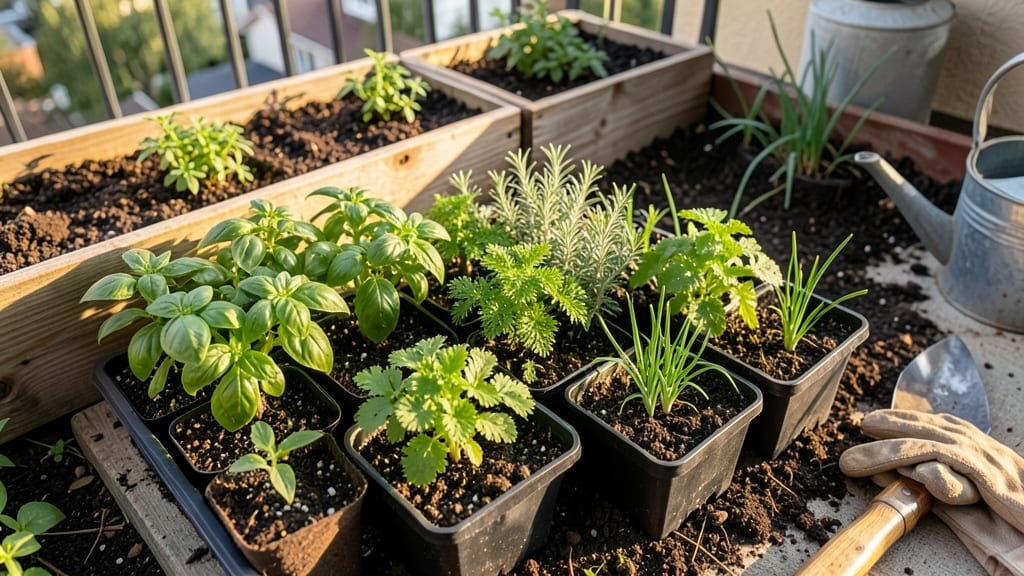
How to grow herbs in planter boxes changed how I cook—and how I garden. 🌿 The right setup turns even a tiny balcony into a fragrant, productive kitchen garden where basil, thyme, and parsley thrive year-round. No yard? No problem. This method works for city apartments, fire escapes, or sunny windowsills.
Start with the right containers: wooden boxes for classic charm, fabric grow bags for lightweight flexibility, or ceramic pots for single herbs. Size matters—most herbs need at least 6-8 inches deep, but shallow-rooted parsley can manage in 4-inch pots.
I use self-watering fabric grow bags for my mint (which spreads like crazy) and terra-cotta pots for basil because they breathe better.
Sunlight is non-negotiable—6+ hours of direct light daily is the magic number. My south-facing planter box grows rosemary and oregano that stay woody and fragrant, while the morning-sun herbs (like cilantro) bolt less quickly.
A balanced potting mix with perlite keeps roots happy, and regular pruning (pinch back stems) encourages bushier growth. Within 4-6 weeks, you’ll be snipping fresh herbs for meals.
This setup saves space, cuts grocery costs, and keeps pests away—no more wilted store-bought bundles. Whether you’re growing for cooking, cocktails, or just the joy of watching green thrive, planter boxes make it simple. Let’s get those herbs flourishing!
📚 In This Guide
- What you need
- Instructions
- Tips and common mistakes
- Wrapping up and next steps
What you need
- ● Planter box: 12"–18" deep (deeper for root veggies like rosemary), with drainage holes. Size: 12"–24" wide (or wider for multiple herbs). Material: Wood, fabric, or plastic.
- ● Potting soil: 1–2 bags (1–2 cubic feet per box) of well-draining potting mix (avoid garden soil—it compacts!). Pro tip: Mix in perlite or sand (1 part) for extra aeration! 💡
- ○ Herb seeds or seedlings: Choose sun-lovers like basil, thyme, or oregano (6–12 plants per box, spaced 6–12" apart). Optional: Buy starter plants for faster growth!
- ● Drainage layer: 1–2" of gravel, pebbles, or recycled pot shards (for bottom of box).
- ● Watering can or hose with gentle spray: 1 (avoid overhead pressure—herbs hate soggy feet!).
- ● Fertilizer: Balanced organic fertilizer (5-5-5 or 10-10-10) or compost (1 tbsp per plant, monthly).
- ● Labels: 10+ (to track varieties—trust me, parsley vs. cilantro mix-ups happen!).
- ● Self-watering kit: Adds a reservoir for drought-prone herbs like rosemary.
- ● Herb-specific fertilizer: Fish emulsion or seaweed extract for a nutrient boost.
- ● Mulch: Straw or shredded leaves (1" layer) to retain moisture.
- ● Grow lights: 1–2 LED lights (if indoor/low-light growing).
- ● Glove & small trowel: For easy planting and soil adjustments.
Step-by-step instructions for growing herbs in planter boxes
Transform your patio into a thriving herb garden with these proven techniques for container success.
🪴 Step 1: Select the Right Planter Box and Prepare the Base
Choose a wooden or plastic planter box with a depth of at least 12 inches—herbs need room for roots to establish. I recommend cedar boxes because they resist rot and naturally deter pests. Drill drainage holes in the bottom if they’re not already present, then place a 1-inch layer of gravel at the base. This prevents soil from clogging the holes and ensures excess water drains freely.
Line the bottom with landscape fabric to keep gravel in place while still allowing water to pass through. If your box sits on a deck or patio, add feet or casters to prevent water damage to surfaces. I always position mine on brick pavers for stability and airflow underneath.
🌱 Step 2: Layer Soil and Plant Herbs for Optimal Growth
Fill the box with a well-draining potting mix—never garden soil, as it compacts in containers. I blend 60% premium potting mix with 30% perlite and 10% compost for a fluffy, nutrient-rich base. Fill the box to 2 inches below the rim, leaving space for watering and mulch.
Arrange your herbs based on their sun and water needs. Place sun-loving herbs like basil, rosemary, and thyme in the center where they’ll receive the most light. Tuck moderate-light herbs like parsley and cilantro along the edges. Space plants 6-12 inches apart, depending on their mature size—crowding leads to competition and weak growth.
☀️ Step 3: Position for Sunlight and Water Consistently
Herbs thrive in 6-8 hours of direct sunlight daily, so place your planter box in a south- or west-facing spot. If your space only gets partial sun, focus on shade-tolerant varieties like mint or chives. Rotate the box quarter-turn weekly to prevent herbs from leaning toward the light—this ensures even growth and bushier plants.
Water deeply every 2-3 days, ensuring the top 2 inches of soil feel dry before the next watering. I use a soaker hose or watering can with a rose attachment to deliver moisture directly to the roots without disturbing the soil. Avoid overhead watering, which can promote fungal diseases like powdery mildew.
✂️ Step 4: Prune and Harvest for Continuous Growth
Pinch back the top sets of leaves on herbs like basil and mint to encourage bushier growth. For woody herbs like rosemary and thyme, trim back one-third of the plant in early spring to stimulate new growth. Always use clean, sharp scissors to make cuts just above a leaf node—this prevents damage and encourages branching.
Harvest leaves regularly to promote abundant regrowth. Pick in the morning after the dew has dried but before the heat of the day. For basil, I harvest the outer leaves first, leaving the inner growth intact. For herbs like cilantro, which bolt in heat, I harvest entire stems and place them in water indoors to extend their life.
🌿 Step 5: Maintain Soil Health and Prevent Pests
Add a 1-inch layer of organic mulch like straw or shredded leaves around the base of your herbs to retain moisture and suppress weeds. I top-dress with compost every 4-6 weeks during the growing season to replenish nutrients. Herbs are relatively low-maintenance, but a balanced liquid fertilizer applied every 4 weeks keeps them thriving.
Watch for common pests like aphids or spider mites, which thrive in dry conditions. I spray plants with a neem oil solution (1 tbsp neem oil per quart of water) at the first sign of trouble. For slugs, I place copper tape around the edges of the box—it creates a barrier they won’t cross.
Tips & tricks for perfect herb planter boxes
Here's what nobody tells you about growing herbs in containers that'll make all the difference between wilted disappointment and a thriving garden.
Container Depth Matters: That 12-inch minimum depth isn't arbitrary—it gives roots room to establish without becoming root-bound. I've seen herbs struggle in shallower boxes where roots circle the bottom. If you're working with a smaller container, choose slow-growing varieties like chives or thyme that won't outgrow their space as quickly.
Soil Science: The 60-30-10 mix of potting soil, perlite, and compost creates the perfect balance—drainage without drying out. Pro tip: Sift your potting mix before adding it to remove any large clumps that could create air pockets. I also add a handful of worm castings to the mix for an extra nutrient boost that herbs love.
Sunlight Strategy: Those 6-8 hours of direct sunlight are non-negotiable for most herbs, but here's the secret: Position your box so it gets morning sun (which is less intense) and afternoon shade if you're in a hot climate. This prevents leaf scorch while still providing the light herbs need. I rotate my boxes weekly to ensure even growth all around.
Watering Wisdom: The top 2 inches dry test is your best friend—stick your finger in the soil before watering to avoid overwatering, which is the #1 killer of container herbs. I've found that watering in the morning gives plants a full day to absorb moisture before evening temperatures drop, reducing stress on the plants.
Pro Tips for Grow Herbs In Planter Boxes
- Here's what nobody tells you about growing herbs in containers that'll make all the difference between wilted disappo...
- Container Depth Matters: That 12-inch minimum depth isn't arbitrary—it gives roots room to establish without becoming...
- Soil Science: The 60-30-10 mix of potting soil, perlite, and compost creates the perfect balance—drainage without dry...
Frequently asked questions
Got questions about growing herbs in planter boxes? You’re not alone! Here are some of the most common concerns—and their easy solutions.
What’s the best depth for a herb planter box?
Most herbs thrive in 6–12 inches of soil depth. Shallow-rooted herbs like basil and chives need just 6–8 inches, while deeper-rooted varieties (like rosemary or thyme) prefer 10–12 inches. Add a drainage layer (gravel or broken pottery) at the bottom to prevent soggy roots.
How long does it take for herbs to grow in planter boxes?
Fast-growing herbs like cilantro or dill may be ready in 3–4 weeks, while slower varieties (basil, oregano) take 6–8 weeks to mature. Container-grown herbs often harvest sooner than garden beds—just check their seed packet for exact timelines!
Can I grow herbs in planter boxes without direct sunlight?
Most herbs need 6+ hours of sunlight daily, but a few (like parsley or mint) tolerate partial shade. If your space is shady, opt for grow lights (12–16 hours/day) or choose low-light-tolerant varieties. South-facing windowsills or balconies work too!
How do I keep pests away from my herb planter boxes?
Prevent pests with neem oil (spray weekly), companion planting (marigolds repel bugs), and ensuring proper drainage. Remove yellowing leaves promptly, and avoid overwatering—mosquitoes and fungus gnats love damp soil.
What can I do with leftover soil after harvesting herbs?
Don’t toss it! Mix used potting soil with compost or fresh soil to revitalize it. Avoid reusing soil with visible mold or pests—sterilize by baking it at 200°F (93°C) for 30 minutes or replace it entirely for next season.
Wrapping up and next steps
Growing herbs in planter boxes is a rewarding way to bring fresh, vibrant flavors to your kitchen while enjoying the joys of gardening—no green thumb required! 🌱 With the right sunlight, soil, and care, you’ll be harvesting basil, mint, and cilantro in no time.
Start small, experiment with containers, and watch your little green oasis thrive.
Ready to dive in? Pick your favorite herbs, grab your planter box, and get growing today! Your future meals—and your neighbors—will thank you. 😊