
Propagation
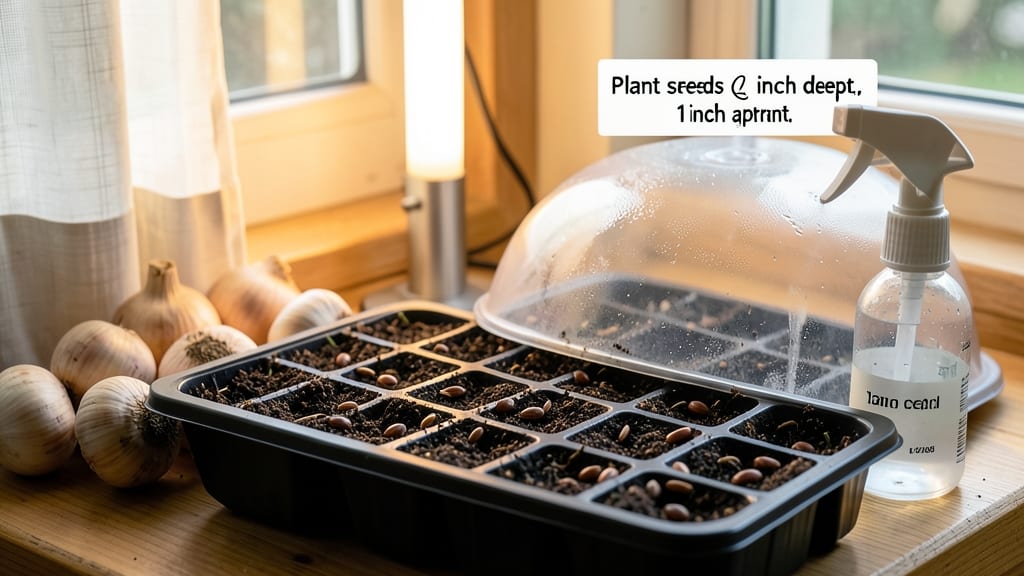
How to grow hyacinths from seeds is a year-long adventure in purple patience. 🌱 Unlike bulbs, these fragrant blooms take 3-5 years to flower—but the journey creates lush foliage and unexpected surprises along the way. I started with a single packet last spring, and now my garden overflows with grass-like clumps that'll reward me with scent in 2025.
The secret begins with well-draining soil and a sunny windowsill or greenhouse. Seeds need light to germinate, so don't bury them—just press them into barely damp soil.
A clear plastic dome keeps humidity high without drowning them. Most seedlings appear in 4-8 weeks, but some take twice as long—don't give up!
Once sprouted, these seedlings need bright light and occasional watering (never soggy). They'll grow slowly at first, forming tight clumps before sending up their first true leaves. The real magic happens in year 3, when you'll spot tiny flower buds—proof your patience paid off.
Troubleshooting tip: If germination stalls, try stratifying seeds in the fridge for 4-6 weeks first. Weak seedlings? Move them to a larger pot before transplanting outdoors. The wait is long, but the fragrant blooms make every season worth it.
📚 In This Guide
- What you need
- Instructions
- Tips and common mistakes
- Wrapping up and next steps
What you need
- ● Hyacinth seeds – Fresh or stored properly (10–20 seeds for a small batch).
- ● Seed-starting mix – Lightweight, well-draining potting soil (1–2 bags, ~1–2 cubic feet total).
- ● Small pots or seed trays – 3–4 inches deep (4–6 pots for 20 seeds).
- ● Plastic wrap or clear lid – For humidity (or a spray bottle if misting).
- ○ Grow lights or sunny windowsill – 6–8 hours of light daily (optional but helpful).
- ● Watering can or spray bottle – Fine mist setting (to avoid disturbing seeds).
- ○ Fertilizer (optional) – Balanced liquid fertilizer (5-10-5) (1 bottle for later stages).
- ● Heating mat – Speeds up germination (70–75°F).
- ● Humidity dome – Keeps moisture consistent.
- ● Labels & markers – Track planting dates.
- ● Garden gloves – For handling soil and seeds.
Step-by-Step instructions for growing hyacinth from seeds
Hyacinths from seed take time—think of this as a long-term investment in fragrant blooms.
🌱 Step 1: Collect and Prepare Fresh Hyacinth Seeds
Hyacinth seeds must come from a fresh, healthy bulb you've grown yourself or sourced from a trusted supplier. After the blooms fade, leave the seed pods on the plant until they turn brown and papery—this ensures full maturity. Once dry, gently squeeze the pod to release the flat, black seeds inside. Store them in a cool, dry place until ready to plant.
I always plant seeds immediately after harvesting because freshness directly impacts germination rates. If you can't plant right away, refrigerate them in a sealed bag with a bit of damp sand to maintain viability. The key here is patience—hyacinth seeds from seed take 2-3 years to bloom, but the reward of homegrown fragrance makes it worth the wait.
💧 Step 2: Stratify Seeds for Better Germination
Hyacinth seeds require a cold stratification period to break dormancy. Place the seeds in a small container with a mix of equal parts peat moss and perlite, then cover them with about ½ inch of the same mix. Moisten lightly—just enough to keep the mix damp but not soggy. Seal the container in a plastic bag and refrigerate for 8-12 weeks.
Check the seeds every few weeks to ensure the mix stays moist. You'll know stratification is working when tiny roots begin to emerge. This is the moment that matters: don't rush it. The cold treatment mimics winter conditions, fooling the seeds into thinking spring has arrived. Real talk: Skipping this step means waiting even longer for germination.
☀️ Step 3: Sow Stratified Seeds Indoors
After stratification, fill small pots or seed trays with a well-draining seed-starting mix. Plant the seeds ¼ inch deep, spacing them about 1 inch apart. Cover lightly with additional mix and mist gently with water until the surface is evenly moist. Place the pots in a warm, bright spot—65-70°F is ideal—but avoid direct sunlight, which can overheat the soil.
Keep the soil consistently moist but never waterlogged. You'll see the first signs of life in 4-8 weeks, when tiny green shoots push through the soil. Here's the thing—hyacinth seedlings grow slowly at first, so don't expect rapid progress. Once they reach 2-3 inches tall, you can transplant them into individual pots to give their roots more room to develop.
🌿 Step 4: Nurture Seedlings Through Their First Year
Hyacinth seedlings need patience and consistent care. Keep them in bright, indirect light and water when the top ½ inch of soil feels dry. Fertilize lightly every 4-6 weeks with a balanced, water-soluble fertilizer diluted to half strength. The goal is to encourage steady, strong growth—not rapid bulbing.
By the end of the first year, your seedlings will have developed small bulbs but won't bloom. That's normal. Overwinter them in a cool, dark place (like a garage) with just enough moisture to keep the soil from drying out completely. In their second year, they'll start to form larger bulbs and may even produce a small flower stalk—but don't expect full blooms yet. This is where the real magic happens.
⏰ Step 5: Prepare for Blooms in Year 3
By the third year, your hyacinths will be ready to reward your patience. In late winter, repot them into larger containers or plant them directly in the garden. Place them in a spot with full sun and well-draining soil. Water moderately, allowing the soil to dry out slightly between waterings. Fertilize with a bulb-specific fertilizer in early spring to encourage strong growth.
Watch for the first signs of blooming: long, slender flower stalks emerging from the center of the plant. This is the moment you've been waiting for! With proper care, your homegrown hyacinths will produce fragrant blooms in spring of year 3. Enjoy the process—growing hyacinths from seed is a journey, not a race.
Tips & tricks for growing fragrant hyacinth blooms from seed
Growing hyacinths from seed rewards those who embrace the journey—here's how to maximize your chances of success while avoiding common pitfalls.
Seed Selection Matters: The quality of your starting seeds makes all the difference. Look for seeds from mature, healthy bulbs that have produced vibrant blooms. I've found that seeds harvested from bulbs grown in full sun yield the most robust seedlings. If you're using store-bought seeds, check the packaging date—older seeds have significantly lower germination rates. For best results, use seeds within one growing season of harvest. The flat, black seeds should feel firm and plump, not shriveled or hollow-sounding when gently tapped.
Stratification Success: During the 8-12 week cold stratification period in Step 2, maintain consistent moisture without letting the mix become soggy. I recommend placing a small hole in the plastic bag to allow for minimal air circulation—this prevents mold while keeping humidity high. Place the container on a shelf in your refrigerator's crisper drawer where temperatures stay most stable around 35-40°F. The key visual cue is when tiny white roots appear—this confirms the seeds are ready for planting. Don't be tempted to rush this process; proper stratification is what breaks dormancy and ensures germination.
Lighting Strategy: In Step 3, when placing your pots in a warm, bright spot, I recommend using a grow light if your natural light is insufficient. Position the light 4-6 inches above the seedlings and provide 12-14 hours of light daily. The ideal temperature range of 65-70°F is crucial—too cool and growth stalls, too warm and seedlings become leggy. Watch for the first true leaves emerging, which signals successful germination. These leaves will be long and narrow, quite different from the later bulb foliage. Once you see these, you're on the right track!
First Year Care: The most common mistake in Step 4 is overwatering. Hyacinth seedlings are particularly sensitive to root rot, so always check the top ½ inch of soil before watering. I've found that using a moisture meter helps prevent both underwatering and overwatering. During the first year, resist the urge to fertilize heavily—these young plants need gentle nutrition to build strong roots. The small bulbs forming at the base are your progress indicator; by year's end, they should be about the size of a dime. This might not sound like much, but it's exactly what you want to see for healthy development.
Pro Tips for Grow Hyacinth From Seeds
- Growing hyacinths from seed rewards those who embrace the journey—here's how to maximize your chances of success while avoiding common pitfalls.
- Seed Selection Matters: The quality of your starting seeds makes all the difference.
- Stratification Success: During the 8-12 week cold stratification period in Step 2, maintain consistent moisture without letting the mix become soggy.
Frequently asked questions
Got questions about growing hyacinths from seeds? You’re not alone—this process takes patience and precision! Here are answers to the most common queries to help you succeed.
How long does it take for hyacinth seeds to sprout?
Hyacinth seeds can take anywhere from 4 to 12 weeks to sprout, depending on temperature, moisture, and seed freshness. Keep the soil consistently moist and maintain a warm environment (around 70–75°F) to encourage faster germination. Patience is key—some seeds may take even longer!
Can I grow hyacinths from seeds indoors?
Start seeds indoors 8–10 weeks before the last frost using small pots or seed trays. Place them near a sunny window or under grow lights (12–14 hours/day) to ensure strong seedlings. Transplant outdoors after the soil warms up—just be gentle with those delicate roots!
Why aren’t my hyacinth seeds germinating?
Seeds may fail to sprout due to old seeds, incorrect moisture, or poor soil drainage. Try these fixes:
- Soak seeds in warm water for 24 hours before planting.
- Use a well-draining mix (like 50% peat/50% perlite).
- Ensure consistent moisture without waterlogging.
- Check seed viability—some varieties lose potency after 1–2 years.
Will seeds grown from hyacinths bloom true to the parent plant?
Probably not! Hyacinths grown from seeds often produce different colors or sizes than the parent plant. For consistent blooms, propagate from bulbs instead. If you love experimenting, seed-grown hyacinths can yield fun surprises—just don’t expect identical flowers!
Can I harvest seeds from store-bought hyacinths?
Store-bought hyacinths are usually sterile hybrids and won’t produce viable seeds. To collect seeds, grow hyacinths from seed first, then let the flowers fade naturally. Once seed pods form (they’ll look like tiny green beans), dry them indoors before opening to release the seeds.
Wrapping up and next steps
Growing hyacinths from seeds is a rewarding journey that blends patience with the joy of nurturing life.
While it may take months to see those stunning blooms, every step—from sowing to transplanting—builds your green thumb and deepens your connection to nature. Celebrate your progress! Now that you’re equipped with the know-how, why not expand your garden?
Try experimenting with different seed varieties or share your new skills with fellow plant enthusiasts. Happy growing—your purple paradise awaits! 🌱✨