
Propagation
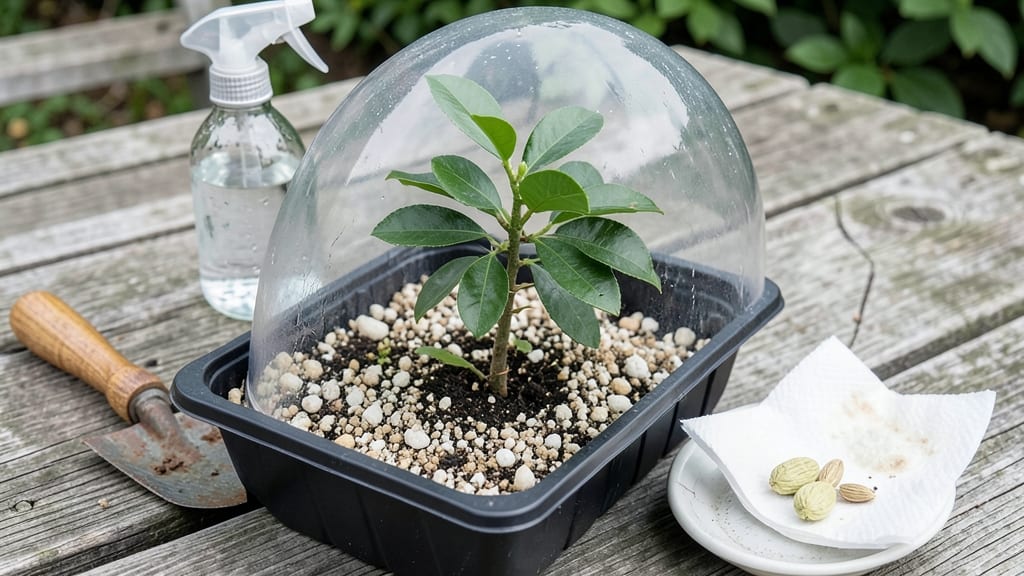
How to grow a key lime tree from seed is a three-year patience test that rewards you with fragrant blooms and tiny, tart fruit. 🌱 I’ve started more than I’ve kept, but the ones that survive become the star of my backyard—especially when they finally bear fruit after years of nurturing.
The key to success starts with fresh seeds and the right conditions: warm soil, bright light, and consistent moisture. Most seeds take 4-8 weeks to sprout, and many never do—but when they do, those first green leaves are worth every wait.
You’ll need a sunny spot, well-draining soil, and a little extra humidity to mimic their tropical roots.
By year three, your seedling might still be small, but with proper care—pruning, fertilizing, and protecting from frost—it’ll start showing real citrus potential. The fruit won’t be as sweet or abundant as grafted trees, but the journey (and the occasional lime) makes it unforgettable.
Fair warning: Seed-grown trees take longer to fruit, and the fruit is often smaller. But the satisfaction of growing something from nothing? That’s the real harvest. Here’s how to set yours up for success from day one.
📚 In This Guide
- What you need
- Instructions
- Tips and common mistakes
- Wrapping up and next steps
What you need
- ● Key lime seeds: 2–5 fresh, plump seeds (harvested from organic key limes for best results).
- ● Well-draining potting mix: 2–3 gallons of a citrus-specific blend (e.g., 60% peat moss, 30% perlite, 10% sand).
- ● Small pots or seed trays: 4–6 biodegradable pots (3–4 inches in diameter) or a shallow tray with drainage holes.
- ● Grow lights or sunny windowsill: A full-spectrum LED grow light (12–16 hours/day) or a south-facing window (6+ hours of direct sunlight).
- ● Spray bottle: For gentle watering (avoid over-saturating seeds).
- ● Humidity dome or plastic wrap: To retain moisture while seeds germinate.
- ● Fertilizer: A balanced citrus fertilizer (e.g., 6-6-6 NPK) or diluted fish emulsion (once seedlings sprout).
- ○ Pruning shears: Small, sharp scissors for trimming (optional but helpful for early shaping).
- ● Heat mat: Keeps soil warm (75–85°F) to speed up germination.
- ● pH testing kit: Ensures soil pH stays between 5.5–6.5 (ideal for citrus).
- ● Larger container: A 5–7 gallon pot for transplanting after 6–12 months.
- ● Citrus tree support: A small stake or trellis for young trees (as they grow taller).
- ● Epsom salt: A pinch (½ tsp/gallon of water) monthly for magnesium boosts.
Step-by-step instructions for growing key lime trees from seed
Here's how I've grown healthy key lime trees from seed—patience pays off with fragrant blossoms and tart fruit.
🌱 Step 1: Extract and Prepare the Seeds
Start with fresh key limes—older fruit has seeds that germinate poorly. Cut open 4-6 limes and scoop out the seeds, rinsing them gently to remove pulp. Place the seeds between two paper towels, dampen them lightly, and fold the towels to create a seed sandwich. This keeps them moist while preventing rot.
The key here is moisture without sogginess. Check daily and mist with water if the towels dry out. You'll see tiny white roots emerge in about 7-14 days. Once roots reach about ½ inch long, they're ready for planting. Don't wait too long—long roots get damaged easily when transplanting.
🪴 Step 2: Plant the Germinated Seeds
Fill small pots (about 3-4 inches deep) with a well-draining cactus/succulent mix—key limes hate soggy roots. Make a small hole with your finger, about 1 inch deep, and gently place the rooted seed in, covering it lightly with soil. Press down just enough to secure it but don't compact the mix.
Water gently until moisture seeps from the drainage hole, then place the pots in a warm, sunny spot. A south-facing windowsill works well. Keep the soil consistently moist but not waterlogged—stick your finger in the soil; if the top inch feels dry, it's time to water. You'll see the first true leaves appear in about 3-4 weeks.
☀️ Step 3: Provide Care for the First Year
Once seedlings have 4-6 true leaves, transplant them into slightly larger pots (about 6 inches wide) with the same well-draining mix. Key limes grow slowly, so don't rush repotting—wait until roots start circling the pot or you see new growth slowing down. Place them in bright, indirect light for the first few weeks to avoid leaf scorch.
Water when the top 1-2 inches of soil feel dry. In the first year, focus on building strong roots and sturdy stems. If you notice leaves yellowing, it's often a sign of overwatering—let the soil dry out more between waterings. By the end of the first year, your seedlings should be about 1-2 feet tall with a sturdy trunk.
🌿 Step 4: Transition to Outdoor Growth (Year 2)
When nighttime temperatures stay above 50°F consistently, it's time to move your key lime trees outside. Start by placing them in a sheltered spot for a few hours a day, gradually increasing their time outdoors over 2-3 weeks. This process, called hardening off, helps them adjust to wind, sun, and temperature changes.
Choose a location with full sun (6+ hours daily) and protection from strong winds. If possible, plant them in the ground or in large containers (at least 12 inches wide) with good drainage. Mulch around the base to retain moisture and regulate soil temperature. You'll see new growth and the first signs of blossoms appearing in late spring or early summer.
⏰ Step 5: Maintain and Care for Mature Trees (Year 3+)
By year three, your key lime tree should be established and ready to produce fruit. Prune in late winter or early spring to remove any dead or diseased branches and to shape the tree. Cut back any leggy growth to encourage bushier growth. Fertilize lightly in early spring with a balanced citrus fertilizer to support flowering and fruiting.
Water deeply once a week, allowing the top 2-3 inches of soil to dry out between waterings. Key limes are drought-tolerant once established, but consistent moisture encourages better fruit production. Watch for pests like aphids or scale insects—treat any infestations early with neem oil or insecticidal soap to keep your tree healthy. With patience, you'll be harvesting your own key limes in just a few years!
Tips & tricks for growing key lime trees from seed
Growing key lime trees from seed is a rewarding journey—here's what I've learned to keep your citrus project thriving from start to finish.
Seed Selection: Always use seeds from fresh, ripe key limes—older fruit yields seeds that germinate poorly. I've found that seeds from limes stored in the fridge for even a few days lose viability. Once you've extracted your seeds, rinse them gently to remove any lingering pulp, which can cause rot during germination. This simple step can make the difference between success and failure in Step 1.
Germination Environment: The paper towel method works wonders, but maintaining the right moisture level is crucial. I've learned that checking daily and misting only when the towels feel dry prevents both rot and dehydration. Place your seed sandwich in a plastic bag to maintain humidity, but leave it slightly open to allow airflow. You'll typically see roots emerge within 7-14 days, but be patient—some seeds may take longer, especially if your kitchen is on the cooler side.
Transplanting Timing: Don't wait until your roots become too long before transplanting in Step 2. Once they reach about ½ inch, they're ready to go into their first pots. I've made the mistake of waiting too long—long roots get tangled and break easily during transplanting. Use small pots (about 3-4 inches deep) with well-draining cactus/succulent mix to prevent soggy roots, which can kill your seedlings quickly.
Light Management: Key lime seedlings need bright, indirect light during their first year, but too much direct sun can scorch their delicate leaves. In Step 3, I recommend placing them near a south-facing window where they'll get plenty of light without harsh afternoon rays. If you notice leaves turning yellow, it's often a sign of overwatering—let the top 1-2 inches of soil dry out between waterings. This balance is key to building strong stems and roots.
Pro Tips for Grow Key Lime From Seed
- Growing key lime trees from seed is a rewarding journey—here's what I've learned to keep your citrus project thriving...
- Seed Selection: Always use seeds from fresh, ripe key limes—older fruit yields seeds that germinate poorly. I've foun...
- Germination Environment: The paper towel method works wonders, but maintaining the right moisture level is crucial. I...
Frequently asked questions
about growing key lime trees from seed—because every citrus gardener has them! Here are answers to the most common queries to keep your little lime sapling thriving.How long does it take for a key lime seed to germinate?
Key lime seeds typically sprout in 2–4 weeks if kept warm (70–85°F) and moist. Patience is key—some stubborn seeds may take up to 8 weeks. Use a heat mat or sunny windowsill to speed things up!
Can I grow a key lime tree indoors, or does it need outdoor conditions?
Yes! Start indoors in pots with drainage (6+ inches deep) and move outdoors after the last frost when temps stay above 50°F. In colder zones, overwinter indoors near a sunny window or under grow lights. Just avoid drafts—key limes hate cold feet!
Why isn’t my seedling growing? Troubleshooting slow or stunted growth.
Check these fixes:
- Light: Needs 6+ hours of sunlight daily—yellow leaves = not enough light.
- Water: Keep soil consistently moist (not soggy); wilting = underwatering.
- Nutrients: Fertilize lightly with citrus-specific food every 2–3 months after 6 months.
- Pests: Inspect for aphids or spider mites (spray with neem oil if needed).
Will my homegrown key lime tree produce fruit, or is it just ornamental?
Yes! With 3–5 years of care (patience, friend!), your seedling can bear fruit—but it may take longer than grafted trees (which are bred for faster fruiting). For sooner limes, consider grafting later, or enjoy the experience of watching your tree grow organically.
Can I use store-bought key limes for seeds, or do I need organic?
Store-bought seeds work fine! Just rinse them to remove pulp residue, then dry before planting. Organic isn’t required, but avoid conventionally grown limes treated with fungicides—they might slow germination. Pro tip: Save seeds from ripe, homegrown limes for the best results!
Wrapping up and next steps
Growing a key lime tree from seed is a rewarding journey that blends patience with the joy of nurturing life! 🌱 With the right care—sunlight, water, and a little love—you’ll witness your tiny seedling transform into a fragrant citrus tree in just three years.
Whether you’re dreaming of homemade key lime pie or simply love the process, every step brings you closer to that sweet, tangy payoff.
Now that you’re armed with knowledge, take the first step today—plant that seed and watch your citrus adventure begin! Share your progress with fellow plant enthusiasts, and soon, you’ll be harvesting your own limes to savor or share. Happy growing! 🍋✨