
Size
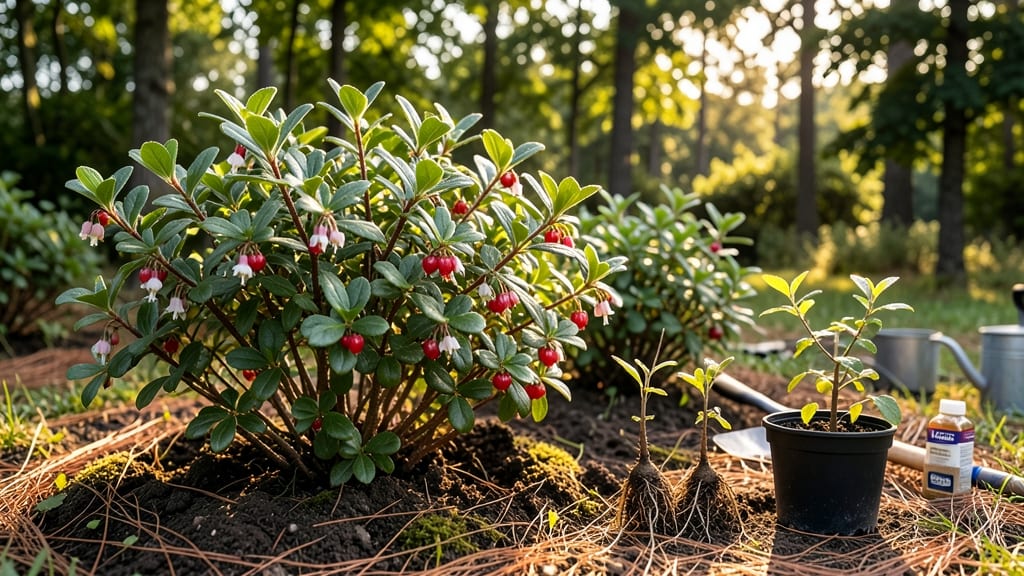
How to grow lingonberries thrives where most plants fail—acidic soil and cool climates. 🌿 I planted mine last fall in a raised bed, and now they're a lush, evergreen ground cover that rewards patience with tart-sweet berries year after year. The key isn't just the soil—it's the right balance of shade, moisture, and a little neglect that keeps them productive.
You'll need sphagnum peat moss or pine needles to mimic their natural bog habitat, plus a sunny spot with partial afternoon shade. Containers work too—just use a mix of peat, perlite, and pine bark.
Watering's simple: keep the soil moist but never soggy, and mulch heavily to preserve that critical acidity. Most gardeners overwater these tough little shrubs, but lingonberries actually prefer drier conditions once established.
By next summer, you'll be harvesting bright red berries that taste like a cross between cranberries and blueberries. The plants stay compact (just 12-18 inches tall), spread slowly, and produce for decades with minimal care. Pruning's optional—just trim back any leggy growth in early spring to encourage bushier, berry-heavy growth.
Perfect for northern gardens, containers, or even as an understory plant in mixed borders. The berries freeze beautifully for winter treats, and the evergreen foliage adds year-round interest. Here's how to get started without the common pitfalls that trip up beginners.
📚 In This Guide
- What you need
- Instructions
- Tips and common mistakes
- Wrapping up and next steps
What you need
- ● Lingonberry plants: 3–5 healthy, disease-free Vaccinium vitis-idaea plants (bare-root or potted). Look for female varieties (most are self-pollinating).
- ● Acidic growing medium: Peat moss or coconut coir (3–4 bags, ~2–3 cubic feet each).
- ● Sphagnum peat moss (1 bag, for extra acidity).
- ● Pine bark fines or fir bark (1–2 bags, for drainage).
- ● Perlite or pumice (1 small bag, for aeration).
- ● Soil amendments (if planting in ground): Sulfur powder (1–2 lbs, to lower pH to 4.5–5.5).
- ○ Composted pine needles or oak leaves (optional, for mulch).
- ● Containers (if growing in pots): 5–7 gallon pots with drainage holes (2–3 plants per container).
- ● Mulch: Pine straw or shredded bark (1–2 bags, to retain moisture and acidity).
- ● Fertilizer: Acid-loving plant fertilizer (e.g., Osmocote or Miracle-Gro Azalea/Camellia, 10–10–10 NPK ratio).
- ● Tools: Garden trowel or spade.
- ● Pruners (sterilized).
- ● pH testing kit (digital or liquid strips).
- ● Watering can or hose with a gentle spray nozzle.
- ● Erosion control: Landscape fabric or burlap (to protect soil in sloped areas).
- ● Drip irrigation system: For consistent moisture in dry climates.
- ● Row covers: Lightweight fabric to protect young plants from late frosts.
- ● Companion plants: Blueberries or cranberries (they share similar growing conditions!).
- ● Plant labels: To track varieties and planting dates.
Step-by-Step instructions for cultivating lingonberries in containers
Here's the method I've perfected for growing these tart berries—even in small spaces.
🪴 Step 1: Select the Right Containers and Acidic Mix
Lingonberries thrive in acidic soil (pH 4.0-5.0), so choose 12-18 inch deep containers with drainage holes. I use unglazed ceramic pots because they prevent root rot better than plastic. Fill each with a mix of 50% peat moss, 30% perlite, and 20% sand—this ensures proper drainage while maintaining acidity.
Moisten the mix with distilled water (tap water can alter pH) until it feels like a damp sponge. Avoid compacting the soil—lingonberries hate dense roots. Place a 2-inch layer of pine bark fines at the bottom for extra acidity and drainage.
🌱 Step 2: Plant Bare-Root Cuttings at the Right Time
Plant 2-3 bare-root cuttings per container in early spring or fall when temperatures are 50-60°F. Dig a hole deep enough to cover the roots but leave the crown (where stems meet roots) slightly above soil level. This prevents rot while encouraging new growth.
Space cuttings 6 inches apart—they’ll spread over time. Water gently but thoroughly after planting. Lingonberries establish slowly, so don’t rush. You’ll see new red shoots within 4-6 weeks if conditions are right.
☀️ Step 3: Position for Partial Sun and Protect from Wind
Lingonberries love morning sun and afternoon shade—think 4-6 hours of direct light daily. A spot under high trees or on an east-facing patio works best. In hot climates, afternoon shade is critical; otherwise, leaves scorch and berries ripen unevenly.
Keep containers slightly elevated (on a stand or bricks) to prevent waterlogging. Lingonberries hate soggy roots. Mulch with pine needles or sphagnum moss to retain moisture and acidity. You’ll know you’ve got it right when new growth stays deep green and compact.
💧 Step 4: Water and Fertilize for Acid-Loving Plants
Water when the top inch of soil feels dry, but never let containers sit in saucers of water. Lingonberries need consistent moisture but despise wet feet. Use a fertilizer blend for acid-loving plants (like rhododendron food) every 6-8 weeks in growing season. Too much fertilizer burns roots—stick to half-strength applications.
In late fall, reduce watering but keep soil lightly moist. Lingonberries go semi-dormant in winter, and dry soil prevents root damage. You’ll see buds forming in early spring—that’s your cue to ramp up care.
✂️ Step 5: Prune and Harvest for Long-Term Productivity
Prune in late winter or early spring to remove dead or crossing branches. Cut back 1/3 of the oldest stems each year to encourage new growth. Lingonberries produce berries on second-year wood, so pruning keeps the plant balanced.
Harvest when berries turn deep red and plump, usually in late summer to fall. Gently twist clusters from the stem—don’t pull, or you’ll damage the plant. Store fresh berries in the fridge for up to 2 weeks or freeze for longer storage. With proper care, your plants will bear for 10+ years.
Tips & tricks for perfect lingonberry cultivation
Here's what nobody tells you about growing these finicky berries—tricks that'll keep your plants thriving for years.
Soil pH is non-negotiable: Test your soil mix before planting to confirm it's between pH 4.0-5.0. I use a simple liquid test kit—lingonberries won't tolerate even slight alkalinity. If your mix drifts above 5.5, add crushed sulfur or more pine bark fines (the 2-inch layer mentioned in Step 1) to bring it back down. Remember, these plants are fussy about acidity, and there's no coming back once the pH creeps up.
Timing matters more than you think: Those 4-6 hours of morning sun in Step 3 are critical, but the quality matters just as much as quantity. Cloudy mornings work better than intense midday sun—think dappled light under tall trees. In hot climates, I've seen leaves scorch even with afternoon shade if the morning sun was too aggressive. If you notice yellowing leaves, move your containers to a slightly shadier spot immediately.
Watering is an art form: The "top inch dry" guideline in Step 4 is your baseline, but check soil moisture at the 2-inch level too—lingonberries need consistent moisture throughout the root zone. I use a moisture meter for accuracy, especially in summer. The key is to mimic their natural bog environment: damp but never soggy. If your containers have saucers, always empty them within 15 minutes of watering to prevent root suffocation.
Fertilizer timing saves lives: Those 6-8 week intervals for acid-loving plant fertilizer in Step 4 are perfect, but here's what I do differently: I split the dose into two applications—half in early spring when buds form, and half after harvest. This prevents nutrient burnout while keeping roots happy. And never, ever use regular garden fertilizer—it'll cook their delicate roots in minutes.
Pro Tips for Grow Lingonberries
- Here's what nobody tells you about growing these finicky berries—tricks that'll keep your plants thriving for years.
- Soil pH is non-negotiable: Test your soil mix before planting to confirm it's between pH 4.0-5.0.
- Timing matters more than you think: Those 4-6 hours of morning sun in Step 3 are critical, but the quality matters just as much as quantity.
Frequently asked questions
Got questions about growing lingonberries? You’re not alone—this tart, versatile berry has a few quirks! Here are answers to the most common queries to help you cultivate a thriving patch.
How long does it take for lingonberries to bear fruit?
Patience is key! Lingonberry plants typically take 2–3 years to produce their first harvest. If you’re in a hurry, choose established nursery plants (1–2 years old) for a faster reward. With proper care, mature bushes yield berries for decades—talk about a long-term investment!
Can lingonberries survive winter in cold climates?
Lingonberries are hardy perennials (USDA Zones 2–6) and thrive in cold winters. Their evergreen leaves and low-growing habit protect them from frost. In fact, they often need winter cold to produce fruit. Just ensure they’re planted in well-draining soil to avoid soggy roots during thaw.
Are lingonberries easy to grow in containers?
Yes! Lingonberries adapt well to containers (minimum 12–18 inches deep) if you mimic their native acidic, sandy soil. Use a mix of peat moss, perlite, and pine bark. Containers also make them mobile—move them to full sun in summer and partial shade in winter for optimal growth. Perfect for balconies or small gardens!
What pests or diseases should I watch for?
Lingonberries are relatively pest-resistant, but keep an eye out for:
- Birds: Use netting to protect ripe berries.
- Root rot: Avoid overwatering—soggy soil is their nemesis.
- Spider mites: Spray with water on hot days to deter them.
Can I grow lingonberries in alkaline soil?
Not ideal! Lingonberries crave acidic soil (pH 4.5–5.5). If your soil is alkaline, amend it with:
- Sulfur or peat moss
- Pine needles or oak leaves as mulch
- Composted pine bark
Wrapping up and next steps
Growing lingonberries is a rewarding journey that brings sweet, tangy treats straight to your table—with minimal fuss! 🌱 Whether you’re a beginner or a seasoned gardener, their love for acidic soil and low-maintenance care makes them a fantastic addition to any yard or container garden.
Start small with a few plants, and soon you’ll enjoy year-round harvests of these tart berries.
Ready to dive in? Grab your gloves, pick a sunny spot, and plant those lingonberries today! Your future self (and taste buds) will thank you. 🍇✨