
Size
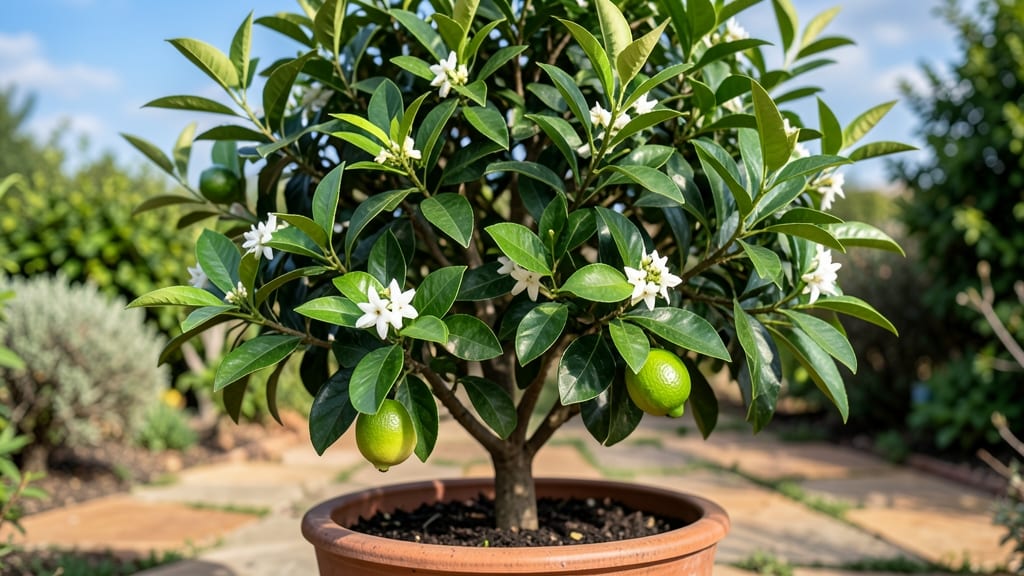
How to grow a Mexican lime tree from a single cutting changed my kitchen forever. ✨ That first tart, bright fruit—picked straight from my balcony—tastes nothing like store-bought limes. The secret isn't complicated: these trees thrive in containers with the right balance of sun, soil, and water.
You'll need a 5-gallon container (or larger), well-draining soil, and a sunny spot—either outdoors in warm climates or indoors near a bright window. Most people overwater, which is why their trees yellow and drop leaves.
I learned the hard way that Mexican lime trees prefer dry-ish soil between waterings and hate soggy roots.
By summer, you'll be harvesting limes that stay fresh for months, their bright green skin hiding juice so intense it makes margaritas taste like art. The tree grows 6-10 feet tall in containers, so prune regularly to keep it manageable.
My tree now produces dozens of limes each year, and the neighbors keep asking where I get them.
Works year-round in pots, whether you're in a warm climate or a cold-weather zone with a sunny window. The key is adjusting water and light as seasons change—no green thumb required, just attention to detail. Let's get you growing!
📚 In This Guide
- What you need
- Instructions
- Tips and common mistakes
- Wrapping up and next steps
What you need
- ○ Mexican lime tree seedling or sapling: Purchase from a nursery (ensure it’s disease-free and hardy). Optional: Grow from seed (slower, ~1-2 years to fruit).
- ● Container: At least 15-20 gallons (18-24" diameter) with drainage holes. Materials: Fiberglass, ceramic, or heavy-duty plastic.
- ● Well-draining potting mix: 50% citrus-specific soil + 30% perlite/pumice + 20% compost. Avoid garden soil—it’s too dense!
- ● Drainage tray or saucer: To catch excess water and prevent root rot.
- ○ Slow-release fertilizer: Citrus-specific 6-6-6 or 8-3-9 NPK ratio (e.g., Miracle-Gro Citrus Food). Optional: Organic options like fish emulsion.
- ● Watering can with a rose attachment: For gentle, even hydration.
- ● Pruning shears: Sharp, sterilized shears for shaping and harvesting.
- ○ Support stake or trellis: If growing tall (optional for dwarf varieties).
- ● Sunlight: 6-8+ hours of direct sunlight daily (south or west-facing spot ideal). Indoor growers: Use a grow light (12+ hours/day).
- ● Temperature: Thrives in 65–95°F (18–35°C). Protect from frost (<32°F/0°C).
- ● Humidity: 40–60%. Use a humidifier or pebble tray if air is dry.
- ● Water access: Regular watering (keep soil consistently moist but not soggy).
- ● Patience: 3–5 years to bear fruit from seed; faster with a grafted sapling!
Step-by-step instructions for growing Mexican lime trees in containers
Here’s how to nurture a thriving Mexican lime tree—sweet, fragrant, and productive year-round.
🪴 Step 1: Choose the Right Container and Soil Mix
Select a 5-gallon or larger container with drainage holes—Mexican lime trees need room to develop roots and won’t tolerate soggy feet. I use unglazed terra cotta because it breathes and helps regulate moisture. Fill the pot with a well-draining citrus potting mix (never garden soil—it compacts and suffocates roots). Add a handful of perlite or pumice to improve aeration.
Tap the container gently to settle the soil without compacting it. The mix should feel like a damp sponge—moist but not waterlogged. Pre-moisten the soil with warm water before planting to encourage root establishment. This tree thrives in slightly acidic to neutral soil (pH 6.0–7.0), so test your mix if you’re unsure.
🌱 Step 2: Plant Your Mexican Lime Tree Properly
Remove the tree from its nursery pot and loosen the roots if they’re circling. Place it in the container so the root flare (where roots meet the trunk) sits just above the soil line. Backfill with the citrus mix, pressing lightly to eliminate air pockets but avoiding compaction. Water deeply until it drains from the bottom holes—this settles the soil and eliminates gaps.
I always add a slow-release citrus fertilizer (like Osmocote) to the top inch of soil during planting. This gives the tree a nutrient boost right when it needs it most. Avoid overwatering now—let the soil dry slightly between waterings to prevent root rot, which is a silent killer for citrus.
☀️ Step 3: Position for Optimal Light and Temperature
Mexican lime trees crave full sun (6–8 hours daily) and struggle in shade. Place your container in a south- or west-facing spot where it gets unfiltered light. If you’re in a hot climate, provide afternoon shade to prevent leaf scorch—you’ll see the edges of leaves turn crispy and brown if it’s too intense.
Keep temperatures between 60–90°F—this tree handles heat better than cold. If nights dip below 50°F, move it indoors near a bright window or under grow lights. I’ve kept mine on a patio all winter in Zone 9 with a frost cloth draped over it during chilly snaps—it’s tougher than it looks.
💧 Step 4: Water and Fertilize for Maximum Fruit Production
Water when the top 1–2 inches of soil feel dry—stick your finger in to check. Overwatering is the #1 killer, so let the soil dry out between drinks. In summer, you might water every 2–3 days; in winter, every 1–2 weeks. Always water at the base to avoid wetting leaves, which can cause fungal issues.
Feed every 4–6 weeks with a balanced citrus fertilizer (like 8-8-8 or 10-10-10). I switch to a lower-nitrogen, higher-potassium formula (like 5-10-10) when buds form to encourage fruiting. Prune leggy growth in early spring to shape the tree and improve airflow—this prevents disease and makes harvesting easier.
✂️ Step 5: Prune and Harvest for Long-Term Health
Prune in late winter or early spring before new growth starts. Remove dead, crossing, or inward-growing branches with clean, sharp pruners. I also trim back any suckers (shoots growing from the base) to direct energy into fruit production. Sterilize your tools with rubbing alcohol to prevent spreading disease.
Harvest limes when they’re bright green and slightly soft to the touch—they won’t ripen further off the tree. Pick them carefully to avoid damaging branches. With proper care, a container-grown Mexican lime can produce 100+ limes per year. Store unripe fruit in a cool, dark place to ripen, or use them fresh in drinks, desserts, or marinades.
Tips & tricks for growing Mexican lime trees in containers
Real talk: Container-grown Mexican lime trees can outperform their in-ground cousins if you nail these key details.
Container Size Matters: That 5-gallon minimum isn't arbitrary—Mexican lime roots spread aggressively. If you're planning for heavy fruiting, upgrade to a 7-10 gallon container by year two. I've seen trees in 5-gallon pots struggle after two years when fruit production ramps up. The extra space prevents root binding, which leads to stunted growth and poor fruit set.
Soil Science: The pH 6.0-7.0 range is critical, but here's what nobody tells you—citrus trees actually prefer slightly more acidic soil (around 6.0) when fruiting. Test your mix before planting, and if it's neutral, add a handful of sulfur to lower the pH slightly. I've seen trees in alkaline soil develop yellow leaves despite perfect watering—it's a silent nutrient blocker.
Light Strategy: Those 6-8 hours of sun are non-negotiable, but here's my breakthrough: In extreme heat zones, I move my container to morning sun only (east-facing) and provide afternoon shade. The key is maintaining leaf temperature below 90°F—any hotter and you'll get sunburned leaves that crisp at the edges. A simple shade cloth saves my trees from summer stress.
Winter Survival: The 50°F threshold isn't just about cold damage—it's about preventing flower drop. When nights dip below this, move your tree to a sheltered spot or indoors near a bright window. I've found that grow lights (12-14 hours daily) can actually stimulate flowering in winter if combined with consistent warmth. Just avoid drafts—citrus trees hate temperature swings more than cold itself.
Pro Tips for Grow Mexican Lime Tree
- Real talk: Container-grown Mexican lime trees can outperform their in-ground cousins if you nail these key details.
- Container Size Matters: That 5-gallon minimum isn't arbitrary—Mexican lime roots spread aggressively.
- Soil Science: The pH 6.0-7.0 range is critical, but here's what nobody tells you—citrus trees actually prefer slightly more acidic soil (around 6.0) when fruiting.
Frequently asked questions
Got questions about growing your own Mexican lime tree?
You’re not alone! Here are answers to the most common queries to help you cultivate this vibrant citrus plant with confidence.
Can Mexican lime trees grow indoors year-round?
Mexican lime trees thrive indoors as long as they get 6-8 hours of bright, indirect sunlight daily (a south-facing window or grow lights work well). Keep temperatures between 60–85°F and use a well-draining potting mix. Just ensure good airflow and occasional outdoor time in summer to prevent pests.
How long does it take for a Mexican lime tree to bear fruit?
With proper care, you can expect small, tart limes in 2–3 years—sometimes even sooner! Young trees focus on leaf growth first, so patience is key. Boost fruiting by hand-pollinating flowers (use a soft brush) and fertilizing with a citrus-specific feed every 4–6 weeks during growing seasons.
Why aren’t my Mexican lime tree’s leaves turning yellow?
Yellowing leaves usually signal overwatering, underwatering, or nutrient deficiencies. Check the soil: it should be slightly moist but not soggy. Adjust watering (let the top inch dry out between waterings) and test for pests like spider mites. A balanced fertilizer can also revive dull foliage.
Do Mexican lime trees need cold protection?
These trees are tropical but slightly cold-hardy—they tolerate brief dips to 28°F but prefer above 30°F. If temps drop below freezing, move potted trees indoors or wrap the pot in bubble wrap. For outdoor plants, mulch the base and cover with frost cloth for extra protection.
Can I grow Mexican lime trees from seed?
Yes, but store-bought seedlings are faster and more reliable. If you try seeds, expect 1–2 years before fruiting (vs. 6–12 months for grafts). Soak seeds overnight, plant in moist soil, and keep them warm (70–80°F) until sprouts appear. For consistent results, opt for nursery-grown trees!
Wrapping up and next steps
Growing a Mexican lime tree in containers is a rewarding way to enjoy fresh, tangy citrus year-round—even in cooler climates! With the right sunlight, soil, and care, you’ll soon be harvesting limes for cocktails, cooking, or garnishes.
Start small, stay consistent with watering and pruning, and don’t forget to protect your tree from frost if needed.
Now that you’re ready to plant, take the first step today—whether it’s choosing your container, prepping the soil, or finding that perfect nursery sapling. Your future lime tree is waiting! 🌱✨