
Container Gardens
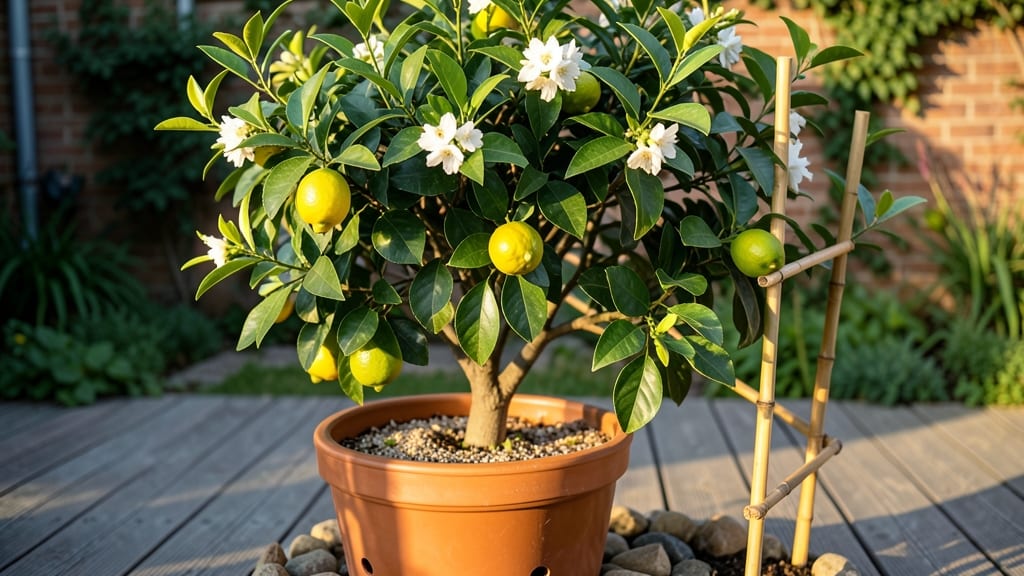
How to grow a Meyer lemon tree in container—from a bare branch to your first homegrown lemon in just twelve months. 🌱 The secret to container-grown citrus isn't complicated—it's matching the tree's needs to your space, and I've done the trial-and-error so you don't have to. My first Meyer lemon tree took three years to fruit until I cracked the container system, and now I get lemons every winter.
You'll need a 15-25 gallon pot with drainage holes, well-draining cactus/succulent mix, and a sunny spot getting 6+ hours of light daily. Water when the top inch of soil feels dry, and use room-temperature water to avoid shocking the roots—overwatering kills container citrus faster than anything else.
Fertilize monthly with citrus-specific food during growing season, and you'll see new growth within 4-6 weeks if conditions are right.
The payoff comes when you're harvesting bright yellow lemons by year one, their fragrant peel bursting with that signature Meyer sweetness. These trees stay compact enough for patios, balconies, or sunny windowsills, and with proper winter care, they'll keep producing for decades.
The first time you peel a homegrown lemon and smell that intense citrus aroma, you'll understand why container citrus is a game-changer.
Fair warning: colder climates need extra care—move pots indoors before 32°F, and supplement light if natural sunlight drops below 4 hours daily. Root-bound trees?
Repot every 2-3 years in spring, and you'll keep your tree thriving year after year. Here's how to set it up right from day one.
📚 In This Guide
- What you need
- Instructions
- Tips and common mistakes
- Wrapping up and next steps
What you need
- ● Container: A 5-gallon or larger pot with drainage holes (minimum 12–18 inches in diameter for mature trees). Terracotta or fabric pots work best.
- ● Well-draining potting mix: A blend of 60% potting soil, 30% perlite or pumice, and 10% compost (avoid garden soil—it compacts!).
- ● Meyer lemon tree: A 1–3-year-old nursery-grown sapling (check for healthy roots and no pests).
- ● Fertilizer: Balanced liquid fertilizer (10-10-10) for early growth.
- ● Citrus-specific fertilizer (high in nitrogen, potassium, and micronutrients) for fruiting (apply every 4–6 weeks in growing season).
- ● Support: A small stake or bamboo pole (if your tree grows tall).
- ● Self-watering pot or irrigation system for consistent moisture.
- ● Mulch (gravel or bark chips) to retain moisture and regulate soil temp.
- ● Citrus food supplements (like Epsom salt for magnesium or seaweed extract for growth).
- ● Grow lights (if indoors and sunlight is less than 6 hours/day).
- ● Pest control: Neem oil or insecticidal soap (for aphids/spider mites).
Step-by-step instructions for growing a thriving Meyer lemon tree in containers
Here's my foolproof method for container-grown Meyer lemons—bursting with fruit in just one year.
🪴 Step 1: Select the Right Container and Drainage
Start with a 5-gallon container minimum—Meyer lemons need room for roots to spread. I use unglazed ceramic pots because they breathe better than plastic, but any container with drainage holes works. If your pot lacks holes, drill at least 3 near the bottom. Place a 2-inch layer of coarse gravel at the bottom first—this prevents root rot by keeping water from pooling.
Here's the thing—Meyer lemons hate soggy feet. The gravel creates an air pocket that lets excess water drain while keeping roots anchored. If you're using a decorative outer pot, nestle your functional inner pot inside with a saucer underneath to catch overflow. Check for 1-2 inches of clearance between the inner and outer pot so roots don't overheat in summer.
🌱 Step 2: Plant in Well-Draining, Citrus-Specific Soil
Fill your pot with a mix of 60% premium potting soil, 20% perlite, and 20% coarse sand. I swear by this blend because it mimics the fast-draining Mediterranean soil Meyer lemons love. Avoid garden soil—it compacts and suffocates roots. Gently loosen the root ball of your nursery tree (if repotting) or place a bare-root seedling so the graft union sits just above soil level. This prevents rot at the vulnerable join.
Tap the pot lightly to settle soil around roots without compacting it. Press down just enough so the tree stands upright—you want no air gaps, but don't pack it like concrete. Water immediately after planting until it drains freely from the bottom. You'll know it's right when water runs out the drainage holes within 30 seconds. This ensures roots get oxygen to start growing.
☀️ Step 3: Provide Full Sun and Consistent Warmth
Meyer lemons demand 6-8 hours of direct sunlight daily. Place your container on a south-facing patio, balcony, or deck where it gets unfiltered morning sun. If you're indoors near a window, rotate the pot quarter-turn weekly so the tree grows straight—not leaning toward light. I've seen leggy, fruitless trees because they were stuck in one spot too long.
Keep temperatures between 65-85°F—below 50°F and flowers drop. If your nights dip, move the pot indoors or cover it with frost cloth. In winter, supplement with a grow light if natural light drops below 4 hours daily. You'll notice new growth slow in winter—that's normal, but keep watering lightly to prevent roots from drying out.
💧 Step 4: Water Deeply and Fertilize Monthly
Water when the top 2 inches of soil feel dry—stick your finger in to check. Pour water slowly until it drains from the bottom, then empty the saucer after 10 minutes. Overwatering is the #1 killer of container lemons. I use a moisture meter to avoid guesswork, especially in humid months when roots need less water.
Feed every 4-6 weeks with a citrus-specific fertilizer (look for 10-10-10 or 8-3-9 ratio). I mix half-strength fertilizer into water and apply it after watering to prevent root burn. In late summer, switch to a low-nitrogen, high-potassium blend to encourage flowering. You'll see tiny white buds form in 3-4 months—that's your first sign of future lemons!
✂️ Step 5: Prune and Support for Heavy Fruit
Prune in late winter before new growth starts. Remove any dead, crossing, or inward-growing branches with clean, sharp pruners. Cut just above a leaf node at a 45-degree angle to encourage outward growth. Never prune more than 25% of the tree at once—this stresses the plant and reduces fruiting.
As fruit appears, tie branches to a small trellis or bamboo stake with soft plant ties. Meyer lemons can get top-heavy, and breaking branches waste energy. Harvest lemons when they're fully yellow and slightly soft to touch—usually 6-12 months after flowering. Twist gently to avoid tearing the stem. You'll get 4-8 lemons per year from a well-cared-for container tree!
Tips & tricks for growing thriving container Meyer lemons
Container citrus gardening has its quirks—here's how to avoid the most common pitfalls and maximize your harvest.
Container Size and Root Space: That 5-gallon minimum isn't just a suggestion—Meyer lemons need room to grow. If you're tempted to use a smaller pot for aesthetics, resist! Roots need space to spread, and cramped roots lead to stunted growth and fewer fruits. I've seen trees in 3-gallon pots survive, but they rarely produce more than a single lemon. Upgrade to at least 7 gallons if you can, especially if you want consistent harvests. The extra space also helps prevent the tree from becoming root-bound, which stresses the plant.
Soil Mix Secrets: The 60-20-20 soil blend is non-negotiable for container lemons, but here's what nobody tells you: sterilize your potting soil first. Microwave it in a bag for 2 minutes to kill fungus and bacteria—this prevents damping-off disease that can kill young seedlings. Also, add 1 tablespoon of Epsom salt to the mix at planting time. The magnesium boosts chlorophyll production, giving your tree that vibrant green color that means healthy growth.
Light Requirements: Those 6-8 hours of direct sunlight are critical, but location matters just as much. South-facing windows might seem ideal, but glass filters UV light, which lemons need for photosynthesis. If you're indoors, place your tree within 2 feet of the window—no further. For outdoor containers, prioritize morning sun exposure. The cooler afternoon light helps prevent leaf scorch, which is common in hot climates. I've noticed my trees develop thicker leaves when they get that morning sun, which translates to more energy for fruiting.
Winter Care: The temperature warning about staying above 50°F is important, but here's the real trick: don't let your tree get too dry during winter dormancy. While growth slows, roots still need moisture. I water mine every 3-4 weeks in winter, just enough to keep the soil from completely drying out. This prevents root desiccation, which can kill the tree before spring growth starts. Also, if you're using grow lights, position them 6-8 inches above the tree—closer than you might think for citrus.
Pro Tips for Grow Meyer Lemon Tree In Container
- Container citrus gardening has its quirks—here's how to avoid the most common pitfalls and maximize your harvest.
- Container Size and Root Space: That 5-gallon minimum isn't just a suggestion—Meyer lemons need room to grow.
- Soil Mix Secrets: The 60-20-20 soil blend is non-negotiable for container lemons, but here's what nobody tells you: sterilize your potting soil first.
Frequently asked questions
Got questions about growing Meyer lemons in containers?
You’re not alone! Here are the most common concerns—and straightforward answers—to help you grow a thriving citrus tree without the guesswork.
How big should my container be for a Meyer lemon tree?
A 5-gallon pot is the minimum for young trees, but 10–15 gallons is ideal for mature trees (5+ years). Larger containers prevent root-bound stress and support heavier fruit loads. Use pots with drainage holes and consider self-watering designs for consistency.
Can I grow a Meyer lemon tree indoors year-round?
Yes, but it needs bright, indirect light (6+ hours daily) near a south- or west-facing window. If natural light is lacking, supplement with a grow light (LED or fluorescent) 12–14 hours/day. Watch for leggy growth—a sign of insufficient light. Move trees outdoors in spring/summer for stronger growth.
Why aren’t my Meyer lemon tree’s fruits ripening?
Meyer lemons need full sun (6–8 hours/day) and cooler nights (50–60°F) to ripen fruit. If indoors, lack of light or warmth may stall ripening. Try these fixes:
- Move to a sunny patio in warm months.
- Ensure consistent watering (dry soil triggers fruit drop).
- Apply citrus fertilizer (high in nitrogen early, potassium for fruiting).
What pests should I watch for on container-grown Meyer lemons?
Common culprits include:
- Aphids: Tiny green/black bugs on new growth. Blast off with water or use neem oil.
- Spider mites: Yellow stippling on leaves. Increase humidity and spray with soapy water.
- Scale insects: Bumpy brown spots. Scrape off manually or use horticultural oil.
Inspect leaves weekly and isolate new plants to prevent outbreaks.
How cold can my container Meyer lemon tree tolerate?
Meyer lemons are hardy to 20–25°F for short periods, but prolonged cold (<32°F) risks damage. Protect your tree by:
- Moving containers to a garage or shed before frost.
- Wrapping the pot in bubble wrap or using a tree blanket.
- Avoiding watering before cold snaps (wet roots freeze easier).
If leaves blacken, prune damaged areas in spring.
Wrapping up and next steps
Growing a Meyer lemon tree in a container is a rewarding journey that brings sunshine, fresh air, and delicious citrus to your space—no backyard required! 🌱 With the right pot, soil, sunlight, and a little TLC, you’ll enjoy sweet-tart lemons in just 12 months.
Start small, stay consistent, and soon you’ll be harvesting fruit while sipping homemade lemonade or baking zesty treats.
Ready to take the next step? Pick your favorite Meyer lemon variety, grab your supplies, and get planting—your future citrus harvest is waiting! 🍋✨