
Propagation
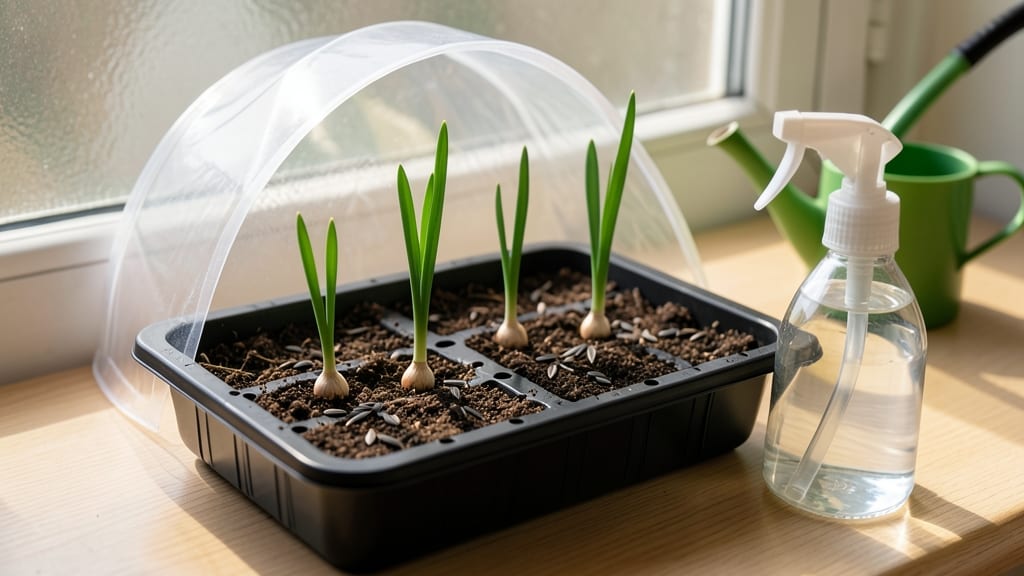
How to grow onions from seeds indoors gives you early harvests no nursery can match. 🌱 I’ve struggled with slow germination before—until I discovered the simple tricks that turn flimsy seedlings into sturdy, fast-growing plants ready for transplant in just 6-8 weeks. The secret isn’t complicated, but it’s not what most guides tell you either.
You’ll need a sunny windowsill or grow light, a shallow tray or small pots, and pre-soaked seeds—the real game-changer. Most people skip this step and end up with patchy germination.
I’ve tried every method, and the pre-soak trick cuts wait time in half while ensuring stronger starts. Even my black thumb can’t mess this up.
By the time you’re ready to transplant, you’ll have thick, green onion tops perfect for snipping or small bulbs forming underground. The best part? You control the variety—no more settling for store-bought onions when you can grow sweet, mild, or even purple ones tailored to your taste.
Plus, indoor starts mean no more bolting from heat stress.
This method works year-round, even in small spaces. Whether you’re a beginner or a seasoned gardener looking to extend your growing season, these tricks will have you harvesting homegrown onions months before your neighbors. Let’s get those seeds sprouting!
📚 In This Guide
- What you need
- Instructions
- Tips and common mistakes
- Wrapping up and next steps
What you need
- ● Onion seeds: Choose a fast-maturing variety like ‘Red Baron’ or ‘Evergreen Hardy White’ (1 packet, ~500 seeds).
- ● Seed-starting trays or small pots: 2–3 inch deep containers (6–12 total, depending on spacing).
- ● Seed-starting mix: Lightweight, sterile potting soil (1–2 bags, ~1 cubic foot each).
- ● Grow lights or sunny windowsill: 12–16 hours of light daily (LED grow lights work best).
- ● Spray bottle: For gentle watering (avoid over-saturating seeds!).
- ● Plastic wrap or humidity dome: To retain moisture while seeds germinate.
- ○ Fertilizer (optional but helpful): Balanced liquid fertilizer (e.g., 10-10-10) or compost tea (diluted).
- ● Heating mat: Speeds up germination (70–75°F ideal).
- ● Plant labels: Mark varieties to avoid mix-ups.
- ● Fine mist sprayer: For even moisture distribution.
- ● Transplanting trays: Larger pots (3–4 inches deep) for seedlings before outdoor move.
Step-by-step instructions for growing onions from seeds indoors
Here's how to bypass the slow start and get strong onion seedlings in just days.
🌱 Step 1: Soak Seeds to Jumpstart Germination
Onion seeds have a tough outer coating that slows germination. Place them in a small bowl and cover with lukewarm water for 12-24 hours. You'll see the seeds plump up and some may even sprout tiny white roots—this is your signal they're ready. I use a fine mesh strainer to drain them afterward, shaking off excess water gently.
Don't skip this step. Soaking breaks dormancy and cuts germination time from 3-4 weeks to just 7-14 days. If you're impatient (and who isn't?), this is where you'll see real progress. The seeds will feel noticeably heavier after soaking, which means they're absorbing moisture and preparing to sprout.
🪴 Step 2: Prepare Containers and Plant the Soaked Seeds
Fill small seed-starting trays or 2-inch deep pots with a light, sterile seed-starting mix. Press it down gently until the surface is firm but not compacted—you want roots to push through easily. I like to use biodegradable pots because they eliminate transplant shock later. Moisten the mix with room-temperature water until it's damp but not soggy.
Plant the soaked seeds ¼ inch deep, spacing them ½ inch apart in rows. Two seeds per pot works well, but thin to one strong seedling later. Tap the soil lightly around the seeds to ensure good contact. Here's the thing—onion seeds are tiny, so I use a toothpick to create small holes and place them precisely. This prevents overcrowding and makes thinning easier later.
💧 Step 3: Create Ideal Moisture and Warmth Conditions
Cover the trays with a clear plastic dome or plastic wrap to retain humidity and warmth. Onions germinate best at 65-75°F, so place the trays on a seedling heat mat if your home runs cooler. Check daily for condensation on the dome—this means the environment is moist enough. Remove the dome as soon as you see the first green sprouts, usually within 7-14 days.
Water gently from the bottom by placing the trays in ½ inch of water for 10 minutes. This prevents disturbing the seeds while ensuring even moisture. Overwatering now is the fastest way to invite damping-off, a fungal disease that collapses seedlings overnight. You'll know moisture is right when the soil surface looks slightly damp but not glistening.
☀️ Step 4: Provide Bright, Indirect Light Immediately
The instant seedlings emerge, move them to a bright, south-facing window or under grow lights. Onion seedlings need 12-14 hours of light daily to prevent leggy growth. If your light source is too far away, the seedlings will stretch toward it, creating weak stems that flop over. Position the light 2-3 inches above the plants and raise it as they grow.
You'll see strong seedlings develop round, dark green leaves and a thick base. Weak seedlings will look pale, spindly, and may fall over. If this happens, lower the light source immediately. Rotate the trays a quarter turn daily so seedlings grow straight instead of leaning toward the light. This ensures uniform growth and prevents shading between plants.
✂️ Step 5: Thin and Harden Off for Transplanting
When seedlings are 2-3 inches tall and have 2-3 true leaves, thin to the strongest seedling per pot. Use scissors to snip unwanted seedlings at soil level—this prevents disturbing the roots of the plants you're keeping. Water the remaining seedlings gently after thinning to help them recover.
Two weeks before your last frost date, start hardening off the seedlings by placing them outside in a sheltered spot for 1-2 hours the first day. Gradually increase outdoor time by 1 hour daily over 10-14 days, slowly introducing more sun and wind. You'll know they're ready for the garden when they tolerate a full day outside without wilting. Transplant on an overcast afternoon to reduce transplant shock.
Tips & tricks for growing onions from seeds indoors
Here's the thing about growing onions from seeds indoors—those first few weeks can feel like waiting for a snail race. These tricks will help you bypass the slow start and get strong, healthy seedlings in record time.
Soaking Secret: After soaking your seeds for the required 12-24 hours, don't rush to plant them immediately. Let them sit in a damp paper towel overnight in a sealed container. This extra step (beyond the instructions) gives them a head start on germination. I've seen seeds develop tiny root hairs during this time—it's like watching them wake up right before your eyes. The key is keeping the towel damp but not soggy, or you risk fungal growth.
Container Intelligence: While the instructions suggest 2-inch deep pots, I've found that slightly deeper containers (2.5-3 inches) give onion roots more room to establish before transplanting. This is especially helpful if you're growing varieties that develop larger bulbs. Just make sure the extra depth doesn't cause waterlogging—onions hate soggy roots. You can also use egg cartons as temporary containers for the first week, which makes the thinning process much easier later.
Light Strategy: That 12-14 hours of light requirement is non-negotiable, but here's what nobody tells you: position your grow lights or window setup so the seedlings get morning sun (or grow light) first. This daily routine mimics natural light patterns and helps prevent the seedlings from growing too tall too quickly. I've noticed that seedlings exposed to strong afternoon light alone tend to develop weaker stems. If you're using a south-facing window, rotate your trays every few days to ensure even light exposure across all plants.
Hardening Off Hack: When you're ready to start hardening off your seedlings, I've found that introducing them to a shaded outdoor spot during the coolest part of the day (early morning or late evening) gives them a gentler transition. Start with just 30 minutes on the first day instead of the full 1-2 hours, then gradually increase. This extra patience prevents transplant shock and helps the seedlings develop stronger cell walls before facing full outdoor conditions. You'll notice the difference in their resilience when it's time to move them to the garden.
Pro Tips for Grow Onions From Seeds Indoors
- Here's the thing about growing onions from seeds indoors—those first few weeks can feel like waiting for a snail race.
- Soaking Secret: After soaking your seeds for the required 12-24 hours, don't rush to plant them immediately.
- Container Intelligence: While the instructions suggest 2-inch deep pots, I've found that slightly deeper containers (2.5-3 inches) give onion roots more room to establish before transplanting.
Frequently asked questions
Got questions about growing onions from seeds indoors?
You’re not alone! Here are answers to the most common queries to help you succeed with your homegrown onions.
How long does it take for onion seeds to germinate indoors?
Onion seeds typically germinate in 10–21 days indoors, depending on warmth and moisture. Keep soil consistently moist (not soggy) and maintain temperatures between 60–75°F (15–24°C). Patience is key—some varieties sprout faster than others, but thin seedlings once they’re 2–3 inches tall for stronger growth.
Can I grow onions indoors without a grow light?
Yes, but expect slower, leggier growth. Place your seedlings near a south-facing window for 6+ hours of sunlight daily. If natural light is limited, supplement with a basic LED grow bulb (12–16 hours/day) to prevent weak, stretched seedlings. Onions need light to develop sturdy bulbs!
Why are my onion seedlings turning yellow or dying?
Yellowing or wilting seedlings usually signal overwatering, poor drainage, or cold stress. Check soil moisture—onions hate soggy roots! Ensure pots have drainage holes and use a well-draining seed-starting mix. If temps drop below 50°F (10°C), move seedlings to a warmer spot or use a seedling heat mat.
Do I need to fertilize onion seeds right away?
Nope! Wait until seedlings have 2–3 true leaves before fertilizing. Use a balanced, water-soluble fertilizer (like 10-10-10) diluted to half-strength. Over-fertilizing young seedlings can burn delicate roots. Feed every 2–3 weeks once actively growing, and reduce nitrogen as bulbs form to encourage storage quality.
Can I transplant indoor-grown onion seedlings outside later?
Harden off seedlings by gradually exposing them to outdoor conditions (wind, sun) over 7–10 days before transplanting. Choose a cool (50–60°F/10–15°C), cloudy day and plant after the last frost. Space seedlings 4–6 inches apart in well-drained soil. Onions thrive outdoors once established—just avoid transplanting when bulbs start forming!
Wrapping up and next steps
Growing onions from seeds indoors is a rewarding and space-saving way to enjoy fresh, homegrown harvests year-round! 🌱 With the right setup—like proper lighting, moisture control, and patience—you’ll soon be thinning seedlings and watching them thrive.
Whether you’re a beginner or a seasoned gardener, this method opens doors to earlier harvests and greater variety than store-bought options.
Now that you’ve mastered the basics, why not take the next step? Try experimenting with different onion varieties or even transplanting seedlings outdoors once the weather warms up. Your kitchen—and taste buds—will thank you! 😊