
Size
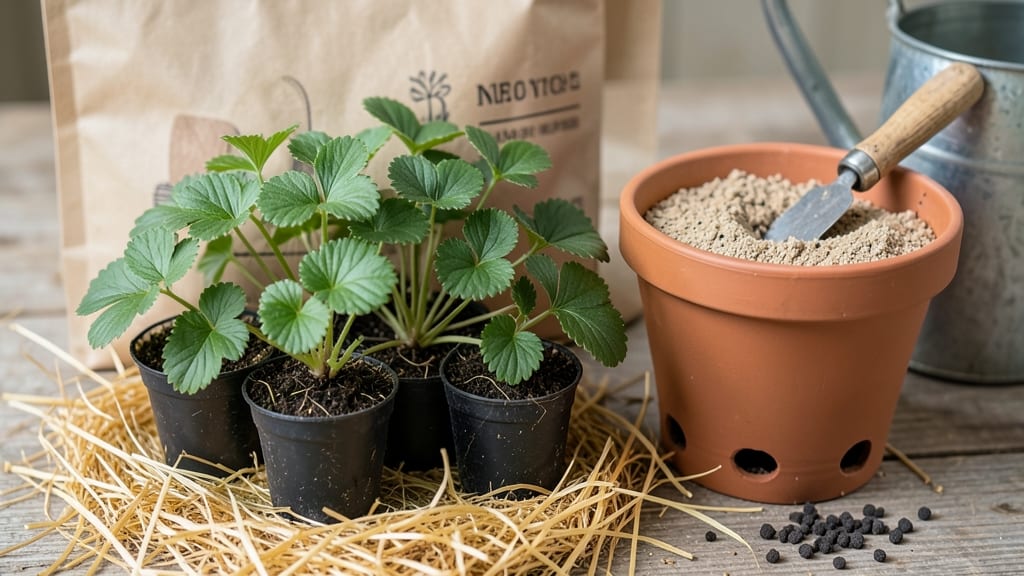
Learning how to grow strawberries in the pots indoors just changed how I enjoy breakfast. 🌱 The sweetest berries arrive year-round, even when winter turns the outdoors into a frozen tundra. My first batch surprised me—plump, red strawberries from a tiny pot on my kitchen counter.
You only need 6-inch-deep containers, well-draining soil, and 6+ hours of sunlight daily. Most people overlook the light part, but strawberries are sun-worshippers. A south-facing window or a basic grow light solves that. I use 5-gallon pots for each plant, and they thrive without taking over my space.
By summer, you’ll harvest dozens of berries from a single plant. The flavor? Richer than store-bought, with no travel-wilting. Plus, you skip the pests and soil-borne diseases that plague outdoor gardens. This works for any indoor space—balconies, sunrooms, or even a sunny hallway.
The key is patience and consistency. Let’s get those plants producing!
📚 In This Guide
- What you need
- Instructions
- Tips and common mistakes
- Wrapping up and next steps
What you need
- ● Containers: 1–2 large pots (12–18 inches deep) with drainage holes (or a self-watering planter). Pro tip: 💡 Use pots with saucers to catch runoff!
- ● Potting Mix: 1 bag (5–10 quarts) of well-draining, organic potting soil (avoid garden soil—it compacts!).
- ● Strawberry Plants: 3–5 June-bearing or everbearing varieties (check local nurseries or online stores for bare-root or potted plants).
- ● Fertilizer: 1 bottle of balanced liquid fertilizer (10-10-10 or 5-5-5) or slow-release granules (follow package instructions!).
- ● Drainage Layer: Small pebbles, perlite, or coarse sand (1–2 inches per pot).
- ● Watering Can or Spray Bottle: With a narrow spout for precise watering.
- ● Grow lights (LED or fluorescent) for 12–16 hours of light/day (if natural light is limited).
- ● Mulch (straw or shredded leaves) to retain moisture and keep roots cool.
- ● Support stakes or small cages to train runners (if growing everbearing varieties).
- ● pH test kit to monitor soil acidity (ideal: 5.5–6.5).
- ● Humidity tray (pebble tray + water) for dry indoor air.
Step-by-step instructions for growing strawberries in pots indoors
Here's the foolproof method I use to keep my indoor strawberry plants thriving all year.
🪴 Step 1: Select the Right Containers and Drainage
Choose 10-12 inch diameter pots with drainage holes—strawberries hate soggy roots. I prefer terracotta because it breathes and prevents root rot, but any container with holes works. For 4 plants, you'll need 4 pots (one per plant) plus a shallow tray to catch drainage. Place a 2-inch layer of gravel at the bottom of each pot before adding soil—this ensures excess water drains away from roots.
Skip the saucers under pots. They trap moisture and create the perfect conditions for fungal diseases. Instead, place pots on a drip tray or directly on a waterproof surface. The goal is to let water escape while keeping your space clean. If your pots don't have holes, drill ¼-inch holes along the bottom edge—just enough to prevent compaction but allow drainage.
🌱 Step 2: Prepare the Soil and Plant Your Strawberries
Fill pots with a well-draining potting mix—never garden soil. I blend 50% premium potting mix with 30% perlite and 20% compost for aeration and nutrients. This lightweight mix prevents root suffocation while holding enough moisture for strawberries. Leave 1 inch of space at the pot's rim to avoid spills during watering.
Plant June-bearing or everbearing varieties like 'Albion' or 'Seascape'—they adapt best to container life. Dig a hole twice as wide as the root ball but only as deep as the top of the roots. Gently loosen the roots if they're circling, then place the plant so the crown sits ½ inch below soil level. This prevents rot while encouraging strong root growth. Press soil lightly around the base—firm enough to eliminate air pockets, but don't compact.
☀️ Step 3: Position for Light and Temperature
Strawberries need 6-8 hours of bright, indirect light daily. A south-facing window works, but most homes don't provide enough intensity. Supplement with a full-spectrum LED grow light placed 6 inches above the plants. Raise the light as plants grow to maintain that distance. Without enough light, leaves turn pale and stems stretch—this is called "legginess," and it weakens the plant.
Keep temperatures between 60-75°F during the day and 50-60°F at night. Below 50°F, growth slows dramatically. If your home runs cooler, use a small space heater near the pots (but never too close—keep it 2 feet away to avoid drying out the soil). Humidity matters too: aim for 40-60%. A humidifier or pebble tray under pots helps prevent leaf scorch in dry indoor air.
💧 Step 4: Water and Fertilize for Consistent Growth
Water when the top 1 inch of soil feels dry—about every 2-3 days in summer, every 4-5 days in winter. I use a watering can with a narrow spout to direct moisture to the soil, not the leaves. Overhead watering spreads disease. Let excess water drain completely—never leave pots sitting in saucers. Strawberries are drought-tolerant but won't fruit well if stressed.
Fertilize every 4-6 weeks with a balanced, water-soluble fertilizer (10-10-10). Mix ½ teaspoon per gallon of water and apply when the soil is moist. Too much fertilizer burns roots, while too little means small, bland berries. I also add a slow-release granular fertilizer at planting time—just 1 tablespoon per pot—to feed roots steadily. Stop fertilizing after mid-summer to encourage flowering for next year's crop.
✂️ Step 5: Prune and Maintain for Year-Round Fruit
Remove spent flowers after harvest to redirect energy to new growth. For June-bearing varieties, cut back all foliage to 1 inch after fruiting to rejuvenate the plant. Everbearing types need light pruning—just trim away dead or yellowing leaves. Use clean, sharp scissors to avoid tearing stems. Prune in the morning so wounds dry quickly, reducing disease risk.
Rotate pots ¼ turn weekly to prevent leaning toward the light. This ensures even growth and exposure. Check for aphids or spider mites weekly—common indoor pests. Spray affected areas with neem oil (mix 1 teaspoon per quart of water) or rinse leaves with soapy water (1 tablespoon mild dish soap per gallon). Preventative care keeps plants healthy and productive. With this routine, you'll harvest sweet, plump berries every 2-3 weeks—no greenhouse needed!
Tips & tricks for indoor strawberry success
These are the hard-won lessons that'll help your container-grown strawberries thrive year-round, no matter how limited your indoor space.
Light Strategy: The 6-8 hours of bright light requirement is non-negotiable for fruiting, but here's what I do when natural light falls short: Position your grow light on a timer for 14 hours daily—8 hours of light plus 6 hours of darkness mimics natural cycles. I use a simple mechanical timer ($10 at garden centers) to automate this. Watch for leaves stretching toward the light ("legginess")—this means you need more intensity or a closer light position. For extra efficiency, place reflective surfaces (like aluminum foil) behind your pots to bounce light back onto the plants.
Soil Science: That 50-30-20 soil blend isn't just a suggestion—it's the difference between thriving plants and struggling ones. The perlite creates air pockets that prevent root suffocation, while compost provides the slow-release nutrients strawberries crave. Here's my extra tip: Sterilize your potting mix before use by baking it in the oven at 200°F for 30 minutes to kill any fungal spores lurking in store-bought bags. This prevents common indoor diseases that can wipe out your crop before fruiting begins.
Temperature Troubleshooting: Keeping daytime temps between 60-75°F and nights between 50-60°F might seem tricky, but here's how I manage it: Place your pots on a heat mat ($15 at garden centers) during winter months when indoor temps drop below 50°F. For summer heat spikes above 75°F, move pots to a cooler room or use a small fan to create airflow around them. The key is consistency—strawberries are sensitive to temperature swings, which can cause blossom end rot or poor fruit set.
Pruning Precision: When instructions say to cut back June-bearing varieties to 1 inch after fruiting, I take it literally—but here's the detail nobody mentions: Use a clean, sharp pair of pruners and make cuts at a 45-degree angle just above a leaf node. This angled cut prevents water from pooling on the wound, which reduces disease risk. For everbearing types, I do "selective pruning"—removing only the oldest leaves that show yellowing while keeping younger foliage for photosynthesis. This maintains plant vigor without shocking the system.
Pro Tips for Grow Strawberries In Pots Indoors
- These are the hard-won lessons that'll help your container-grown strawberries thrive year-round, no matter how limite...
- Light Strategy: The 6-8 hours of bright light requirement is non-negotiable for fruiting, but here's what I do when n...
- Soil Science: That 50-30-20 soil blend isn't just a suggestion—it's the difference between thriving plants and strugg...
Frequently asked questions
Got questions about growing strawberries in pots indoors? You’re not alone! Here are answers to the most common concerns to help you succeed—no green thumb required.
Can I grow strawberries in pots indoors year-round?
Yes! With the right setup—like grow lights, well-draining soil, and temperature control (60–75°F)—you can harvest strawberries indoors anytime. Just avoid drafty spots or extreme heat/cold, which can stress plants. For winter, supplement with grow lights (12–16 hours/day) to mimic sunlight.
What’s the best container size for indoor strawberries?
Go big or go home! Strawberries need at least 12 inches deep and 12–18 inches wide per plant to spread roots and fruit. Smaller pots (under 10 inches) may limit growth. Use pots with drainage holes to prevent soggy roots—root rot is a silent killer!
How often should I water potted strawberries indoors?
Check soil moisture daily! Water when the top 1–2 inches feel dry, but avoid soggy soil. Overwatering causes mold; underwatering stresses plants. A self-watering pot or moisture meter helps. Pro tip: Use room-temperature water to avoid shocking roots.
Why aren’t my strawberries ripening indoors?
Lack of light or pollen is usually the culprit. Strawberries need 6+ hours of direct sunlight (or LED grow lights). If flowers appear but don’t fruit, hand-pollinate with a soft brush. Also, ensure temps stay consistent—below 50°F or above 85°F can halt ripening.
Can I grow strawberries indoors without natural sunlight?
Use full-spectrum LED grow lights (12–16 inches above plants) for 12–16 hours/day. Skip cheap bulbs—they won’t replicate sunlight’s spectrum. For extra efficiency, pair lights with reflective surfaces (like aluminum foil) to bounce light back to leaves.
What’s the easiest strawberry variety for indoor pots?
Choose everbearing or day-neutral varieties like ‘Alpine’ or ‘Seascape’—they’re compact, produce multiple harvests, and thrive in containers. Avoid large June-bearing types (like ‘Chandler’) unless you have deep pots and space.
Wrapping up and next steps
Growing strawberries in pots indoors isn’t just a clever way to save space—it’s a rewarding way to enjoy fresh, sweet berries anytime of the year! With the right container, soil, light, and care, you’ll be harvesting juicy strawberries in just a few months.
Start small, stay consistent, and soon you’ll be sharing your homegrown bounty with friends or savoring them straight from the vine. 🍓
Ready to take the next step? Pick your favorite strawberry variety and grab those pots—your indoor garden adventure starts now!