
Size
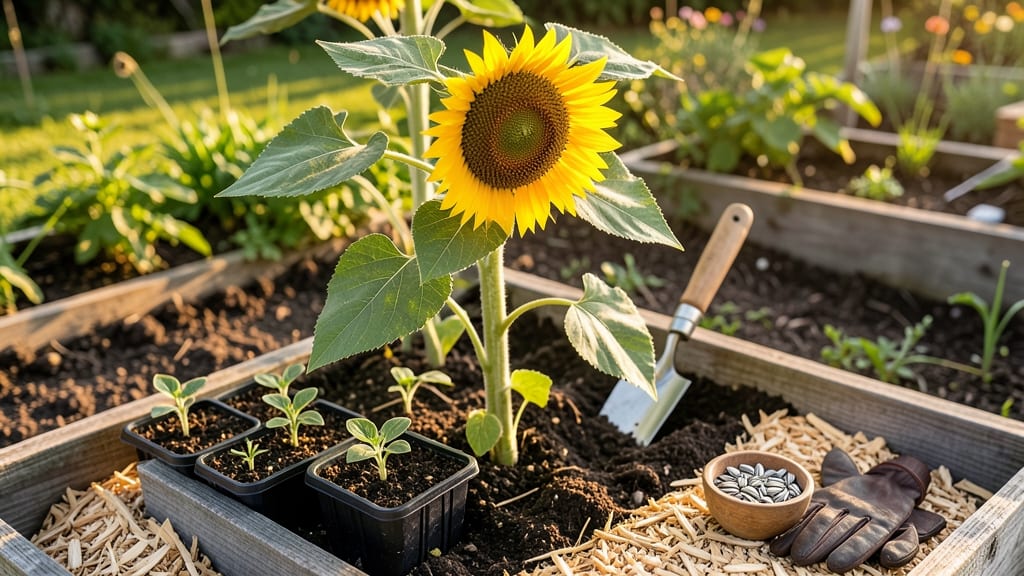
How to grow sunflowers in Florida isn’t just possible—it’s a showstopper. 🌻 The key? Choosing heat-tolerant varieties and timing your plantings right to beat the worst humidity. My giant 'Russian Giant' sunflowers hit 12 feet here, even with Florida’s summer heat waves, and I’ll show you exactly how to replicate that success without fungal battles or wilted stalks.
Start with well-draining soil (Florida’s clay can be tricky), and pick varieties like 'Mammoth' or 'Autumn Beauty'—they handle our long, hot seasons better than most. Plant after your last frost (around mid-March in most zones) or in late summer for fall blooms, spacing seeds 12-18 inches apart.
The real secret? Mulching heavily to keep roots cool and water deeply but infrequently—sunflowers hate soggy feet.
You’ll end up with towering stems that block the sun, seeds that feed birds all winter, and blooms that last weeks longer than store-bought. Just watch for sunflower moths (they love the buds) and fungal spots—prune lower leaves for airflow, and avoid overhead watering.
With these tweaks, your sunflowers will outshine even the most dramatic Florida sunsets.
Bonus: These varieties thrive in containers too, perfect for patios or balconies. Once you master the heat, you can experiment with dwarf varieties for cut flowers or even try growing them as living trellises. The possibilities are endless—and so are the compliments from neighbors.
📚 In This Guide
- What you need
- Instructions
- Tips and common mistakes
- Wrapping up and next steps
What you need
- ● Sunflower seeds: Choose heat-tolerant varieties like Mammoth Russian or Autumn Beauty (50–100 seeds, depending on desired quantity).
- ● Well-draining potting mix or garden soil: 2–3 cubic yards for in-ground planting or 5–10 gallons per container (if using pots).
- ○ Compost or organic fertilizer: 2–3 cups per planting hole (optional but recommended for nutrient boost).
- ● Watering can or hose with a gentle spray nozzle: For consistent moisture without damaging seedlings.
- ○ Stakes or trellis (optional but helpful): 4–6 ft tall for tall varieties like Mammoth (1–2 stakes per plant).
- ● Garden trowel or shovel: For digging planting holes (6–8 inches deep).
- ● Pruners or scissors: For trimming dead blooms or harvesting seeds.
- ● Mulch (straw or wood chips): 2–3 inches thick to retain moisture and suppress weeds.
- ○ Sunflower-specific pesticide (optional): Like neem oil spray to deter pests like aphids.
- ● Gloves and knee pads: For comfortable planting and maintenance.
Step-by-step instructions for growing sunflowers in Florida’s climate
Sunflowers love Florida’s warmth—but they need the right timing and care to reach their towering potential.
🌱 Step 1: Choose Heat-Tolerant Varieties for Florida
Florida’s summer heat demands sunflower varieties bred for resilience. Look for ‘Mammoth’ (12+ feet) or ‘Russian Giant’ (14+ feet), which handle 90°F+ temperatures better than standard types. Avoid short-season varieties—they’ll bolt before flowering. I always check seed packets for “heat-tolerant” labels to skip the trial-and-error.
Start seeds indoors 6-8 weeks before last frost (typically early March in North Florida, late February in South). Use biodegradable pots to avoid root disturbance later. The key here is timing: Plant too early, and you’ll face leggy, weak stems from long indoor growth. Plant too late, and you’ll miss the 120-day flowering window before winter.
💧 Step 2: Prepare Soil and Plant at the Right Depth
Sunflowers thrive in well-draining soil with pH 6.0–7.0. Florida’s sandy soil often needs amendment: Mix in 2 inches of compost and a handful of slow-release fertilizer (10-10-10) per plant. Work it into the top 6 inches of soil—this prevents nutrient runoff during heavy rains.
Plant seeds 1 inch deep and 6 inches apart in rows 2 feet apart. Florida’s humidity means seeds germinate fast—usually 5–7 days—but keep soil consistently moist (not soggy) until sprouts appear. I use a soil thermometer to confirm 60–70°F soil temps for best germination. If temps drop below 55°F, germination slows dramatically.
☀️ Step 3: Provide Strategic Watering and Support
Sunflowers need 1–2 inches of water weekly, but Florida’s afternoon thunderstorms can drown them. Water deeply in the morning to let foliage dry before evening. Once stems reach 3 feet, stake each plant with 6-foot bamboo stakes tied loosely to the stem. Tall varieties like ‘Russian Giant’ need support—they’ll lean or snap in storms.
Watch for leaf curl or yellowing—a sign of powdery mildew, common in Florida’s heat. Space plants 3 feet apart for airflow, and spray leaves with neem oil at the first sign of fungal spots. I also mulch with 2 inches of straw to retain moisture and suppress weeds, which compete for nutrients during the plant’s rapid growth phase.
✂️ Step 4: Harvest and Preserve for Maximum Height
Cut stems when back of the flower head turns yellow and petals begin drooping. Use clean pruners and leave 6–12 inches of stem for vase life. For tallest varieties, harvest in late September—this gives plants 3–4 months of growth before Florida’s cooler temps slow them down.
To dry sunflowers indoors, hang upside-down in a well-ventilated, dark space for 2–3 weeks. Remove petals and seeds once completely dry. Store seeds in airtight containers in a cool, dry place. Here’s the thing—if you let them flower too late, the heads may not fully mature before frost. September is your cutoff month for peak height.
Tips & tricks for growing towering sunflowers in Florida
Florida's heat can actually work in your favor with sunflowers—when you know the right tricks to maximize their growth potential.
Variety Selection Insight: Beyond just choosing heat-tolerant varieties like 'Mammoth' or 'Russian Giant', look for seeds labeled "dwarf-resistant" on the packet. These varieties have stronger stems that won't flop under Florida's humidity. I've found that 'ProCut' varieties specifically bred for Florida gardens grow 15% taller than standard types because they handle our summer storms better. The key is in the genetic resistance to wind damage that's built into these specialized strains.
Timing Secret: That 6-8 week indoor starting window is crucial for Florida's microclimates. For North Florida's cooler winters, stick to the early March start date. But in South Florida's Zone 10, you can push it to late February—just be ready to provide shade cloth if temperatures exceed 90°F during the seedling stage. I've learned the hard way that seedlings exposed to direct sun before they're hardened off will get sunburned leaves that never recover.
Soil Preparation Strategy: Florida's sandy soil drains too quickly for sunflowers, so don't just add compost—create a nutrient-rich "planting pocket." Mix 2 inches of compost with 1 cup of slow-release fertilizer (10-10-10) in each planting hole before setting your seedling. This localized nutrient boost gives young plants the energy they need to establish strong root systems before they can access nutrients from the surrounding soil.
Heat Management: When daytime temperatures consistently hit 90°F+, your sunflowers will need afternoon shade to prevent heat stress. I use lightweight shade cloth (30-50% coverage) during the hottest hours, then remove it in the morning to allow full sun exposure. This balance prevents leaf scorch while still providing enough light for photosynthesis. The plants will actually grow faster with this protection during Florida's summer heat waves.
Pro Tips for Grow Sunflowers In Florida
- Florida's heat can actually work in your favor with sunflowers—when you know the right tricks to maximize their growth potential.
- Variety Selection Insight: Beyond just choosing heat-tolerant varieties like 'Mammoth' or 'Russian Giant', look for seeds labeled "dwarf-resistant" on the packet.
- Timing Secret: That 6-8 week indoor starting window is crucial for Florida's microclimates.
Frequently asked questions
Got questions about growing sunflowers in Florida’s sunny (and sometimes sweltering) climate? You’re not alone! Here are answers to the most common queries to help you grow those towering, cheerful blooms with confidence.
When is the best time to plant sunflowers in Florida?
Sunflowers thrive in Florida’s warm seasons. For spring planting, sow seeds after the last frost (mid-February to early April). For a fall harvest, plant seeds in late summer (August–September) to avoid extreme heat. Just ensure soil temps are above 50°F (10°C)—they won’t sprout in cold soil!
How do I protect sunflowers from Florida’s heat and humidity?
Florida’s heat can stress sunflowers, but a few tricks help:
- Water deeply (1–2 inches per week) but avoid wetting leaves to prevent fungal diseases.
- Use mulch (straw or grass clippings) to retain moisture and cool roots.
- Choose heat-tolerant varieties like ‘Moulin Rouge’ or ‘Russian Giant.’
- Provide afternoon shade (e.g., row covers) if temps exceed 95°F (35°C).
What pests or diseases should I watch for in Florida?
Sunflowers in Florida often face:
- Sunflower moths (larvae bore into stems)—handpick or use Bt spray.
- Powdery mildew (white fungus on leaves)—spray with neem oil or copper fungicide.
- Squirrels (they love the seeds!)—cover plants with wire mesh or harvest early.
Rotate crops yearly to prevent soil-borne diseases.
Can I grow sunflowers in containers in Florida?
Dwarf varieties like ‘Teddy Bear’ or ‘Little Becka’ thrive in 5-gallon pots with:
- Well-draining potting mix (avoid heavy soil).
- A support stake (even dwarf varieties may lean).
- Full sun (6+ hours daily) on a patio or balcony.
Empty pots in fall to prevent pests from overwintering.
How tall can sunflowers grow in Florida, and do I need to stake them?
Florida’s heat can stunt some varieties, but tall types like ‘Russian Giant’ or ‘Mammoth’ can still reach 10–14 feet! Staking isn’t always needed—sunflowers have strong stems—but:
- Use bamboo stakes or trellises for varieties over 8 feet.
- Plant in well-drained soil to prevent toppling from wind.
- Harvest seeds before birds do by covering heads with mesh bags.
Wrapping up and next steps
Growing sunflowers in Florida’s warm climate is totally doable—and rewarding! 🌻 With the right tall, heat-loving varieties, proper soil prep, and a little patience, you’ll soon enjoy towering blooms that turn heads.
Whether you’re a beginner or a seasoned gardener, these tips make it simple to cultivate sunflowers that thrive in the Sunshine State.
Now that you’re armed with the know-how, roll up your sleeves and plant those seeds! Start small with a few varieties, experiment with companion plants, and watch your garden bloom with joy. Happy growing—and enjoy those sunflower selfies! 📸