
Size
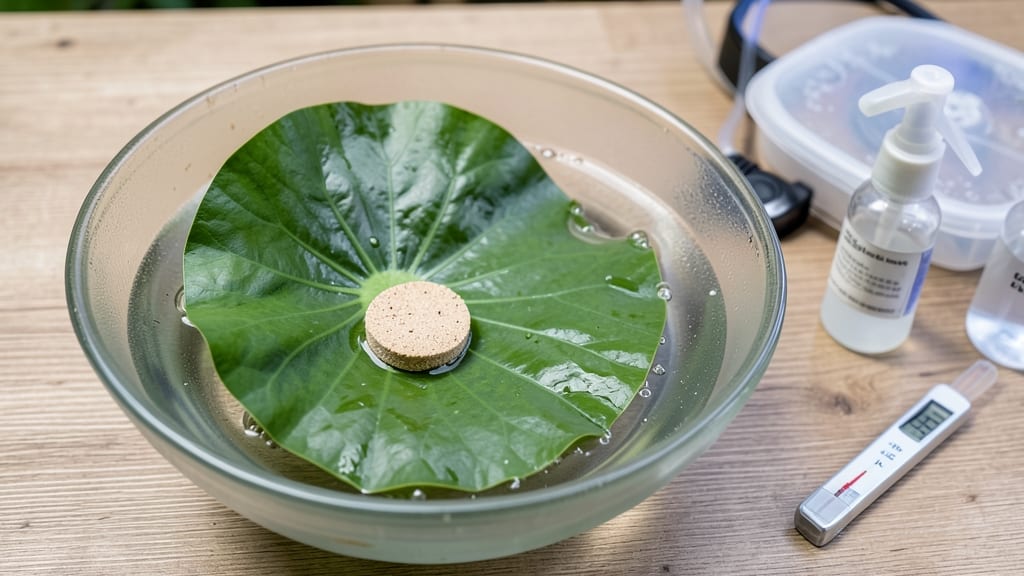
How to grow water lilies in a bowl indoors could soon turn your living room into a serene pond. 🌸 Growing water lilies in a bowl indoors transforms any sunny spot into a mini aquatic sanctuary—no backyard required. The key? Matching the right lily variety to your bowl size and keeping the water just right.
Start with a 10-15 gallon bowl (or larger for tropical varieties) and a submerged pot to anchor the rhizome. Use dechlorinated water—tap water left out for 48 hours or treated with a water conditioner.
Place near a south-facing window or under grow lights for 8+ hours daily, since lilies crave bright, indirect light.
Patience is the secret—your lily might take 4-8 weeks to send up leaves, and blooms could follow in 8-12 weeks. A gentle aerator or small water pump prevents stagnation, and monthly doses of liquid aquatic fertilizer keep roots happy.
The payoff? Velvet petals floating above the water’s surface, like a secret garden in your home.
Watch for algae (cut back light if needed) and keep the water 68-75°F. With proper care, your bowl lily can thrive for years, becoming the centerpiece of any room. Ready to transform a simple container into a living work of art?
📚 In This Guide
- What you need
- Instructions
- Tips and common mistakes
- Wrapping up and next steps
What you need
- ● Water lily plants: 1–2 hardy tropical varieties (e.g., Nymphaea odorata or Nymphaea 'Alba'). Choose potted rhizomes (not bare-root) for easiest indoor growth.
- ● Large, shallow bowl: 12–18 inches in diameter (minimum). Glass or ceramic bowls work best for visibility, but avoid metal (can rust).
- ● Dechlorinated water: 5–10 gallons (use tap water treated with a water conditioner like Seachem Prime or let it sit uncovered for 24 hours).
- ● Gravel or aquarium substrate: 1–2 inches of small pebbles (3–5mm) to anchor roots and prevent decay.
- ● Liquid fertilizer: 1 bottle of balanced aquatic plant food (e.g., Dyna-Gro Grow or Fish Empt—dilute to ½ strength).
- ● Long-handled spoon or tweezers: For gently placing rhizomes in the bowl.
- ○ Water thermometer: Optional but helpful (ideal temp: 70–80°F).
- ● LED grow light: 1–2 full-spectrum bulbs (6000K–6500K) for 8–12 hours/day if natural light is <5 hours/day.
- ○ Air pump & small stone: Optional for gentle oxygenation (prevents stagnation).
- ● Decorative elements: Floating beads, driftwood, or LED tea lights for ambiance!
Step-by-step instructions for growing water lilies in a bowl indoors
Transform any sunny spot into a serene water garden with these simple steps—no pond required.
🪴 Step 1: Select the Right Bowl and Water Source
Choose a wide, shallow bowl at least 12 inches in diameter with a minimum 6-inch water depth—think ceramic, glass, or even a repurposed fishbowl. I prefer unglazed ceramic because it breathes and helps regulate water temperature. Fill it with dechlorinated water (let tap water sit uncovered for 24 hours or use bottled water) to avoid chemical burns on delicate roots.
Water lilies thrive in 65-75°F water, so avoid placing the bowl near drafts, air conditioning vents, or direct heating sources. If your home runs cooler, use an aquarium heater set to 70°F—lilies won’t bloom if the water dips below 60°F. Test depth by floating a 3-inch ruler in the water; adjust by adding or removing water until you hit 6 inches.
🌱 Step 2: Plant the Tubers Correctly
Water lilies grow from tubers (not seeds), and proper planting is everything. Gently place 1 tuber per bowl (since you’re growing 4 plants, you’ll need 4 bowls) with the eyes facing upward—these are the tiny buds where stems will emerge. Bury the tuber just below the soil line (about ½ inch deep) in a small mound of aquatic planting mix (or a 50/50 blend of potting soil and perlite for drainage).
Press the mix lightly around the tuber so it stays in place but doesn’t compact. The key here is partial submersion: the tuber should sit 1 inch below the water’s surface once planted. If your bowl isn’t deep enough, use a small rock to elevate the planting mix. Water lilies are sensitive to rot, so ensure the tuber never sits in stagnant water.
☀️ Step 3: Position for Maximum Light
Water lilies need 6-8 hours of direct sunlight daily to bloom, but morning sun is gentler than harsh afternoon rays. Place your bowls on a south- or west-facing windowsill (or under grow lights if natural light is limited). You’ll know the light is right when the leaves stay dark green—yellowing means too much sun, while pale, stretched leaves signal insufficient light.
Rotate the bowls a quarter turn every 3 days to prevent leaves from leaning toward the light. If you notice brown spots on leaves, the bowl is too close to the glass—move it back 6 inches. In winter, supplement with a full-spectrum LED grow light kept 8-12 inches above the water for 12 hours daily. Lilies won’t bloom without enough light, so don’t skimp here.
💧 Step 4: Maintain Water Quality and Fertility
Change 20% of the water weekly to prevent algae and nutrient buildup. Use a clean cup to scoop out old water and replace it with dechlorinated water at room temperature. Over time, you’ll notice green film on the water’s surface—this is algae, which competes with your lilies for nutrients. Add 1 teaspoon of liquid aquatic fertilizer (like SeaChem Flourish) to the fresh water every 2 weeks to keep blooms vibrant.
Watch for white, fuzzy growth on leaves—this is mold, not algae, and means the water’s too cool. Increase temperature to 72-75°F immediately. If you see yellow leaves, it’s often over-fertilization or root rot. Let the water sit 24 hours before re-fertilizing, and ensure the tuber isn’t buried too deep.
⏰ Step 5: Encourage Blooms and Prune Regularly
Once stems reach 6-8 inches tall, you’ll see buds forming—this is your cue to reduce fertilization to half strength. Overfeeding at this stage leads to leafy growth but no flowers. Snip spent blooms (those that’ve opened and wilted) with clean scissors just above the first set of leaves to encourage new buds. Never cut into the green stem below the bloom—this stresses the plant.
Trim yellow or damaged leaves to the base, but leave healthy green foliage to photosynthesize. In late summer, when blooms slow, reduce water changes to every 10 days and move the bowls to a cooler, shaded spot for a 2-week rest. This mimics their natural dormancy period and sets them up for a stronger spring rebloom.
Tips & tricks for growing water lilies in a bowl
Here's what nobody tells you about keeping your indoor aquatic garden thriving without the guesswork.
Temperature Consistency: The 65-75°F range is non-negotiable for blooms. I've found that placing your thermometer near the water surface—not the air—gives the most accurate reading. If your home fluctuates, consider a small aquarium heater with a built-in thermostat set to 70°F; it's the secret to winter blooms. Even a 5°F drop can delay leaf emergence by weeks, so monitor daily during seasonal transitions.
Lighting Strategy: That 6-8 hours of direct light is your minimum, but don't stop there. I've seen dramatic improvements when I supplement with a grow light on a timer during fall/winter months when daylight shrinks. Position it 12 inches above and use a timer for precise 12-hour cycles—this mimics summer conditions year-round. The key is avoiding "light burn" by keeping the bulb 18 inches away if using high-intensity LEDs.
Rhizome Placement: The half-submerged rule is critical—any deeper and you'll smother those delicate roots. I've learned the hard way that using a small mesh bag (like a produce net) creates perfect buoyancy while preventing the rhizome from floating too high. Pro tip: Gently press the bag into the water until it's just below the surface, then adjust as needed. This simple trick prevents the common mistake of roots drying out or drowning.
Water Maintenance: That 20% weekly water change might seem tedious, but here's the game-changer: Use a turkey baster to remove only the top 20% of water (the warmest, most mineral-rich layer) and replace it with fresh dechlorinated water. This preserves the beneficial bacteria that develop in the water column while preventing mineral buildup. I also add a few drops of liquid fertilizer directly to the new water—it dissolves instantly without disturbing the rhizome.
Pro Tips for Grow Water Lilies In A Bowl Indoors
- Here's what nobody tells you about keeping your indoor aquatic garden thriving without the guesswork.
- Temperature Consistency: The 65-75°F range is non-negotiable for blooms. I've found that placing your thermometer nea...
- Lighting Strategy: That 6-8 hours of direct light is your minimum, but don't stop there. I've seen dramatic improveme...
Frequently asked questions
Can I grow water lilies in any bowl, or are there size/restrictions?
Most water lilies thrive in bowls at least 12 inches wide and deep, with a volume of 5+ gallons to support roots and water quality. Smaller bowls (like 6-inch dishes) work for tiny varieties like Nymphaea 'Pygmaea Helvola', but larger bowls (16"+) give hardy lilies like Nymphaea 'Alba' room to stretch. Avoid shallow dishes—roots need depth!
How long does it take for water lilies to bloom indoors?
Patience is key! Hardy tropical lilies may bloom in 6–12 weeks, while temperate varieties (like Nymphaea 'Aurora') can take 3–6 months to flower indoors. Light, warmth (70–80°F), and consistent care speed things up. Pro tip: If blooms don’t appear, check your bulb’s dormancy cycle—some need a "rest" period after flowering.
Why are my water lily leaves turning yellow or floating weird?
Yellow leaves often signal nutrient deficiency (add liquid fertilizer every 2–4 weeks) or root rot (from stagnant water). Floating leaves? Your lily might be too crowded or lacking depth. Try:
- Trimming excess foliage
- Increasing water circulation (a small air stone helps)
- Ensuring the bowl gets 6+ hours of indirect light daily
Do indoor water lilies need special winter care?
Most tropical lilies hate cold—keep them in 65–75°F year-round. For temperate varieties, reduce light/water slightly in winter (they may go dormant). Pro tip: If your home drops below 50°F, move the bowl to a sunny windowsill or use a small aquarium heater (set to 60°F) to prevent shock.
What’s a low-maintenance alternative to water lilies for bowls?
If lilies feel too finicky, try:
- Water lettuce (Pistia stratiotes): Fast-growing, floats easily, and thrives in warm water.
- Java fern (Microsorum pteropus): Hardy, attaches to rocks/driftwood, and loves low light.
- Anubias: Slow-growing, dramatic leaves, and tolerates cooler temps.
Wrapping up and next steps
Growing water lilies in a bowl indoors is a rewarding way to bring nature’s beauty into your home—no sprawling pond required! 🌸 With the right setup, a little patience, and consistent care, you’ll soon enjoy vibrant blooms floating right on your windowsill.
Start small, experiment with varieties, and don’t hesitate to troubleshoot along the way.
Ready to dive deeper? Next, explore how to propagate your lilies or troubleshoot common issues—like yellowing leaves or slow growth—to keep your indoor oasis thriving. Happy gardening!