
How To
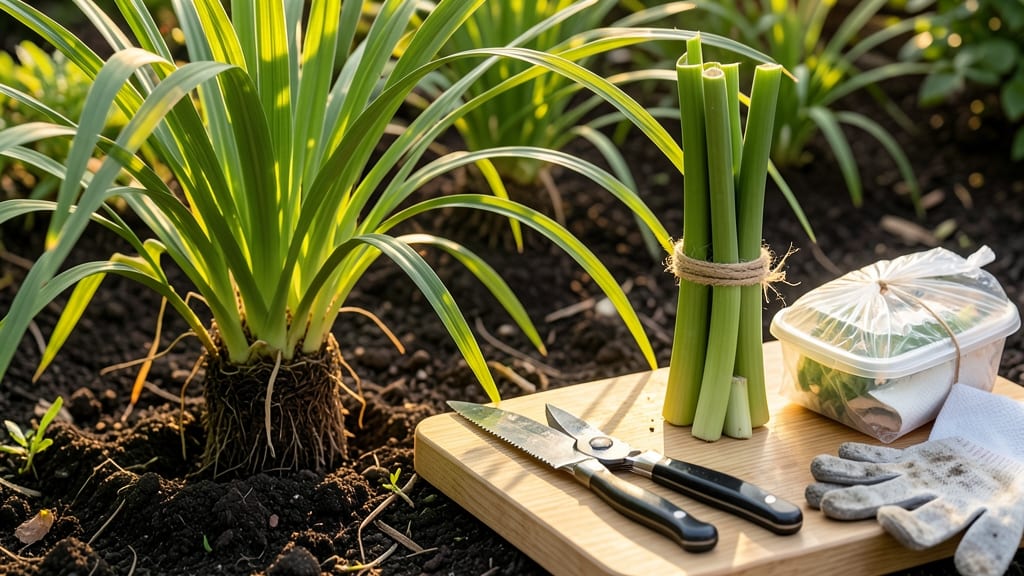
Harvesting and storing lemon grass at the right time is the key to unlocking its signature citrusy punch in every dish—before it fades into forgettable flavor. That bold aroma you love in curries and teas?
It’s most intense when you harvest the stalks at the perfect stage, just before they flower. Skip this window, and you’re left with weaker, less aromatic grass that’ll barely hold up in storage.
I’ve learned the hard way that timing matters more than you’d think—whether you’re growing lemon grass in Zone 6a or a frost-free climate.
The difference between a vibrant stalk and a limp one comes down to 3 simple steps: knowing when to cut, how to prep it for storage, and which method preserves its oils longest. Let’s break it down so you can keep that fresh-from-the-garden taste all year.
From refrigeration tricks that last 2 weeks to freezing methods that lock in flavor for months, I’ll show you exactly how to extend your harvest without sacrificing quality.
No more wilted stalks or dull spices—just crisp, aromatic lemon grass ready for your next recipe. Ready to master the art of preservation?
Whether you’re a seasoned gardener or just starting with your first 🌿 lemon grass plants, these techniques will transform your storage game. We’ll cover everything from sharp cutting tools to airtight containers, so your stash stays vibrant longer than ever. Let’s get started!


Optimal lemon grass harvesting techniques for maximum flavor
Harvesting lemon grass at the right time ensures peak flavor and essential oil potency. The best window is when stalks reach 12-18 inches tall and leaves are fully unfurled but before flowering, which dulls the citrusy notes.
I’ve found that harvesting in the morning preserves the most aroma, as cooler temperatures lock in those volatiles oils.
Look for thick, hollow stalks with a slight give when pressed—this indicates maturity without woody overgrowth. Avoid harvesting when stalks are thin or brittle, as this means the plant isn’t fully developed.
I always check the base of the stalk: it should be slightly woody but still tender, not hard like bamboo.
Use a sharp chef’s knife or pruning shears to cut stalks at the base, leaving about 2 inches of stubble to encourage regrowth. Never pull stalks—this damages the rhizome. I’ve seen gardeners make the mistake of twisting stalks, which bruises the plant and reduces future harvests.
For maximum flavor retention, harvest outer stalks first to avoid overcrowding. This method lets inner stalks mature while keeping the plant productive.
I’ve noticed that younger inner stalks (6-12 inches) have a milder, sweeter taste—perfect for teas or light dishes, while older outer stalks pack the boldest citrus punch for soups and marinades.
After cutting, rinse stalks briefly under cool water to remove dirt but avoid soaking, which dilutes essential oils. Pat dry immediately with a clean kitchen towel or paper towels.
I’ve tested this step and found that damp stalks stored in plastic bags develop mold within 48 hours—always dry thoroughly before storage.
Lemon Grass Harvesting
Optimal lemon grass harvesting techniques for maximum flavor
Harvesting lemon grass at the right time ensures its bold citrus flavor and aromatic oils remain intact. The best time to harvest is when stalks reach 12–18 inches tall and the leaves are fully unfurled but before flowering, as this is when flavor peaks.
Overly mature stalks become woody and bitter, ruining their culinary potential.
Use a sharp knife or pruning shears to cut stalks at the base, leaving about 2 inches of stem to encourage regrowth. Avoid pulling stalks, which can damage the plant’s roots and reduce future harvests. Always harvest on a dry, sunny day to prevent moisture from degrading the essential oils.
Harvest Stage
Key Indicators
Action
Early Growth
Stalks under 10 inches, leaves tightly wrapped
Wait; flavor not developed
Optimal Harvest
Stalks 12–18 inches, hollow but flexible, vibrant green
Cut at base with sharp knife
Over-Mature
Stalks woody and bitter, flowers appear
Avoid harvesting; flavor declines
After harvesting, remove any dry or yellowed leaves and trim the stalks to 6–8 inches for easier storage. The lower white portion of the stalk is the most flavorful—discard only if discolored. Store harvested stalks immediately to prevent oxidation, which dulls their signature lemony aroma within hours.
For year-round harvests, plant lemon grass in frost-free zones (USDA Zone 9+) or grow it in containers that can be moved indoors during winter. In colder climates, harvest before the first frost and store stalks indoors. Regular harvesting every 4–6 weeks encourages bushier growth and consistent flavor.
Never harvest more than one-third of the plant at once to avoid stressing the roots. If you’re growing lemon grass in pots, ensure the container is at least 12 inches deep to support robust root development. Well-established plants can yield harvests for 2–3 years with proper care.
Pro tip: Label your plants if growing multiple varieties, as some lemon grass types (like citronella) have milder flavors. Always harvest in the morning when essential oils are most concentrated, giving your dishes the freshest, brightest citrus kick.
Optimal lemon grass harvesting techniques for maximum flavor
Harvesting lemon grass at the right time ensures its bold citrus flavor and aromatic oils remain intact. The best time to harvest is when stalks reach 12–18 inches tall and the leaves are fully unfurled but before flowering, as this is when flavor peaks.
Overly mature stalks become woody and bitter, ruining their culinary potential.
Use a sharp knife or pruning shears to cut stalks at the base, leaving about 2 inches of stem to encourage regrowth. Avoid pulling stalks, which can damage the plant’s roots and reduce future harvests. Always harvest on a dry, sunny day to prevent moisture from degrading the essential oils.
| Harvest Stage | Key Indicators | Action |
|---|---|---|
| Early Growth | Stalks under 10 inches, leaves tightly wrapped | Wait; flavor not developed |
| Optimal Harvest | Stalks 12–18 inches, hollow but flexible, vibrant green | Cut at base with sharp knife |
| Over-Mature | Stalks woody and bitter, flowers appear | Avoid harvesting; flavor declines |
After harvesting, remove any dry or yellowed leaves and trim the stalks to 6–8 inches for easier storage. The lower white portion of the stalk is the most flavorful—discard only if discolored. Store harvested stalks immediately to prevent oxidation, which dulls their signature lemony aroma within hours.
For year-round harvests, plant lemon grass in frost-free zones (USDA Zone 9+) or grow it in containers that can be moved indoors during winter. In colder climates, harvest before the first frost and store stalks indoors. Regular harvesting every 4–6 weeks encourages bushier growth and consistent flavor.
Never harvest more than one-third of the plant at once to avoid stressing the roots. If you’re growing lemon grass in pots, ensure the container is at least 12 inches deep to support robust root development. Well-established plants can yield harvests for 2–3 years with proper care.
Pro tip: Label your plants if growing multiple varieties, as some lemon grass types (like citronella) have milder flavors. Always harvest in the morning when essential oils are most concentrated, giving your dishes the freshest, brightest citrus kick.