
Picking
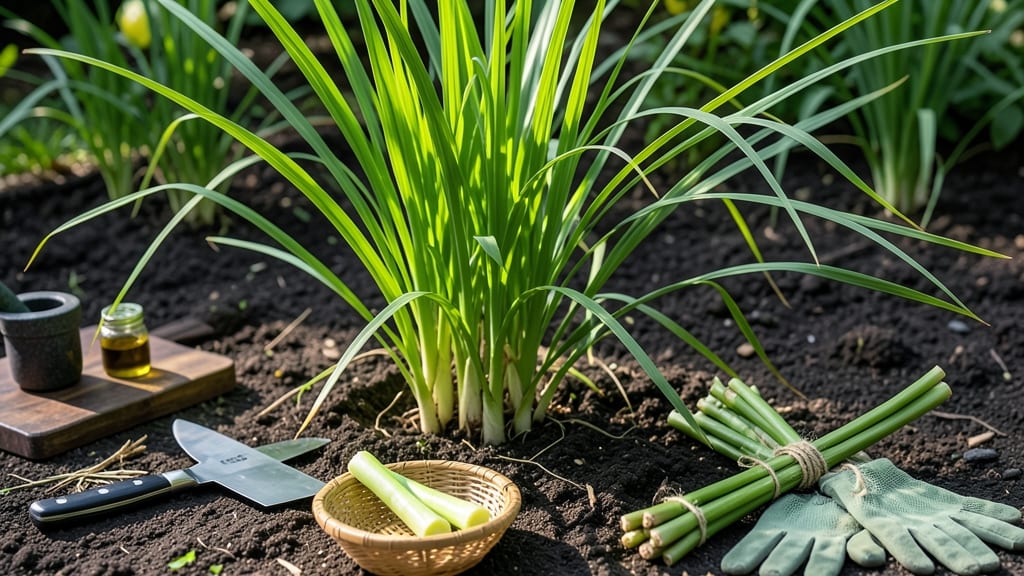
Here’s how to harvest and use lemongrass like a pro: stalks are ready when they reach 12-18 inches tall and feel firm but slightly pliable—like a fresh asparagus spear. ✨ I've learned the hard way that harvesting too early means weak flavor, while waiting too long risks woody stems that ruin dishes.
The best time? Morning after rain, when oils are concentrated and leaves glisten with dew.
Start by cutting stalks 2-3 inches above the base with clean shears or a sharp knife—this encourages new growth. For maximum yield, harvest 3-4 stalks per plant every 6-8 weeks, always leaving at least 6 inches of stem to regrow.
Store harvested stalks upright in water (like flowers) in the fridge for up to 2 weeks, or freeze whole stalks for later use.
You'll unlock bright citrusy notes in curries, teas, and marinades that store-bought bundles can't match. The trick is using the lower 6-8 inches of stalk (discard the fibrous top) and bruising it gently with a rolling pin before chopping—this releases essential oils for intense flavor payoff.
Overgrowth? Thin stalks to 6-8 inches apart to prevent competition.
Even experienced gardeners struggle with yellowing leaves—this means your plant needs more sunlight or water. And if stalks turn bitter? You harvested too late. The sweet spot? Harvest young, store smart, and repeat—your kitchen (and taste buds) will thank you.
📚 In This Guide
- What you need
- Instructions
- Tips and common mistakes
- Wrapping up and next steps
What you need
- ● Fresh lemongrass stalks: 5–10 mature stalks (3–4 feet tall, with tight, pale green leaves at the base). Look for firm, vibrant stalks with no brown spots.
- ● Sharp kitchen knife or pruning shears: A 10-inch chef’s knife or bypass pruners for clean cuts. Avoid dull tools—they crush the stalk!
- ● Cutting board: A large, stable board (12" x 18" or bigger) to protect your countertops and keep things tidy.
- ● Measuring tape or ruler: For trimming stalks to your desired length (typically 6–8 inches for culinary use).
- ● Plastic wrap or reusable silicone bags: To store fresh lemongrass in the fridge for up to 2 weeks.
- ● Freezer-safe bags or containers: For long-term storage (up to 6 months).
- ○ Mortar and pestle (optional but handy): For crushing lemongrass to release oils, especially for teas or pastes.
- ● Food processor or blender: For making lemongrass paste or infused oils.
- ● Citrus juicer: If you plan to blend lemongrass with lime/lemon for marinades.
- ● Glass jars with lids: For infusing lemongrass in oils, vinegars, or syrups.
- ● Rubber mallet: Gently taps stalks to soften them before cutting (great for stubbornly tough stalks!).
- ● Labeling markers: To date your stored lemongrass and track freshness.
Step-by-Step instructions for harvesting and using fresh lemongrass
Here's how I extract maximum flavor from each stalk—no waste, just pure citrusy goodness.
✂️ Step 1: Select and Prepare the Stalk
Choose stalks that are firm, green, and free of brown spots or dry patches—they're at peak flavor when still slightly tender. I like to harvest when the stalks reach about 12-18 inches tall, as they become fibrous and less aromatic as they mature. Use a sharp chef's knife or pruning shears to cut the stalk cleanly about 2 inches above the base.
Real talk: the lower 6-8 inches of the stalk contains the most concentrated oils and flavor. I discard the woody, dried upper portion unless I'm making a long-simmering broth where every bit counts. For immediate use, peel away the tough outer leaves by hand or with a vegetable peeler, exposing the tender inner core.
🌿 Step 2: Extract and Measure the Flavor Base
Split the stalk lengthwise into three sections. For most recipes, I use the middle 6-inch section—this gives the perfect balance of aroma and texture. Hold the stalk vertically and make a clean cut with your knife, then separate the three sections. The inner core should reveal a bright green, juicy center packed with essential oils.
Here's the thing—you don't need the whole stalk for every dish. For a single pot of curry, 1-2 inches of the lower stalk (about 1/4 cup chopped) delivers enough flavor. I keep a small cutting board dedicated just to lemongrass—it makes cleanup easier and prevents cross-contamination with other aromatics.
💧 Step 3: Choose Your Extraction Method
For immediate use, I pound the stalk lightly with the flat side of a knife or rolling pin to release oils. This works best for marinades, quick stir-fries, or anything where you'll remove the stalk after cooking. Place the stalk in a zip-top bag with 1/2 cup ice cubes and pound until the ice melts—this creates a concentrated infusion you can strain directly into sauces.
For deeper flavor extraction, simmer the stalk in 1 cup water for 10-15 minutes. The water will turn a pale golden color with a bright citrus aroma. Strain and use this infusion as a base for soups, dressings, or cocktails. I always make extra and freeze it in ice cube trays—each cube equals about 1 teaspoon of lemongrass flavor.
☀️ Step 4: Store Remaining Stalk for Future Use
Never throw away the fibrous upper portions or leftover stalks. Bundle them tightly and store in a sealed plastic bag in the refrigerator for up to 2 weeks. For longer storage, wrap the stalks in aluminum foil and freeze them—they'll keep their aroma for 6 months. When ready to use, simply thaw and process as needed.
I like to save the dried stalks for homemade broths or tea blends. The dried form loses some moisture but retains about 70% of its original flavor. To revive, soak the dried stalk in warm water for 10 minutes before using in recipes. This works especially well for slow-cooked dishes where the flavor can develop fully.
Tips & tricks for perfect lemongrass flavor extraction
Between us, lemongrass is one of those ingredients where a little knowledge makes all the difference—especially when you're dealing with such a potent, aromatic herb. Here's what nobody tells you about getting the most out of every stalk.
Selection Tip: The stalk's age matters more than you might think. When harvesting, look for stalks that are still slightly tender—this means they haven't reached that woody stage where the flavor becomes muted. I've found that stalks between 12-18 inches tall give the perfect balance of aroma and texture. If you're buying from a market, ask for the freshest stalks—they should snap cleanly when bent, not bend with resistance.
Cutting Strategy: That 2-inch base you're instructed to cut off isn't just for looks—it's where the most concentrated oils gather. When you cut the stalk lengthwise into three sections, save the bottom third for broths or long-cooked dishes where you can let those flavors develop fully. The middle 6-inch section is your workhorse for most recipes, delivering that bright citrus punch without overpowering.
Extraction Hack: The ice cube method in Step 3 might seem unusual, but trust me on this—those 1/2 cup ice cubes serve two purposes. First, they create a cold shock that helps release more essential oils from the stalk. Second, they act as a natural strainer when you melt them, giving you a ready-to-use infusion without extra effort. For best results, use freshly chopped ice rather than cubes that have been sitting in your freezer for weeks.
Storage Wisdom: When freezing leftover stalks, don't just toss them in a bag—wrap each bundle tightly in aluminum foil first. This prevents freezer burn and preserves that bright aroma for up to 6 months. I like to label each bundle with the date and intended use (like "curry base" or "broth booster") so I can grab exactly what I need without thawing everything. For refrigerator storage, keep those 2-week limits in mind—after that, the flavor starts to degrade noticeably.
Pro Tips for Harvest And Use Lemongrass
- Between us, lemongrass is one of those ingredients where a little knowledge makes all the difference—especially when ...
- Selection Tip: The stalk's age matters more than you might think. When harvesting, look for stalks that are still sli...
- Cutting Strategy: That 2-inch base you're instructed to cut off isn't just for looks—it's where the most concentrated...
Frequently asked questions
Got questions about harvesting and using lemongrass? You’re not alone!
Here are some of the most common queries—plus quick, practical answers to keep your kitchen (and your recipes) fresh and flavorful.
When is the best time to harvest lemongrass?
The ideal time to harvest lemongrass is when the stalks are mature but still tender—usually 6–12 months after planting. Look for stalks that are 3–4 feet tall with vibrant green leaves. Avoid harvesting during extreme heat or frost, as the plant’s oils (which carry the flavor) can become concentrated or diluted. Early morning is best for maximum potency!
How do I know if I’m cutting lemongrass correctly?
Always trim lemongrass about 6 inches above the base to encourage regrowth. Use a sharp knife or pruners to make a clean cut—never pull or twist, as this can damage the plant. Focus on the lower 6–8 inches of the stalk, where the flavor is strongest. The top leaves are edible but milder; save them for garnishes or teas!
Can I use dried lemongrass instead of fresh?
Yes! Dried lemongrass works in a pinch, but it’s less potent and best for teas, broths, or long-cooked dishes (like curries). To dry, tie stalks in bundles and hang upside down in a warm, dark place for 1–2 weeks. Once brittle, strip the leaves and store in an airtight container. For fresh-like flavor, reconstitute dried lemongrass in warm water for 10 minutes before using.
Why does my lemongrass taste bitter or weak?
Bitter or weak flavor usually means the stalk is too old or overmature. Younger stalks (under 1 year) are sweeter and more aromatic. If your lemongrass tastes bland, check for these issues:
- Underwatering: Lemongrass needs 1–2 inches of water weekly (more in hot climates).
- Sun exposure: Too much direct sun can make oils harsh. Aim for partial shade.
- Poor soil: Use well-draining, slightly acidic soil (pH 5.5–6.5) rich in organic matter.
How long does fresh lemongrass last, and how should I store it?
Fresh lemongrass stays crisp in the fridge for 2–3 weeks if stored properly. Trim the roots, wrap the stalks in a damp paper towel, and place them in a resealable bag. For longer storage (up to 6 months), freeze the stalks whole or chopped in a bag with a splash of water. Thaw as needed—no need to rinse off the ice!
Wrapping up and next steps
Harvesting and using fresh lemongrass is a rewarding way to elevate your cooking with its bright, citrusy aroma and health benefits! Whether you’re drying stalks, making pastes, or infusing oils, the process is simple and versatile—perfect for both beginners and seasoned chefs. 🌿
Now that you’re equipped with the know-how, why not experiment with a new recipe this week? Try blending lemongrass into a zesty marinade, a soothing tea, or a fragrant curry. Your taste buds (and kitchen!) will thank you.