
How To
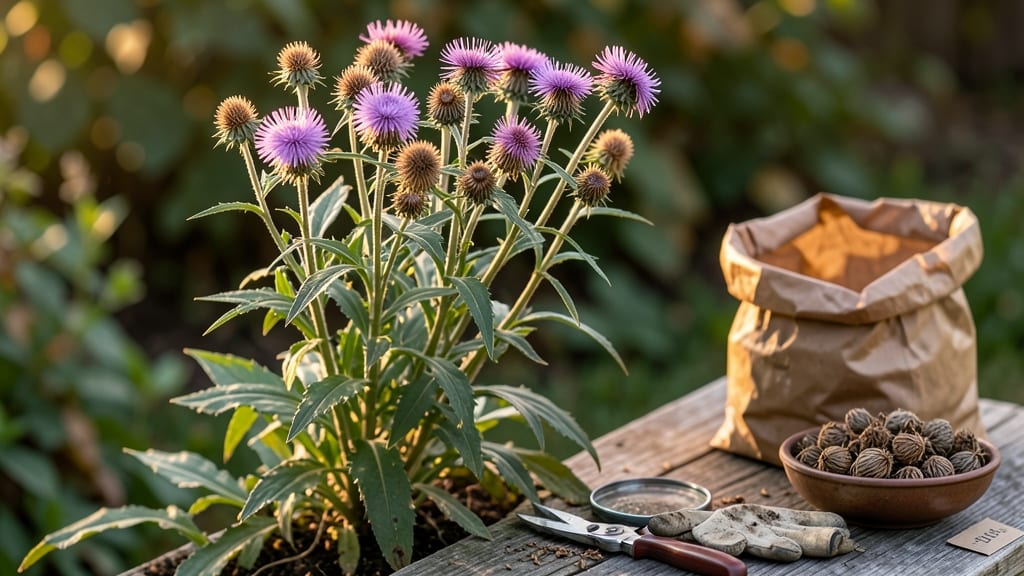
Want to learn how to harvest aster seeds for stronger, hardier blooms next year without spending a dime?
The secret lies in harvesting their seeds at the perfect moment—before they scatter into the wind or lose viability. Aster 🌼 seeds are your ticket to free, homegrown blooms, but timing and technique make all the difference.
Most gardeners miss the ideal window, either collecting too early (when seeds aren’t mature) or waiting too long (when they’ve already dropped). I’ve learned the hard way—skipping this step means weaker plants or wasted effort.
The good news? With just 5 minutes of attention and the right tools, you can preserve seeds that’ll sprout into vibrant late-summer favorites.
In this guide, I’ll walk you through the exact signs to look for—dry, brown seed heads that rattle when shaken—and when to act (hint: it’s not when the flowers first fade).
You’ll also discover how to store seeds properly so they stay fresh for up to 2 years**, plus common mistakes that even experienced gardeners overlook.
Ready to turn this year’s asters into next year’s showstopper? Let’s get started—your future garden (and wallet) will thank you.


When to harvest aster seeds for maximum viability and germination
Aster seeds reach their peak viability when harvested at the right moment—typically late summer to early fall, just before the first frost. This timing ensures seeds have fully matured but haven’t been exposed to prolonged moisture or cold, which can reduce germination rates.
In USDA Zone 6a, aim for August through September, aligning with your local frost-free window.
Look for dry, brown seed heads that rattle when shaken—a clear sign seeds are ready. The flower petals should have fallen off naturally, leaving only the papery seed casing. Harvesting too early risks collecting immature seeds, while waiting too long may mean seeds scatter naturally or lose viability.
Regional adjustments matter! In warmer climates (Zones 8-10), extend harvest time into early October, while in colder zones (3-5), prioritize late August to avoid early frosts. Always check seed head color: uniform brown means go; green or soft means wait.
Environmental cues like decreasing daylight and cooler nights signal aster plants to shift from blooming to seed production. These natural triggers help you time harvests perfectly without relying solely on calendars. Pay attention to your plants—they’ll tell you when it’s time!
Pro Tip: Harvest on a dry, sunny day to prevent moisture from clinging to seeds. Morning harvests work best, as dew can create humidity that encourages mold. Use clean pruning shears or scissors to snip seed heads cleanly, leaving a small stem attached for easier handling.
| Stage | Seed Head Appearance | Best Time to Harvest | Climate Notes |
|---|---|---|---|
| Early Maturity | Brown but still slightly green | Wait 1-2 weeks | Warm zones (8-10) |
| Peak Viability | Uniformly brown, papery, rattles | Harvest immediately | Zones 6a-7b |
| Late Maturity | Crispy, seeds scatter easily | Harvest before scattering | Cold zones (3-5) |
After harvesting, lay seed heads on a clean, dry surface (like newspaper or a mesh screen) in a well-ventilated area for 1-2 weeks. This final drying step is crucial—it prevents mold and ensures seeds remain viable. Avoid direct sunlight, which can over-dry seeds and reduce germination rates.
Store dried seeds in paper envelopes or breathable cloth bags labeled with the harvest date and aster variety. Keep them in a cool, dark place (like a seed vault or fridge) where temperatures stay between 32-41°F (0-5°C).
Properly stored aster seeds retain viability for 1-2 years, though germination rates drop after year one.
If you’re unsure whether seeds are fully dry, perform the "float test": Drop a few seeds in water. Viable seeds sink; hollow or moldy ones float.
This quick check saves you from storing bad seeds and ensures your next planting season starts strong. Test a small batch before committing to full storage!
Remember, patience pays off with aster seeds. Rushing the harvest or skipping the drying process can lead to poor germination. When done right, you’ll enjoy hardier, more vibrant asters year after year—all from seeds you saved yourself. Happy harvesting!
When to harvest aster seeds for maximum viability and germination
Timing is everything when harvesting aster seeds. Collect them too early, and the seeds won’t germinate well. Harvest too late, and they’ll scatter naturally, wasting your effort.
The ideal window is late summer to early fall, typically August to September, when flower heads turn uniformly brown and crispy.
Look for these key signs: flower petals have fallen off, seed heads rattle when shaken, and no green remains. These cues mean the seeds are mature and ready for collection. In USDA Zone 6a, aim for harvest just before the first frost—around October 15—to prevent seed loss.
Regional adjustments matter. In warmer climates, like Zone 8+, seeds may mature earlier (July-August). In colder areas (Zone 5 or below), wait until late September to avoid frost damage. Always prioritize dry, sunny days for harvesting to ensure seeds aren’t damp.
🌼 Pro Tip: Harvest in the morning when dew has evaporated but before midday heat dries out the seed heads too quickly.
🌱 Aster Seed Harvest Timeline
| Stage | Action | Key Signs |
|---|---|---|
| Early Summer | Monitor blooms | Petals open fully |
| Late Summer | Check seed heads | Petals fall off |
| Early Fall | Harvest seeds | Brown, crispy heads |
| Post-Harvest | Store seeds | Dry, cool, dark place |
Harvesting at the right time ensures high germination rates (up to 90%) for next season’s asters. If you miss the window, seeds may scatter naturally or lose viability. Always collect seeds from healthy plants—avoid those with diseased foliage or pests to prevent contamination.
🌿 Climate Note: In areas with humid summers, like the Southeast, prioritize harvesting when humidity drops below 60% to prevent mold during drying.
Once you’ve identified the perfect harvest window, move quickly to extract and store seeds properly. The next section covers the exact steps to maximize seed quality and longevity.