
How To
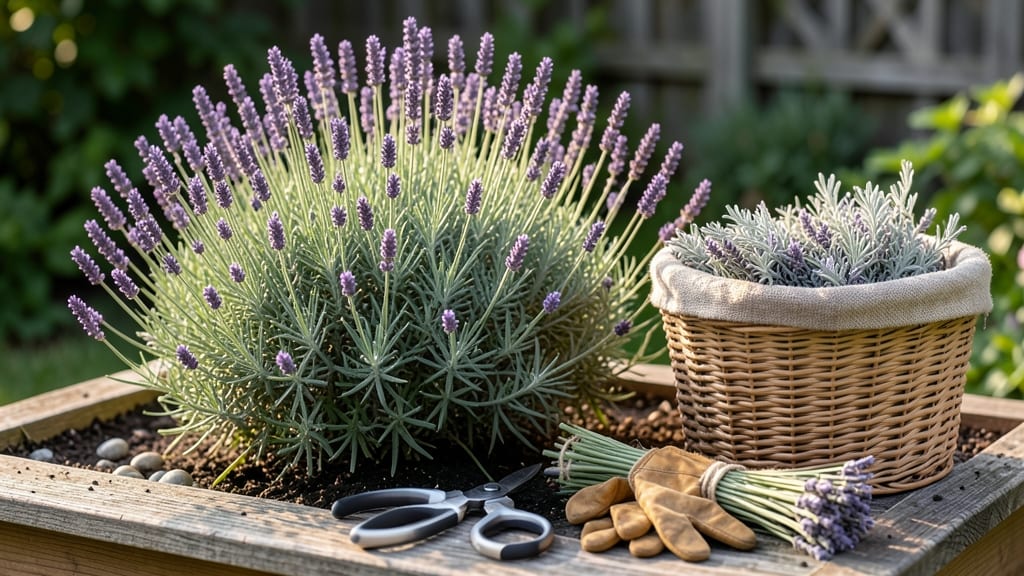
Harvesting English lavender 🌿 at the wrong time means losing its signature fragrance—or worse, damaging your plant. The secret lies in timing: cutting when buds are just beginning to open, but before they fully bloom, ensures the strongest aroma and oil content.
Most gardeners in USDA Zone 6a know the struggle—wait too long, and you end up with floppy stems and faded scent. But get it right, and you’ll unlock a harvest that’s perfect for drying, cooking, or crafting.
I’ve tested the best methods over the years, and what works isn’t just about when you cut—it’s also about how you do it.
In this guide, I’ll walk you through the exact late spring to early summer window (June to July) for peak harvest, plus the tools and techniques to prune without harming your plant.
You’ll also discover how to store your harvest for long-lasting fragrance, whether you’re making lavender sachets or infusing oil.
Ready to transform your garden into a fragrant haven? Let’s dive into the step-by-step process that’ll have your lavender thriving—and your harvest smelling like a boutique spa.


When to harvest English lavender for maximum aroma and oil content
Harvesting English lavender at the right time transforms your garden into a fragrant treasure trove. The key is timing—cutting too early wastes potential, while waiting too long reduces aromatic oils and flavor.
I’ve learned that late spring to early summer (June–July in most climates) is prime time, when buds tighten but haven’t fully bloomed.
Why does timing matter so much? Lavender’s essential oils peak when buds are just opening—about 1/3 unfurled. At this stage, the plant’s energy is concentrated in the flower buds, not yet diluted by fully opened blooms.
Harvesting later means weaker fragrance and lower oil content, which is especially critical if you’re drying stems for sachets or extracting oils.
Seasonal shifts play a role too. In cooler climates (USDA Zone 6a)**, aim for early June harvests, while warmer regions can extend cuts into July. Always check for woody stems and fragrant leaves—these are your green lights for harvest readiness.
| Harvest Stage | Key Characteristics | Best For |
|---|---|---|
| Early Bud (Tightly Closed) | Stems soft, buds unopened, minimal aroma | Not ideal; wait for buds to swell |
| Ideal Harvest (1/3 Open) | Bud tips unfurling, woody stems, strong scent | Drying, oils, culinary uses |
| Late Harvest (Fully Open) | Blooms wide open, stems may soften, weaker aroma | Fresh bouquets only; reduced oil content |
Weather conditions also influence harvest quality. Avoid cutting after heavy rain—moisture dilutes essential oils and can cause mold during drying. Early morning harvests are ideal because dew hasn’t dried yet, and stems are crisp.
If you must harvest later in the day, wait until mid-morning to let dew evaporate naturally.
Pro tip: Crush a few leaves before harvesting. If they release a rich, floral scent, your lavender is ready. If the aroma is faint, wait another 3–5 days. This simple test saves time and ensures you’re harvesting at peak potency.
First-time harvesters often worry about damaging the plant. English lavender is hardy, but over-harvesting can stress it. Never cut more than 1/3 of the plant’s growth in a single session. This rule keeps your lavender bushy and encourages regrowth for future harvests.
Did you know? English lavender’s oil content peaks at 1/3 bloom—this is when commercial growers harvest for perfumes and cosmetics. Home gardeners can achieve similar potency with proper timing and care.
For year-round harvests, plant lavender in well-draining soil with full sun exposure. Consistent care pays off with multiple harvests per season. Just remember: patience is key—rushing the harvest means missing out on that signature lavender scent.
🌿
When to harvest English lavender for maximum aroma and oil content
Timing is everything when it comes to harvesting English lavender. The best harvest window occurs when flower buds are just beginning to open—about one-third bloomed—but before they fully burst into color.
This stage, typically in late spring to early summer, ensures the highest aromatic oil content and fragrance intensity.
Harvesting too early means underdeveloped buds with weak scent, while waiting too long results in fully open flowers that lose their essential oil potency.
The ideal moment is when you can see the tiny purple tips peeking through the buds—this signals peak flavor and fragrance for both culinary and aromatic uses.
| Harvest Stage | Visual Cues | Best Time of Day | Seasonal Window |
|---|---|---|---|
| Early Bud Stage | Tight buds, no color showing | Morning (after dew dries) | Not ideal—wait longer |
| Ideal Harvest (1/3 Open) | Purple tips visible, buds swollen | Morning (6-9 AM) | Late spring-early summer |
| Over-Mature (Fully Open) | Bright purple blooms, soft stems | Avoid—low oil content | Late summer (past peak) |
Seasonal differences matter too. In cooler climates (USDA Zones 5-7), aim for harvests in June or early July, while warmer zones (Zones 8+) may extend the window into August. Always check the weather forecast—harvest on dry, sunny mornings to maximize essential oil concentration and prevent mold.
Pro tip: If you miss the ideal window, you can still harvest fully bloomed lavender for drying or crafts, but the aroma and culinary quality will be noticeably weaker.
For the best results, prioritize those tight buds with just a hint of purple—your nose (and taste buds) will thank you!
After harvesting, avoid washing the stems—this strips away the natural oils that give lavender its signature scent. Instead, bundle and dry immediately to preserve that fresh, herbal aroma for months to come.
🌿