
How To
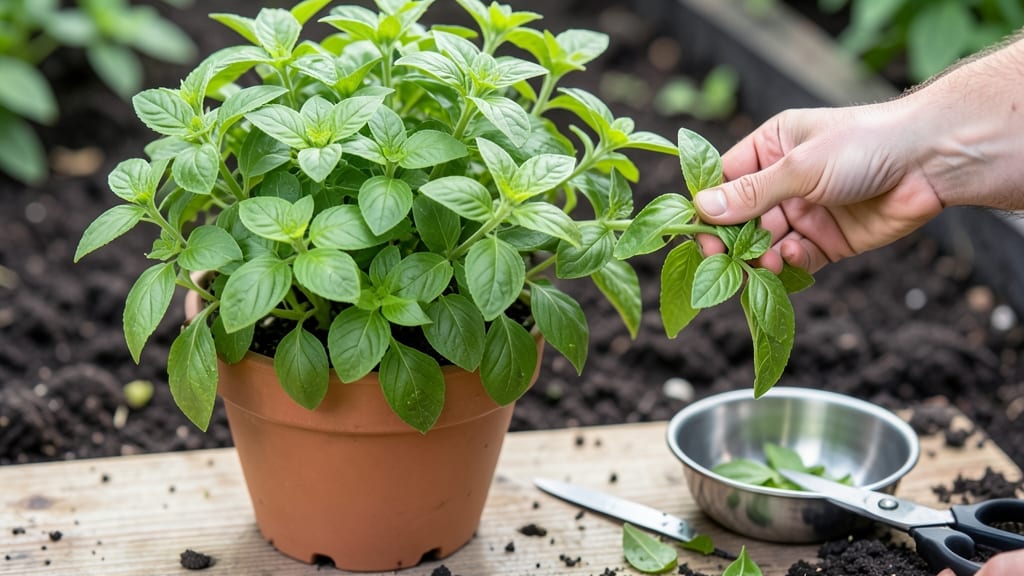
Harvesting lemon basil at the right time transforms your kitchen from bland to bright with that signature citrusy punch—but doing it wrong can leave you with a sad, leggy plant instead of a thriving 🍋 powerhouse.
I’ve learned the hard way that timing and technique matter more than you’d think. Whether you’re growing lemon basil in containers or garden beds, knowing when to snip those glossy leaves ensures your plant keeps producing flavorful harvests all season long.
In this guide, I’ll walk you through the best practices for harvesting lemon basil, from identifying the perfect leaves to simple pruning tricks that encourage bushier growth.
You’ll also discover how to store your harvest for maximum freshness—whether you’re drying it, freezing it, or using it fresh in your favorite dishes.
Ready to turn your lemon basil into a year-round flavor factory? Let’s get started with the basics that’ll keep your plant happy and your meals bursting with that zesty taste.


When and how to harvest lemon basil for maximum flavor and growth
Harvesting lemon basil at the right time and with the proper technique ensures you get the brightest flavor while encouraging your plant to grow bushier and healthier.
Unlike other herbs, lemon basil thrives when you prune it regularly, so think of harvesting as a way to boost production, not just a way to collect leaves.
The key is timing—wait until your plant has 4-6 true leaves and is at least 6-8 inches tall before making your first cut.
For the best flavor, harvest your lemon basil in the morning after the dew has dried but before the sun gets too intense. This is when the essential oils that give lemon basil its signature citrusy aroma are at their peak.
Avoid harvesting after heavy rain or late in the day, as the leaves may taste bitter or waterlogged. If you’re unsure whether your plant is ready, crush a leaf between your fingers—if it smells strongly of lemon and clove, it’s harvest-ready!
You’ll need just a few basic tools to harvest lemon basil: a pair of sharp scissors or pruning shears (to avoid crushing stems), a clean cutting board, and a small bowl or container for storing your harvest.
Keep your tools clean and sanitized to prevent the spread of bacterial or fungal diseases, which can weaken your plant over time. Disinfect them with a 10% bleach solution or rubbing alcohol before and after each use.
Step-by-Step Guide to Harvesting Lemon Basil
-
Step 1: Choose the Right Leaves
Select the outer leaves or the top sets of leaves first. These are the oldest and largest, and removing them encourages new growth from the center of the plant. Avoid cutting into the woody stems at the base, as this can harm the plant.
-
Step 2: Make the Cut
Use your sharp scissors to cut just above a leaf node (the point where a leaf meets the stem). This encourages the plant to branch out and grow more leaves. Aim to cut 1/3 of the plant’s height at a time to avoid stressing it.
-
Step 3: Harvest Regularly
Lemon basil grows quickly, so you can harvest every 2-4 weeks during its active growing season (spring to fall). Regular harvesting prevents the plant from becoming leggy or woody, which reduces flavor and yield.
-
Step 4: Store Properly
Place your harvested leaves in a sealed container with a paper towel to absorb moisture. Store them in the refrigerator for up to 1 week or freeze them in an ice cube tray with water for later use in cooking or teas.
-
Step 5: Monitor Plant Health
After harvesting, check your plant for signs of stress or pests. If the stems look yellow or wilted, it may need more sunlight or water. If you notice aphids or spider mites, treat them immediately with neem oil or insecticidal soap.
One of the most common mistakes gardeners make is over-harvesting lemon basil, which can weaken the plant and reduce its ability to produce new leaves.
Never take more than 1/3 of the plant in a single session, and always leave at least 6-8 inches of growth to ensure the plant can recover.
If your lemon basil starts to look sparse or leggy, it’s a sign you’ve been harvesting too aggressively or that it needs more sunlight or nutrients.
Did you know that harvesting lemon basil can actually enhance its flavor? When you prune the plant regularly, it focuses its energy on producing new, tender leaves that are packed with aromatic oils.
The older, larger leaves tend to be more bitter, so by always harvesting the outer leaves first, you’re ensuring that the inner leaves remain flavorful and tender. This technique also keeps your lemon basil compact and bushy, making it easier to manage in containers or garden beds.
If you’re growing lemon basil in a container, harvesting becomes even more critical. Since container-grown plants have limited root space, they rely on regular pruning to stay healthy.
After each harvest, give your container-grown basil a light fertilizer (like a balanced 10-10-10 mix) to replenish nutrients lost during pruning. This will help your plant bounce back faster and continue producing flavorful leaves all season long.
For those who love to experiment, you can also try harvesting lemon basil in different ways depending on how you plan to use it. If you’re making fresh pesto or salads, harvest the youngest, most tender leaves for the mildest flavor.
For drying or freezing, you can harvest slightly older leaves, as they retain their aromatic oils better when preserved. Just be sure to rinse and dry the leaves thoroughly before storing to prevent mold.
Finally, keep an eye on the weather and season when harvesting lemon basil. In hot summer months, the plant may grow more aggressively, so you’ll need to harvest more frequently to keep it in check.
In fall or early winter, as temperatures drop, reduce your harvesting frequency and focus on protecting the plant from frost. With the right approach, your lemon basil can provide harvests for months, giving you a steady supply of this versatile and fragrant herb.
When and how to harvest lemon basil for maximum flavor and growth
Harvesting lemon basil at the right time ensures peak flavor and encourages bushier regrowth. Unlike other herbs, lemon basil thrives when you prune regularly, so don’t wait until the plant looks overgrown—act early for the best results.
The key is to harvest young leaves and stem tips before the plant flowers, as flowering signals the end of its prime flavor phase.
Timing matters most: aim to harvest lemon basil in the morning, when essential oils (responsible for its citrusy aroma) are at their peak. Avoid harvesting after noon, as heat can reduce flavor intensity.
If you’re unsure whether your plant is ready, look for dark green, glossy leaves and a strong lemon scent when crushed—these are your cues.
Step-by-Step Harvesting Guide
Never harvest lemon basil by pulling leaves off—this damages the plant and can lead to browning or stunted growth. Instead, always use clean cuts to prevent disease. If you notice yellowing leaves or wilting stems after harvesting, you may have over-pruned.
Lemon basil is resilient, but it needs time to recover, especially in hot climates where it can bolt (flower) prematurely.
Pro tip: Harvesting lemon basil every 2-3 weeks keeps it compact and flavorful. If your plant starts looking leggy or sparse, it’s a sign you’ve waited too long. Regular harvesting actually triggers bushier growth by encouraging the plant to produce more side shoots.
Think of it like giving your basil a haircut—the more you trim, the fuller it grows!
For container gardens, harvesting is even simpler. Since lemon basil grows in compact clumps, you can pinch off top sets (the very top leaves) to redirect energy to lower branches.
This method works especially well if you’re growing basil in small pots or hanging baskets, where space is limited. Just remember: never remove more than 1/3 of the plant at a time, or you’ll shock its growth cycle.
Finally, watch for flower buds—these signal the end of your basil’s prime flavor window. If you see tiny white flowers forming, snip them off immediately. Flowering diverts the plant’s energy from leaf production to seed-making, which dulls the citrusy notes you love.
With the right harvesting rhythm, your lemon basil will stay vibrant, flavorful, and ready for your kitchen all season long.