
How To
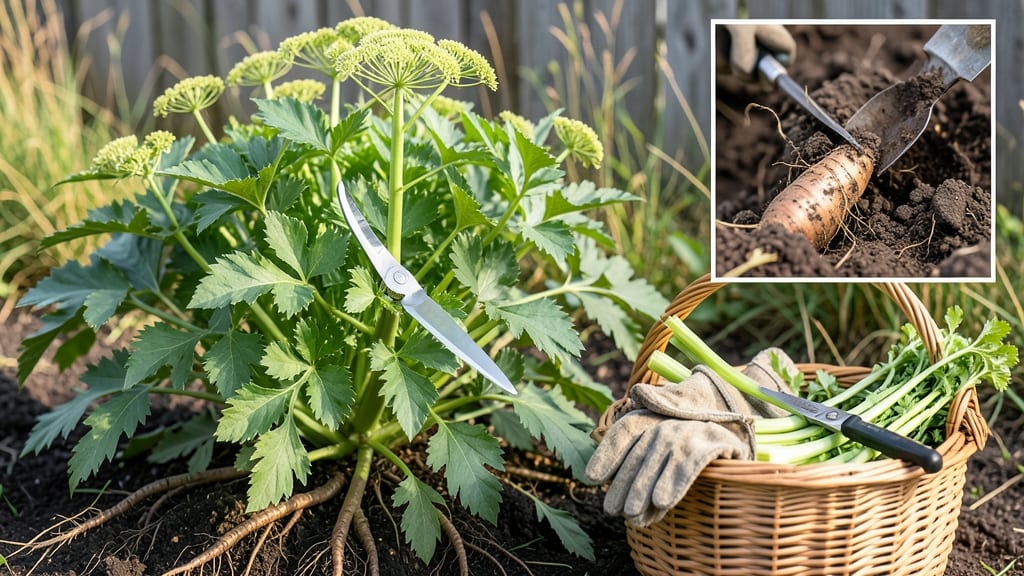
Harvesting lovage at the right time transforms this towering 🌿 herb from a pretty garden accent into a flavor powerhouse for your kitchen. The key? Waiting until stems reach 18 inches—when their crisp texture and bold anise-like taste peak, but before they flower and lose potency.
Most gardeners miss this sweet spot because they don’t know how to read the plant’s signals.
I’ll show you exactly when to snip for maximum yield, which parts to prioritize (leaves, stems, or seeds), and how to keep your lovage thriving after harvest—so you can enjoy fresh harvests from June through October.
No more guessing whether your lovage is ready or if you’re over-harvesting. You’ll learn the simple tools you need, the best cutting techniques to preserve flavor, and how to store your harvest so it stays vibrant for weeks—even if you’re not a seasoned gardener.
Ready to turn your lovage patch into a year-round flavor factory? Let’s dive into the timing, techniques, and tricks that’ll make every harvest your most delicious yet.


When to harvest lovage for optimal flavor and regrowth
Timing your lovage harvest is everything—cut too early, and you’ll miss its bold celery-like flavor. Harvest too late, and the leaves turn bitter or the plant struggles to recover.
The ideal harvest window is when stems reach 18 inches tall and leaves are fully mature, typically between June and October in most climates.
Lovage thrives on delayed harvests for maximum regrowth, but don’t wait until the plant flowers. Once yellow blooms appear, the leaves lose their signature aroma and become tough. Instead, aim to harvest 3-4 times per season, spacing cuts 4-6 weeks apart to encourage bushier growth.
Young plants (under 1 year old) should only have their outer leaves trimmed. Never cut into the central stem—this weakens the plant permanently. For established plants, you can harvest up to 50% of the foliage at once while leaving enough leaves to fuel photosynthesis.
Seasonal cues are your best guide: In cooler climates (Zones 3-6), harvest starts in late spring when soil warms to 55°F+. In warmer zones (7-10), begin harvesting as soon as stems hit 18 inches, often by May or early June.
| Harvest Stage | Key Indicators | Best Time | Flavor Impact |
|---|---|---|---|
| Early Spring | Stems 12-18" | May-June (Zones 3-6) | Mild, tender |
| Peak Summer | Stems 24-36", leaves 12"+ | July-August | Boldest flavor |
| Late Season | Leaves yellowing, stems woody | September-October | Bitter, tough |
For root harvests, wait until the plant is at least 2 years old. Dig roots in early spring or fall when the soil is cool. Younger roots are softer and more flavorful, while older roots develop a stronger celery-like taste but become woody.
Morning is the best time to harvest—leaves are most hydrated and packed with essential oils. Avoid harvesting after rain or late in the day, as moisture can cause rot and dilute the plant’s natural oils, weakening flavor.
If you miss the ideal window, don’t panic. Lovage is perennial in Zones 4-9, so it’ll regrow each year. However, first-year plants should only have 20-30% of their leaves trimmed to avoid stress. Prioritize outer leaves first to protect the plant’s growth center.
Pro tip: Mark your calendar for the last frost date in your zone. In Zones 3-5, wait until after May 15 to harvest. In Zones 6-10, you can start as early as April 1, but monitor soil temps to avoid frost damage.
Over-harvesting in hot climates (Zones 8-10) can stress lovage, especially during July-August. Reduce harvest frequency to every 8 weeks and increase watering to every 3-5 days to maintain vigor.
When to harvest lovage for optimal flavor and regrowth
Harvesting lovage at the right time ensures bold flavor and encourages vigorous regrowth. Aim for 18-inch stems—this signals maturity while leaving enough energy for the plant to rebound. Early harvests (before flowering) yield the most aromatic leaves, while waiting too long risks woody stems and bitter flavors.
Lovage thrives from June to October, but timing depends on your climate. In USDA Zone 6a, start harvesting in late June when stems reach 12-18 inches. In warmer zones, begin as early as May to avoid the plant bolting prematurely.
Watch for these readiness cues:
- Leaf size: Mature leaves (6–12 inches long) with a deep green hue.
- Stem firmness: Crisp, not soft or woody.
- Flower buds: Harvest before flowers appear—this ensures the best flavor.
| Stage | Harvest Time | Key Features |
|---|---|---|
| Early Season (June) | Stems 12–18" | Tender leaves, crisp stems |
| Peak Season (July–August) | Stems 18–36" | Boldest flavor, vibrant leaves |
| Late Season (September–October) | Before frost | Harvest roots if needed; stems may toughen |
For root harvests, wait until the plant is at least 2 years old—this ensures robust roots. Dig carefully in fall after the first frost to preserve flavor. Store roots in moist sand in a cool, dark place for up to 6 months.
Adjust your harvest schedule based on seasonal cues. In cooler climates, prioritize early harvests to avoid winter dormancy. In warmer areas, extend harvesting into October but stop before hard frost (28°F) to prevent damage.
Pro tip: Label your plants if harvesting multiple times per season. This helps track growth stages and prevents over-harvesting, which can stress the plant. Aim to leave at least 50% of the foliage after each cut to support regrowth. 🌿