
How To
Harvesting snapdragon seeds at the right moment can mean the difference between thriving plants next season and a scattered mess in your garden. Those 🌸 snapdragons you love so much don’t just stop at pretty blooms—their real magic lies in the seeds hidden inside their pods.
If you’ve ever watched a snapdragon pod split open and scatter seeds everywhere, you know how quickly things can go wrong. The key is timing: harvesting before those pods crack ensures you save the best seeds for replanting. But when exactly should you act?
In this guide, I’ll walk you through the exact signs to look for—like color changes and texture shifts—and share the step-by-step method to collect seeds without losing a single one.
Whether you’re a seasoned gardener or just starting out, these tips will help you maximize your yield and keep your garden blooming for years.
Ready to turn those snapdragons into next year’s garden stars? Let’s dive into the simple secrets that make all the difference.


When and how to identify mature snapdragon seed pods
Snapdragon seed pods are the golden ticket for next year’s garden, but timing is everything. These pods start as green, pea-sized bulges behind the spent blooms.
As they mature, they turn brown and papery, signaling it’s time to harvest. Miss this window, and the pods will crack open, scattering seeds everywhere—sometimes where you don’t want them!
Look for pods that are dry to the touch and make a rustling sound when shaken gently. A fully mature pod will feel lightweight, almost hollow, compared to the heavier, green immature ones. Harvest them before they split, or you’ll lose precious seeds to the wind or wildlife.
⚠️ Critical Tip: Always harvest on a dry, sunny day to prevent moisture from causing mold. Early morning is ideal—pods are crisp and less likely to crack under your fingers.
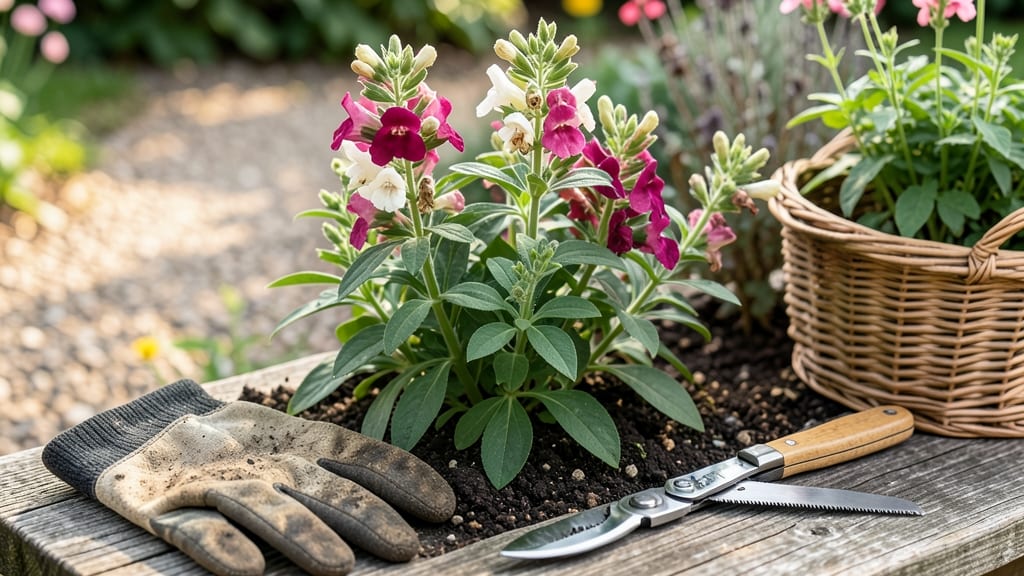
Gather your tools: clean pruners or scissors, a paper bag or envelope for each variety (to avoid cross-pollination), and gardening gloves to keep hands clean.
Label your bags immediately with the variety name and harvest date—snapdragons come in so many colors, and you’ll want to remember which is which!
Now, let’s talk specifics. Not all snapdragon varieties mature at the same time. Dwarf varieties like ‘Tom Thumb’ may produce pods in late summer, while taller types like ‘Black Prince’ might hold onto theirs until early fall.
Pay attention to your local frost dates—harvest pods at least 2 weeks before the first frost to ensure they dry properly indoors.
| Pod Stage | Visual Cues | Action | Best Time |
|---|---|---|---|
| Immature | Green, firm, pea-sized | Leave on plant | N/A |
| Mature (Ready) | Brown, papery, rustles when shaken | Harvest and dry | Morning, dry day |
| Overripe (Cracked) | Split open, seeds scattered | Collect remaining seeds | Immediately |
If you’re unsure whether a pod is ready, squeeze it gently. A mature pod will feel dry and brittle, almost like crumpling tissue paper. If it’s still slightly green or squishy, give it 3-5 more days.
Patience here pays off—overripe pods release seeds that may not store well for next season.
Pro tip: Harvest pods in batches every 2-3 days during peak season (typically July through September in most climates). This keeps your plants tidy and ensures a steady supply of fresh seeds.
Just be sure to wear gloves—snapdragon foliage can irritate sensitive skin, and you don’t want to contaminate your seeds with oils from your hands.
Once you’ve identified your mature pods, the next step is harvesting without a mess. The key is to pinch them off cleanly at the stem base using your pruners.
Avoid tugging—this can damage the pod and cause premature cracking. Place each harvested pod directly into its labeled bag or envelope to prevent seed loss.
🌱 Remember, every snapdragon plant produces hundreds of seeds, so even a small harvest can fill your seed collection for years to come. With the right timing and tools, you’ll be well on your way to a self-sustaining snapdragon garden!
When and how to identify mature snapdragon seed pods
Snapdragon seed pods transform from green buds to brown, papery containers—this color shift signals maturity. The pods will feel dry and crisp to the touch, almost like crumpled paper, rather than the plump, firm texture of unripe pods.
If you press gently, they should crack open easily, releasing tiny black seeds inside.
Timing is critical: harvest pods before they split open on their own, usually 4-6 weeks after flowering. Wait too long, and seeds scatter everywhere, creating unwanted volunteer plants next season. Watch for pods that turn from green to tan or light brown while still attached to the stem.
Gather your tools: clean pruners or scissors, gloves (to avoid skin oils contaminating seeds), and brown paper bags for drying. Work on a dry, sunny day when humidity is low to prevent mold. Avoid harvesting after rain, as damp pods can rot or attract pests.
Pro tip: Snapdragons produce pods along the flowering stalk, often clustered near the base. Start harvesting from the lowest pods first, as they mature earliest. This ensures you catch every pod before it cracks open and seeds fly away.
| Stage | Visual Cues | Action |
|---|---|---|
| Unripe Pod | Green, firm, plump | Leave on plant |
| Ripe Pod | Tan/brown, dry, crisp | Harvest immediately |
| Overripe Pod | Split open, seeds scattered | Too late; collect fallen seeds if possible |
If you miss the window and pods split prematurely, don’t panic. Collect any scattered seeds from the soil or mulch and dry them separately. While germination rates may drop, you can still save a portion for next year’s garden.
Always label seeds by variety and harvest date to track performance.
For best results, harvest pods in the morning when humidity is lowest. This reduces the risk of mold and ensures seeds remain viable. Store harvested pods in a cool, dry place for 1-2 weeks before processing to complete drying.