
How To
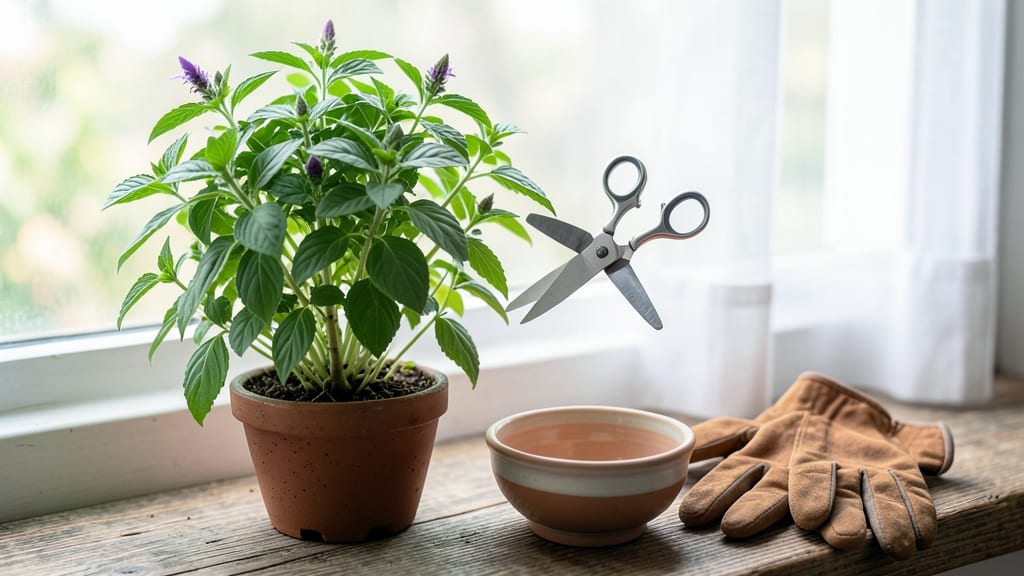
Mastering how to harvest tulsi could be the game-changer for your garden—whether you're growing this sacred 🌿 herb for its earthy flavor, medicinal properties, or spiritual rituals.
Tulsi thrives when you time your harvests right, but many gardeners miss the best moments to pick leaves without stunting their plant's growth. The key lies in understanding when your holy basil is at its peak—before flowering steals its potency—and how to prune it for continuous, lush regrowth.
In this guide, I’ll walk you through the optimal timing, step-by-step pruning techniques, and pro tips to keep your tulsi bushy and productive for months. No more guesswork—just a steady supply of fragrant leaves for teas, cooking, or remedies.
Ready to transform your harvest from hit-or-miss to consistent and abundant? Let’s get started with the secrets to harvesting tulsi like a pro.


Best time to harvest tulsi for maximum flavor and growth
Timing your tulsi harvest correctly ensures maximum flavor, potency, and plant longevity. The best time to harvest holy basil is in the early morning, right after the dew dries but before the sun peaks.
This is when essential oils are at their highest concentration, making your harvest ideal for both culinary and medicinal use.
For culinary purposes, harvest leaves when they're 3-5 inches long and dark green. These leaves are tender and packed with flavor, perfect for teas, soups, or garnishes.
If you're growing tulsi for medicinal benefits, wait until the leaves release a strong aromatic scent when crushed—a sure sign of peak potency.
The ideal harvest window for tulsi spans from late spring to early fall, roughly 60-90 days after planting. In Zone 6 climates, this typically means harvesting between June and October.
However, if you're growing tulsi in warmer zones, you can extend your harvest season into November.
Seasonal changes impact tulsi's growth and flavor. In spring and early summer, focus on regular leaf harvesting to encourage bushier growth. As temperatures rise in mid-summer, reduce harvesting frequency to prevent stress, especially if your plant shows signs of flowering—this shifts energy away from leaf production.
Avoid harvesting tulsi in late fall or winter, as the plant enters dormancy. During this time, focus on protecting your plant from frost and reducing watering.
If you're in a mild climate, you might still get a few harvests, but the leaves will be less potent and more bitter.
Harvest between 6-9 AM for maximum essential oils and flavor.
Target 3-5 inch leaves with 6-8 leaves per stem.
Peak harvest: June-October in Zone 6.
Stop harvesting if flower buds appear—this reduces leaf quality.
Trim stems 1 inch above a leaf node to encourage regrowth.
Recognizing when your tulsi is ready for harvest is key. Look for dark green, glossy leaves that are 3+ inches long and emit a strong, fresh aroma when crushed.
These are clear signs your plant is thriving and ready to be harvested. If leaves are pale or small, wait a few more weeks—they’re not yet mature enough.
Never harvest more than one-third of the plant at once. Over-harvesting stresses tulsi and can lead to stunted growth or even plant death. Instead, practice regular, light harvesting to maintain a steady supply of fresh leaves while keeping your plant healthy and productive.
For medicinal use, focus on harvesting leaves from the middle and lower parts of the plant. These leaves are often more potent than those at the top.
If you're growing tulsi for spiritual purposes, such as in Ayurvedic rituals, harvest leaves during sunrise or sunset for enhanced energetic properties.
After harvesting, always use clean, sharp scissors or pruning shears to avoid damaging the plant. Cut stems at a 45-degree angle, just above a leaf node, to encourage new growth. This simple technique helps your tulsi recover faster and keeps it looking lush and healthy for your next harvest.
Step-by-step pruning techniques for continuous tulsi harvests
Pruning your tulsi plant correctly is the secret to continuous harvests without sacrificing growth. Unlike many herbs, tulsi responds beautifully to regular pruning, encouraging bushier foliage and preventing early flowering—which reduces leaf potency. The key is to trim strategically while leaving enough energy for recovery.
Start by gathering your tools: a pair of clean, sharp scissors or pruning shears (sterilize with rubbing alcohol to prevent disease). Avoid using your fingers or dull tools, as they can crush stems and invite pests.
Work in the morning when leaves are hydrated, making them easier to handle and preserving their aromatic oils.
Here’s how to prune for maximum yield while keeping your tulsi plant healthy:
Remember, never harvest more than 1/3 of the plant at once. This rule prevents stress and ensures your tulsi keeps producing lush, flavorful leaves for months. With consistent pruning, your plant will stay compact, vibrant, and productive—giving you a steady supply for teas, cooking, or spiritual rituals.
Pro tip: Use the harvested stems in homemade tulsi tea or compost them to nourish your garden. Every part of this versatile herb has value! 🌿