
Aphids
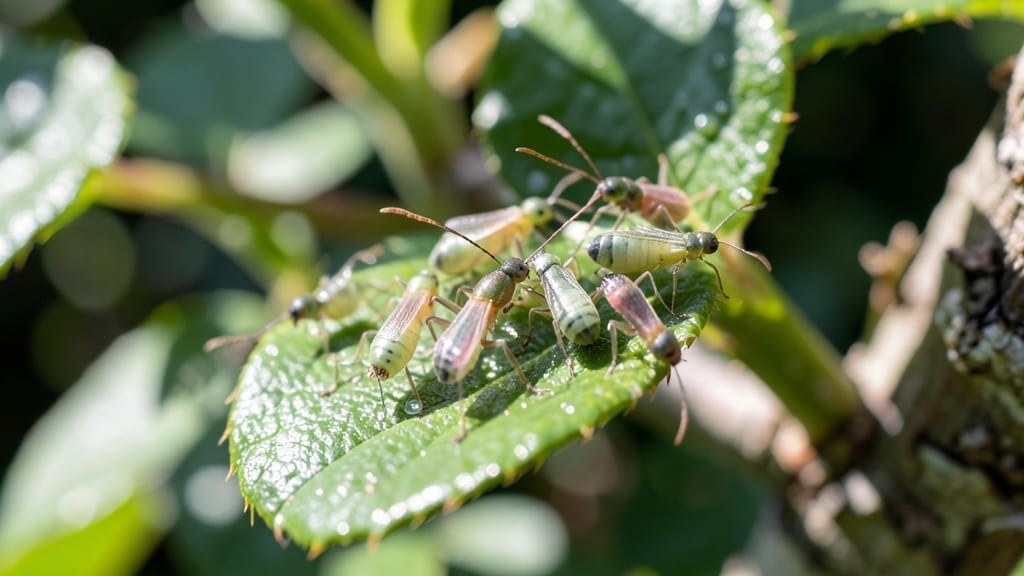
How to identify aphids on plants before they destroy your garden starts with spotting these tiny green invaders early. ✨ I’ve spent years watching aphids turn vibrant leaves into sticky, curled messes—and the key to stopping them is recognizing them before they take hold. These sap-sucking pests hide in plain sight, but once you know what to look for, they’re impossible to miss.
Aphids cluster on new growth, especially undersides of leaves, stems, and buds. They’re soft-bodied, usually green but sometimes yellow, black, or white, and about the size of a pinhead.
Look for sticky residue (like honeydew) or crinkled leaves—those are dead giveaways. A magnifying glass or even your phone’s camera can help you zoom in on the details.
Catching them early means saving your plants. A few aphids might not seem like a big deal, but they multiply fast, weakening your plants and spreading diseases.
The good news? Once you recognize their telltale signs—tiny clusters, curled leaves, and sticky trails—you can act before they become a full-blown infestation.
This guide breaks down the three visual clues you need to spot them instantly, plus tools to help you identify them faster. No prior experience needed—just your eyes and a little curiosity. Let’s get started!
Root Causes Of Aphid Infestations
Aphids don’t just appear out of nowhere—they’re drawn to your plants by a mix of environmental, biological, and even human factors. Understanding why these tiny pests invade helps you prevent future outbreaks.
Below, we break down the key reasons aphids target your garden, lawn, or indoor plants, along with science-backed explanations for each trigger.
Aphids thrive on plants that are already stressed or compromised. Think of them like opportunistic burglars—if your plant’s defenses are down, they’ll move in. Here’s why this happens:
- Nutrient Deficiencies: Plants low in nitrogen, phosphorus, or potassium struggle to produce strong sap (their natural defense). Aphids love weak sap because it’s easier to feed on and packed with sugars they crave.
- Water Stress: Overwatering or drought weakens plant cell walls, making them easier for aphids to pierce with their stylets (mouthparts). Pro tip: Check soil moisture—aphids favor plants with wilting leaves or soggy roots.
- Disease or Pest Damage: Fungal infections (like powdery mildew) or prior pest attacks (e.g., spider mites) create entry points. Aphids often follow other insects because damaged plants release volatile organic compounds (VOCs) that signal “easy meal.”
Actionable fix: Boost plant health with balanced fertilizer (look for NPK ratios like 10-10-10) and mulch to retain moisture. Prune dead leaves to remove aphid hiding spots.
Aphids aren’t picky eaters, but they have a preference for plants with high sugar content. This isn’t just about taste—it’s about survival. Here’s the science:
- Sucrose-Rich Sap: Plants like roses, beans, and squash produce sap with high sucrose levels, which aphids metabolize into energy quickly. Fun fact: Some aphids even “farm” honeydew (their sugary waste) for fungi that protect their colonies!
- Volatile Compounds: Certain plants emit chemicals (e.g., β-caryophyllene) that aphids detect from up to 10 feet away. These act like dinner bells, luring them in.
- New Growth: Young leaves and shoots have thinner cell walls and more accessible nutrients. Aphids often cluster here first, which is why you might spot them on tender tips.
Actionable fix: Avoid over-fertilizing with nitrogen (which boosts sugar production). If you grow aphid magnets (e.g., basil, zucchini), plant them away from prized crops or use row covers.
Aphids don’t just target individual plants—they exploit ecosystem conditions that make infestations easier to spread. Here’s how:
| Factor | Why It Helps Aphids |
|---|---|
| Dense Planting | Limited airflow traps humidity, which aphids love. Plus, crowded plants provide more hiding spots for colonies. |
| Weeds | Weeds like dandelions and clover are aphid magnets and act as “nurse plants” that sustain colonies until they move to your crops. |
| Monoculture Gardens | Planting the same species (e.g., all tomatoes) creates a buffet effect, making it easier for aphids to find and stay on one type of plant. |
| Poor Drainage | Waterlogged soil weakens roots and attracts aphids’ natural predators (like ants), which protect aphids in exchange for honeydew. |
Actionable fix: Space plants 12–24 inches apart for airflow, remove weeds regularly, and diversify your garden with aphid-repellent plants like marigolds or garlic.
Sometimes, we accidentally create the perfect aphid paradise. Common mistakes include:
- Bringing Infested Plants Indoors: Aphids hitchhike on nursery-bought plants, potted herbs, or even grocery store veggies (e.g., broccoli crowns). Inspect new plants under a magnifying glass before adding them to your collection.
- Ignoring Ant Trails: Ants “farm” aphids for honeydew. If you see ants on your plants, they’re likely protecting an aphid colony. Disrupt their relationship by using sticky traps or diatomaceous earth.
- Overusing Pesticides: Chemical sprays kill beneficial insects (like ladybugs) that eat aphids, leaving your plants defenseless. Pro tip: Use neem oil or insecticidal soap instead—they’re aphid-repellent but safe for predators.
- Neglecting Cleanup: Dead leaves, fallen fruit, and plant debris harbor aphid eggs. These pests can overwinter in mulch or compost, emerging when conditions warm up.
Actionable fix: Quarantine new plants for a week, prune regularly, and avoid chemical pesticides. Encourage natural predators by planting pollinator-friendly flowers (e.g., alyssum, fennel).
Quick Fixes for Aphid Infestations
Now that you’ve spotted the tiny troublemakers, it’s time to act! Aphids may be small, but they multiply fast—and they can wreak havoc on your plants if left unchecked. The good news? You don’t need harsh chemicals to tackle them.
Below, we’ll break down practical, effective solutions based on the root causes of aphid outbreaks, from organic sprays to long-term prevention. Let’s get your plants back to thriving!
---
If you’ve got a small infestation (think a few clusters here and there), your fingers might be your best tool. - 👨🍳 Rinse Them Off: Grab a strong stream of water from your hose (not too harsh—you don’t want to damage delicate leaves) and blast the aphids away.
Repeat every few days until they’re gone. - 🕵️♂️ Inspect & Squish: Wear gloves and pluck aphids off by hand, especially under leaves and in flower buds.
Drop them into soapy water to prevent re-infestation. Pro tip: Do this in the early morning when aphids are sluggish and easy to spot! 🌞
---
For larger outbreaks, turn to nature’s pest repellents. These methods are gentle on plants but tough on aphids: - 🍳 Soap Solution: Mix 1 tablespoon of mild liquid soap (like Castile soap) with 1 quart of water.
Spray directly on aphids, focusing on undersides of leaves. Test on a small area first—some plants are sensitive to soap! 🧼 - 🌿 Neem Oil Spray: This natural oil disrupts aphids’ life cycle.
Mix 1 teaspoon of neem oil, 1 teaspoon of mild soap, and 1 quart of water.
Spray every 5–7 days until the infestation clears. Bonus: It also deters other pests like mites! 🌱 - 🍋 Vinegar Spray: Combine 1 cup of white vinegar, 1 tablespoon of dish soap, and 1 gallon of water.
Spray on aphids (avoid direct sun to prevent leaf burn). Warning: Vinegar can harm beneficial insects, so use sparingly. 🍷
---
Let Mother Nature do the work! These aphid-hunting allies are free, eco-friendly, and highly effective: - 🐞 Ladybugs: Release 5–10 ladybugs per plant (available at garden centers).
They’ll devour aphids like a buffet! Tip: Avoid pesticides—they’ll kill the ladybugs too. 🐞💚 - 🕷️ Lacewings: Their larvae are aphid-eating machines.
Purchase lacewing eggs or adults and place them near infested areas. - 🐦 Birds & Parasitic Wasps: Hang bird feeders or aphid mummy wasp nests (sold online) to attract these natural aphid controllers.
---
An ounce of prevention is worth a pound of cure! Here’s how to keep aphids from crashing your garden party: - 🌡️ Monitor Regularly: Check plants weekly, especially new growth, undersides of leaves, and flower buds.
Early detection = easier eradication! 🔍 - 🌿 Encourage Diversity: Aphids love monocultures (like a single rose bush). Plant companion flowers (e.g., marigolds, nasturtiums) to confuse them and attract predators. 🌼 - 💡 Prune Strategically: Trim overcrowded branches and weak growth—aphids thrive in cozy, shaded spots.
Keep air flowing! ✂️ - 🌱 Strengthen Plants: Healthy plants resist pests better.
Use balanced fertilizer, avoid overwatering (aphids love damp leaves), and mulch to retain soil health. 🌱💪 - 🎯 Quarantine New Plants: Before adding a new plant to your garden, inspect it thoroughly for hitchhiking aphids. Wash leaves with soapy water if needed. 🚫🐜
--- If aphids keep coming back despite your efforts, it might be time for targeted chemical control (use as a last resort): - 🔪 Insecticidal Soap or Horticultural Oil: More concentrated than DIY versions, these kill aphids on contact.
Follow label instructions carefully. - 💊 Systemic Insecticides: For severe infestations, products like imidacloprid (apply to soil) can provide long-term protection. Caution: These can harm bees and beneficial insects—use sparingly.
--- Final Thought: Aphids are annoying, but they’re not invincible. With a mix of manual removal, organic sprays, and prevention, you’ll have them under control in no time. Your plants will thank you—and so will your garden’s ecosystem! 🌿✨
Frequently asked questions
What do aphids look like up close?
Aphids are tiny, soft-bodied insects about 1/16 to 1/8 inch long—roughly the size of a pinhead. Most are green, but some appear yellow, black, brown, or even pink. They have long antennae, two cornicles (tube-like structures) on their rear, and legs that make them look like they’re always moving. Use a magnifying glass or 10x smartphone zoom to spot their distinct features.
Where do aphids hide on plants?
Aphids love new growth, so check the undersides of leaves, stem tips, and flower buds first. They also cluster near leaf veins and in crowded foliage where airflow is poor. Look for sticky residue (honeydew) or curled leaves—these are sure signs of hidden aphids. Shake plants gently over a white sheet to spot falling pests.
How can I tell if aphids are harming my plants?
Watch for yellowing or curling leaves, stunted growth, and black sooty mold (a fungal growth fed by honeydew). Heavy infestations cause leaves to drop prematurely or buds to fail to open. If you see ants crawling on your plants, they’re likely protecting aphids in exchange for honeydew. Act fast—aphids weaken plants by sucking sap, leaving them vulnerable to disease.
Can aphids survive winter?
Yes! Aphids lay eggs on plant stems, in soil, or on weeds that hatch when temperatures rise. Some species even overwinter as adults in protected spots like mulch or crevices. To break the cycle, clean up garden debris in fall, remove weeds, and store pots indoors if possible. Early spring inspections can catch them before they spread.
Are all aphids green?
No—while green is the most common color, aphids come in yellow, black, brown, gray, or even pink varieties! Their color often matches their host plant (a survival trick called crypsis). For example, black aphids might infest roses, while yellow ones often target citrus. Always check for shape and behavior (clustering, honeydew) rather than relying on color alone.