
Companion Plants
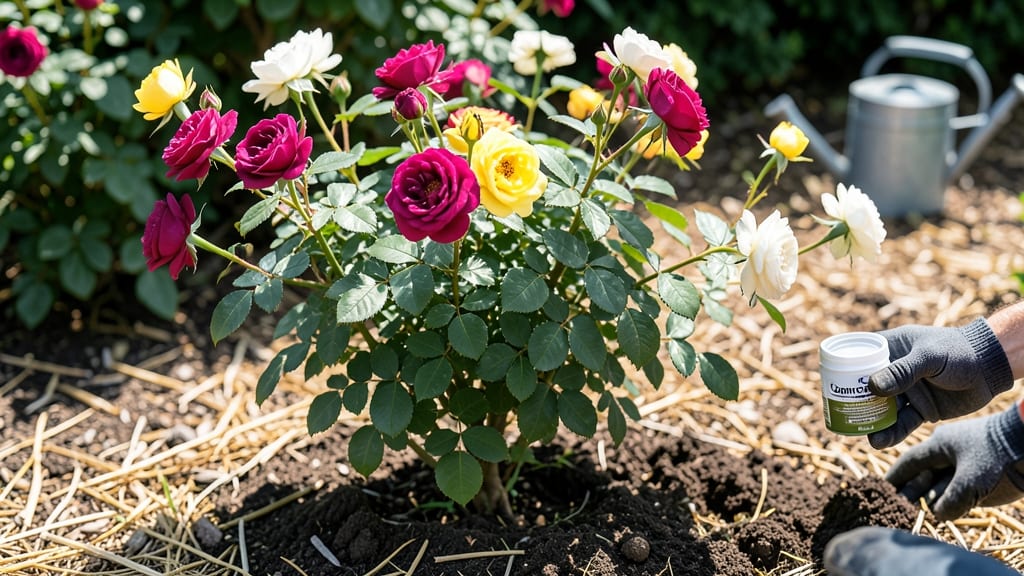
How to increase flowering in rose plants naturally—your roses could be covered in blooms by next summer. ✨ The key to nonstop roses lies in three simple natural habits: smart pruning, rich soil, and consistent care—no chemicals required. I transformed my struggling bushes into a floral explosion by focusing on what roses truly need, not what garden myths say.
Start with pruning in late winter—cut back old wood to encourage new growth, and remove dead branches completely. Feed your soil with compost and aged manure in early spring, then top-dress with fish emulsion every 4-6 weeks for a nutrient boost roses crave.
Water deeply once a week (more in extreme heat) to build strong roots that support more flowers.
By summer, you'll see the difference: stronger canes, more buds, and blooms lasting all season. The secret isn't forcing growth—it's giving roses exactly what they need to thrive naturally. Even neglected bushes can rebound with the right care.
This works for hybrid teas, floribundas, and shrub roses alike. The only tools you need are pruners, compost, and patience. Let's get those blooms going!
📚 In This Guide
- What you need
- Instructions
- Tips and common mistakes
- Wrapping up and next steps
What you need
- ● Pruning shears or secateurs: Sharp, clean, and sterilized (to prevent disease spread). Quantity: 1 pair.
- ● Garden gloves: Heavy-duty, cut-resistant (for protection while pruning). Quantity: 1 pair.
- ● Organic compost or well-rotted manure: Rich in nutrients (e.g., cow, horse, or chicken manure). Quantity: 2–3 gallons per plant.
- ● Balanced organic fertilizer (e.g., 10-10-10 or fish emulsion): For nutrient boost. Quantity: Follow label instructions (typically 1–2 tbsp per plant).
- ● Epsom salt (magnesium sulfate): Enhances blooming. Quantity: 1 tbsp per gallon of water.
- ● Watering can or hose with a gentle spray nozzle: For deep watering.
- ● Mulch (straw, wood chips, or pine needles): Retains moisture and regulates soil temperature. Quantity: 2–3 inches per plant.
- ○ Compost tea or liquid seaweed extract (optional but helpful): Boosts microbial activity. Quantity: 1 cup per gallon of water.
- ● Companion plants: Marigolds, lavender, or garlic (repel pests and improve soil health).
- ● Slow-release organic granules: For sustained nutrient delivery (e.g., alfalfa pellets).
- ● Copper fungicide spray: Prevents black spot or powdery mildew (if roses show signs of disease).
- ● Soil pH test kit: Ensures optimal pH (6.0–6.5 for roses).
Step-by-Step instructions for boosting rose blooms naturally
Here’s the method I’ve used to turn sparse rose bushes into flowering powerhouses—no chemicals, just smart care.
✂️ Step 1: Prune for Airflow and Light
Start by removing dead, diseased, or crossing branches first—these block airflow and energy. Cut back to an outward-facing bud just above a 5-leaflet leaf (the strongest growth point). I prune in early spring when buds swell but before new growth starts, but you can also do a light shaping cut in late winter if your climate is mild.
Focus on opening the center of the bush. Roses need sunlight on all sides to fuel blooms. If you see branches growing inward, cut them back to encourage outward growth. Never remove more than one-third of the plant at once—this stresses roses and delays flowering. After pruning, sterilize your shears with rubbing alcohol to prevent spreading disease.
🌿 Step 2: Feed with Organic Bloom Boosters
Roses are heavy feeders, but they respond best to balanced organic fertilizers applied in stages. In early spring, work in compost or well-rotted manure around the root zone—this replenishes nutrients without burning roots. I also mix in a low-nitrogen, high-phosphorus fertilizer (like 5-10-10) to encourage root and bloom development.
Apply a second feeding in early summer when you see new growth, but avoid high-nitrogen fertilizers now—they promote leafy growth at the expense of flowers. Instead, switch to a bloom-specific formula (like 7-9-5) and water deeply after applying. Mulch with 2-3 inches of organic mulch (like shredded bark) to retain moisture and regulate soil temperature—this prevents stress that can halt flowering.
☀️ Step 3: Optimize Sunlight and Watering
Roses need full sun (6-8 hours daily) to produce their best blooms. If your roses are in partial shade, prune nearby trees or relocate the bush to a sunnier spot. I’ve seen roses double their blooms just by moving them 2 feet closer to the sun—the difference in flower quantity is dramatic.
Water deeply 1-2 times per week (depending on rainfall) to encourage deep root growth. Shallow watering leads to weak roots and fewer blooms. The soil should be damp 6 inches down—stick your finger in to check. Avoid wetting the foliage when watering to prevent fungal diseases like black spot, which can defoliate plants and stop flowering.
🌱 Step 4: Deadhead and Encourage Repeat Blooms
Deadheading—removing spent blooms—is the secret to nonstop roses. Use clean pruners to cut back to the first healthy 5-leaflet leaf below the bloom. This redirects the plant’s energy into producing new buds instead of seeding. I deadhead every 2-3 days during peak bloom season to keep the bush productive.
For repeat-blooming varieties, also prune back long stems that have finished flowering to encourage bushier growth. Avoid heavy pruning in late summer or fall, though—this can stimulate tender growth that won’t survive winter. Instead, do a light cleanup to remove any remaining diseased stems.
Tips & tricks for perfect rose blooms
Here's what nobody tells you about transforming your roses into flowering powerhouses—these tricks make all the difference.
Pruning Precision: When you're pruning in Step 1, look for the 5-leaflet leaf as your guide—it's the plant's natural growth signal. I've found that cutting just above this leaf (about 1/4 inch) encourages stronger new growth. The key is to make clean cuts at a 45-degree angle to prevent water from pooling on the stem, which can cause rot. And remember, those outward-facing buds are your friends—they'll grow away from the center, creating a more open, sunlit bush.
Fertilizer Timing: The early spring feeding in Step 2 is your plant's wake-up call—think of it as breakfast after winter. I like to mix my low-nitrogen, high-phosphorus fertilizer (5-10-10) with compost right at the drip line (not the center) to encourage root expansion. For the early summer feeding, switch to that bloom-specific formula (7-9-5)—this higher potassium content is what triggers those flower buds. The secret is applying it when you see new growth starting, not before.
Sunlight Strategy: Those 6-8 hours of daily sun in Step 3 are non-negotiable for maximum blooms. I've seen roses in partial shade produce half as many flowers as their sunlit counterparts. If you can't move your roses, try pruning nearby trees or shrubs to increase light exposure. And here's a pro move: place a white reflective surface (like a garden mirror or even a white sheet) near the base of the plant during the hottest part of the day—it can increase light exposure by up to 30% without extra sunlight.
Deadheading Discipline: The every 2-3 days deadheading schedule in Step 4 might seem frequent, but it's what keeps your roses producing continuously. I've trained myself to check roses first thing in the morning—it takes about 10 minutes for a medium-sized bush and makes all the difference. When you're cutting back to that first healthy 5-leaflet leaf, make sure to use clean, sharp pruners. Dull blades crush stems, creating entry points for disease.
Pro Tips for Increase Flowering In Rose Plants Naturally
- Here's what nobody tells you about transforming your roses into flowering powerhouses—these tricks make all the difference.
- Pruning Precision: When you're pruning in Step 1, look for the 5-leaflet leaf as your guide—it's the plant's natural growth signal.
- Fertilizer Timing: The early spring feeding in Step 2 is your plant's wake-up call—think of it as breakfast after winter.
Frequently asked questions
Got questions about boosting your roses' blooms?
You're not alone! Here are some common queries—and expert answers—to help you grow a garden bursting with color naturally.
When is the best time to prune roses for more flowers?
Prune roses in early spring (just as new growth starts) or late winter (before buds swell). Avoid pruning in fall—it can stimulate tender growth that won’t survive winter. For repeat-blooming varieties like hybrid teas or floribundas, a light trim in summer (after flowering) can encourage a second flush! Pro tip: Never prune when frost is forecasted.
Can cold weather affect rose flowering, and how can I protect them?
Yes! Roses need chill hours (typically 500–1,000) to trigger blooming, but harsh freezes can damage buds. Mulch heavily with straw or wood chips (4–6 inches) to insulate roots. In zones 5–7, use rose cones or burlap wraps to shield canes. Bonus: Plant cold-hardy varieties like 'Knock Out' or 'Dr. Huey' for resilience!
What natural fertilizers should I avoid if I want more blooms?
Avoid high-nitrogen fertilizers (like lawn fertilizers) or fresh manure, which promote leafy growth over flowers. Instead, use balanced organic options like:
- Fish emulsion (5-5-5 ratio)
- Bone meal (for phosphorus, key for blooms)
- Composted cow or chicken manure (aged!)
Do roses need pollinators to flower, or can they self-pollinate?
Most roses can self-pollinate, but bees and butterflies dramatically increase flower production by spreading pollen. Plant companion pollinator-friendly flowers nearby, like:
- Lavender
- Marigolds
- Butterfly bush
My roses aren’t flowering—what could be wrong?
Check these common culprits:
Issue
Fix
Over-pruning (cutting too late in season)
Prune in early spring; leave 3–5 strong canes.
Too much nitrogen (leafy but no blooms)
Switch to a low-N, high-P fertilizer (e.g., 5-10-5).
Dormant canes (no buds)
Apply rose fertilizer in early spring and keep soil moist.
Pests/disease (aphids, black spot)
Spray with neem oil or baking soda mix; remove infected leaves.
Wrapping up and next steps
Increasing flowering in your rose plants naturally is all about giving them the right care—pruning for airflow, feeding with organic nutrients, and creating the perfect growing conditions. With patience and consistency, your roses will reward you with vibrant, abundant blooms all season long. 🌸
Now that you’re armed with these tips, roll up your sleeves and get growing! Start with one technique—like a deep feed or a strategic prune—and watch your roses transform. Happy gardening! 🌱