
Propagation
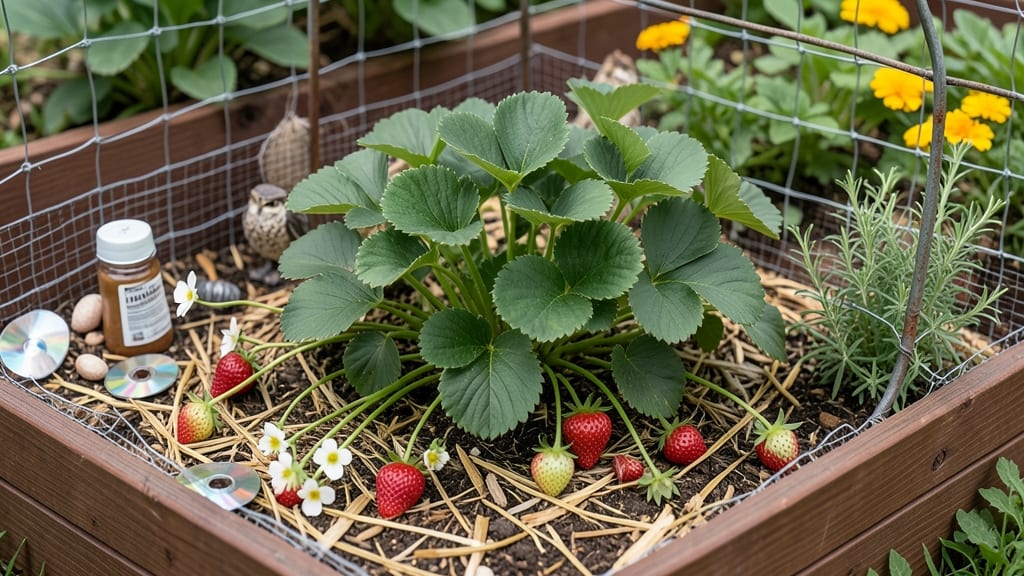
How to keep animals away from strawberries? That heartbreak happens to every gardener—until you try these foolproof barriers that actually work. I lost my first patch to rabbits, then discovered the one-two combo of physical protection and scent deterrents that kept my berries safe all season.
The secret isn't complicated: raised beds with fine mesh stop digging critters, while homemade sprays (like garlic-chili mix) confuse their noses. Even birds get fooled by reflective tape or old CDs strung above plants. You won't need expensive traps or chemicals—just smart layering of these simple tactics.
By harvest time, you'll be picking plump, juicy strawberries without a single bite taken. The best part? These methods work for deer, rabbits, squirrels, and even hungry neighborhood cats. No more sad, half-eaten plants staring back at you from the garden bed.
Works in containers, in-ground beds, or hanging baskets—just adjust the mesh size and repellent strength. Let's reclaim your strawberry patch the easy way!
📚 In This Guide
- What you need
- Instructions
- Tips and common mistakes
- Wrapping up and next steps
What you need
- ● Fencing or netting: 1 roll of hardware cloth (1/4" mesh) or plastic bird netting (1/2" mesh) – at least 6 feet tall to deter rabbits and deer.
- ● Sturdy wooden posts (4-6 ft long, 2-3 per 10 ft of fence) or T-posts for support.
- ● Zip ties or staples to secure netting to posts.
- ● Mulch or ground cover: Straw, pine needles, or wood chips (2-3 inches deep) to smother weeds and deter burrowing animals.
- ● Repellents: Commercial animal repellent spray (e.g., Bobcat’s or Liquid Fence) – follow label instructions for coverage.
- ● Hot pepper wax or cayenne pepper (1-2 tbsp mixed with water for DIY spray).
- ● Motion-activated sprinklers (e.g., ScareCrow) – great for larger gardens.
- ● Reflective tape or old CDs – hang from fences to scare birds.
- ● Predator urine (fox or coyote) – apply around the perimeter (available at garden stores).
- ● Plant companions: Garlic, chives, or onions (natural deterrents) planted nearby.
Step-by-Step instructions for protecting strawberries from wildlife
Here's the method I've used for years to keep raccoons, birds, and deer out of my strawberry beds without harming them.
Install a Physical Barrier Around the Bed
Strawberries need protection from the ground up. Start by creating a 2-foot tall fence around the bed using hardware cloth (not chicken wire—animals will tear through it). Bury the bottom edge 6 inches deep to prevent digging. I like to use 1/2-inch mesh because it keeps out rabbits while still allowing airflow to the plants.
For raised beds, attach the fence to the sides before planting. If your bed is in the ground, drive T-posts every 3 feet and secure the mesh tightly. Test the tension by gently pulling—if it sags, animals will squeeze through. This barrier works instantly for ground-feeding animals like rabbits and voles.
Add a Top Cover for Flying and Climbing Pests
Birds and squirrels will still find ways in if your fence isn't tall enough. Cover the bed with floating row covers or lightweight shade cloth (use 30% shade to allow sunlight). Secure the edges with bricks or landscape staples to prevent animals from lifting it. For extra security, drape the cover loosely—tight fits create tempting entry points.
Leave the cover slightly loose in the center so you can reach in for harvesting. If you're using hoop tunnels, space them 18 inches apart and cover with agricultural fabric. This keeps out birds while still allowing full sun exposure for the berries. Check weekly for tears and repair immediately—even a small hole invites pests.
Use Natural Deterrents Around the Perimeter
Combine physical barriers with scent-based repellents for a multi-layered defense. Plant marigolds, garlic, or chives around the bed—their strong fragrance confuses animals. I also sprinkle crushed red pepper flakes (1 tablespoon per 10 square feet) around the fence line. Reapply after rain.
For larger animals like deer, use commercial repellents containing putrescent egg solids—the smell mimics predator urine. Spray the fence and soil surface every 2 weeks or after heavy rain. Avoid overapplying; the goal is to create a strong but not overwhelming scent barrier. This method works best when combined with the physical fence.
Monitor and Adjust for Seasonal Threats
Different animals target strawberries at different times. In early spring, focus on raccoons and opossums—they dig up newly planted beds. Switch to deer-proofing in late summer when berries ripen. Install motion-activated sprinklers (set to 3-second bursts) around the perimeter. The sudden water spray startles animals without harming them.
Check your barriers weekly for damage, especially after storms. Replace torn mesh or loose covers immediately. If you notice new claw marks on the fence, reinforce weak spots with additional staples or zip ties. This proactive approach keeps your strawberries safe without resorting to traps or poison.
Tips & tricks for protecting strawberries from wildlife
Real talk: The difference between a thriving strawberry patch and a wildlife buffet often comes down to these small but critical details. I've learned these the hard way after losing entire harvests to raccoons and birds.
Mesh Size Matters: When installing your 2-foot tall hardware cloth fence in Step 1, pay special attention to the 1/2-inch mesh specification. This size keeps out rabbits while still allowing airflow—anything larger risks letting in voles or even small rodents. I've seen gardeners use 1/4-inch mesh for extra protection against mice, though it may slightly reduce airflow. The key is balancing breathability with security, especially in areas with determined diggers like opossums.
Top Cover Installation: In Step 2, securing those floating row covers is where most people fail. I recommend using heavy-duty landscape staples rather than just bricks, as wind can easily dislodge lighter weights. For hoop tunnels, pre-drill holes in your agricultural fabric at the 18-inch intervals before attaching to the hoops—this prevents tearing when you're securing them. The loose center you leave for harvesting should be just wide enough for your hand, no more.
Scent Layering Strategy: The natural deterrents in Step 3 work best when layered strategically. Plant marigolds closest to the fence line where animals first approach, then place garlic or chives along the outer perimeter. The crushed red pepper flakes should be applied in a 3-foot wide band around the entire bed—this creates a scent barrier that animals instinctively avoid. For commercial repellents, apply them to the fence itself first, then the soil surface in a 2-foot radius outward.
Seasonal Adjustment: The weekly monitoring in Step 4 is non-negotiable, but timing matters. In early spring when raccoons are most active, I check my barriers every 3 days rather than weekly. For deer season in late summer, I install motion-activated sprinklers before the first ripe berries appear. The 3-second burst setting is perfect—long enough to startle but not enough to damage plants or waste water.
Pro Tips for Keep Animals Away From Strawberries
- Real talk: The difference between a thriving strawberry patch and a wildlife buffet often comes down to these small but critical details.
- Mesh Size Matters: When installing your 2-foot tall hardware cloth fence in Step 1, pay special attention to the 1/2-inch mesh specification.
- Top Cover Installation: In Step 2, securing those floating row covers is where most people fail.
Frequently asked questions
Got questions about protecting your strawberries from critters?
You’re not alone! Here are answers to the most common concerns—so you can enjoy your harvest without the worry.
What’s the fastest way to keep animals away from strawberries?
For immediate results, combine physical barriers (like chicken wire or netting) with natural deterrents such as crushed eggshells or hot pepper spray. Animals dislike both the texture and scent, and this combo works within hours. Pro tip: Secure the netting tightly—even small gaps can let in determined pests!
When is the best time to set up defenses?
Start before planting if possible, but at minimum, install barriers as soon as your strawberries begin flowering (animals are drawn to the scent). For existing plants, act fast—deer, rabbits, and birds can strip a patch in 24 hours. Early mornings or evenings are ideal for setting up deterrents, as that’s when many critters are most active.
Are there chemical-free ways to protect strawberries?
Try these non-toxic methods:
- Coffee grounds (scatter around plants—animals dislike the smell).
- Garlic or onion spray (mix 1 chopped bulb with water, strain, and spray foliage).
- Motion-activated sprinklers (startle pests without harming them).
How do I stop birds from pecking at ripe strawberries?
Birds are sneaky! Use fine mesh netting (¼-inch holes) draped loosely over plants to allow sunlight and air flow. Hang shiny objects (like old CDs) nearby—they create reflections that scare birds away. Avoid plastic predators (like owl decoys), as birds get wise to them quickly. For ground-foraging birds, try a straw mulch barrier around the base of plants.
What if animals keep coming back after I’ve tried everything?
Persistency means it’s time to layer defenses. Combine:
- A physical barrier (e.g., hardware cloth buried 12 inches deep for burrowing animals).
- Scent deterrents (reapply weekly, as rain washes them away).
- Habitat changes (remove brush piles or tall grass near your patch where animals hide).
Wrapping up and next steps
Keeping critters away from your strawberries doesn’t have to be a battle—just a smart strategy!
By combining physical barriers, natural deterrents, and a little proactive planning, you’ll protect your harvest while keeping your garden thriving. 🌱 Whether you’re using chicken wire, companion planting, or DIY sprays, the key is consistency and creativity.
Now that you’re armed with these foolproof tips, put them into action! Start small—try one method this season and observe what works best for your garden. Happy growing, and may your strawberries stay deliciously yours! 🍓✨