
Pests
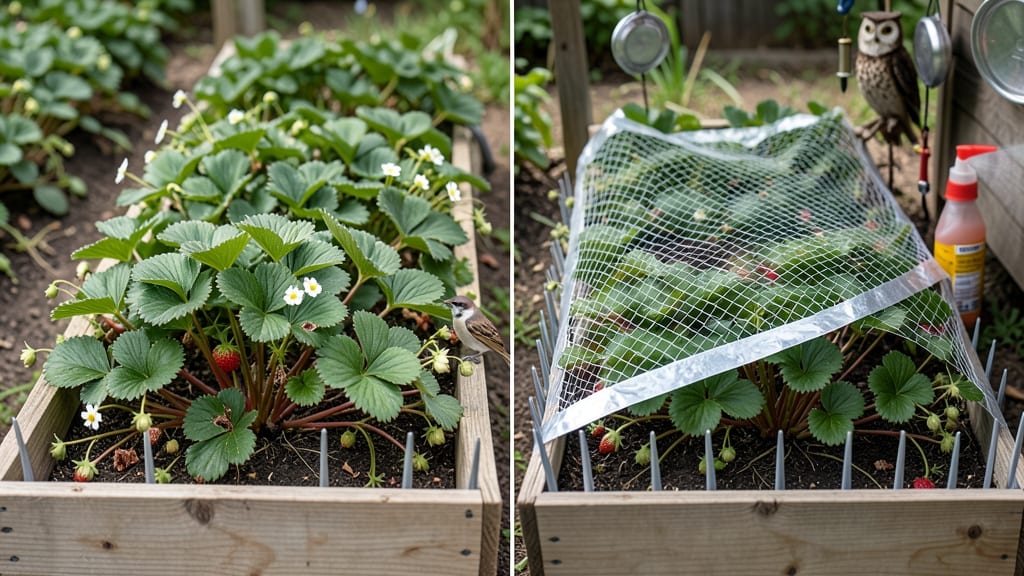
How to keep birds away from plants—my blue jays turned my raspberry patch into a feather duster this year. 🌿 After years of losing half my harvest to hungry birds, I finally found the right mix of barriers and tricks that actually work—without harming a single feather. The key is layered defense: physical barriers like netting or row covers, visual deterrents like reflective tape or old CDs, and even planting bird-repelling herbs nearby. I tried everything from scarecrows to ultrasonic devices, but these three methods consistently kept my garden safe. By combining 1-inch mesh netting over berries with shiny objects that confuse their vision, I’ve protected everything from tomatoes to lettuce. The best part? These methods work for any garden size, from tiny containers to full backyard plots. Here’s the exact setup that finally gave me peace of mind—and a harvest worth bragging about. Let’s get started!
📚 In This Guide
- What you need
- Instructions
- Tips and common mistakes
- Wrapping up and next steps
What you need
- ● Netting: 1–2 rolls of bird netting (polypropylene or polyester, 1/2"–1" mesh, 50–100 ft. per roll). Pro tip: 💡 Choose UV-resistant netting for longevity!
- ● Stakes or hooks: 10–20 galvanized metal stakes (6–12" long) or heavy-duty hooks (for hanging netting over plants).
- ● Twine or zip ties: 50–100 ft. of weather-resistant twine (e.g., nylon) or zip ties (for securing netting).
- ● Reflective tape or discs: 1–2 rolls of 3M reflective tape (1"–2" width) or 50–100 reflective discs (for visual deterrents).
- ● Pruning shears: 1 pair of sharp, bypass pruners (for trimming plants to reduce hiding spots).
- ● Spikes or prickly plants: 10–20 plastic bird spikes (12–18" tall) or prickly plants like rosemary, lavender, or thorny bushes (for physical barriers).
- ● Motion-activated sprinklers: 1–2 solar-powered sprinklers (e.g., Orbit Enforcer) for a surprise water blast!
- ● Predator decoys: 2–4 fake owls, hawks, or snakes (rotate placement weekly).
- ● Essential oils: 1–2 spray bottles with peppermint, citrus, or eucalyptus oil (diluted with water).
- ● Wind chimes or aluminum pie pans: 5–10 noisy decor items to startle birds with sound.
- ● Compost or coffee grounds: 1–2 gallon bags (to scatter around plants—birds dislike the smell!).
Tips & tricks for creating a bird-proof garden
These clever strategies will help you outsmart persistent birds without harming them or your plants.
Barrier Installation: When securing floating row covers or bird netting in Step 1, use heavier duty zip ties instead of regular ones. I learned this the hard way—birds can actually peck through lightweight zip ties in just a few days. Also, bury the edges of your barriers 1-2 inches deep around the perimeter to prevent birds from digging underneath. This creates a complete enclosure that birds can't penetrate.
Reflective Object Placement: For Step 2, position your reflective surfaces at slight angles rather than flat. I hang old CDs at 45-degree angles so they catch more sunlight and create more erratic flashes. You can also attach them to strings that sway gently in the breeze—this adds the element of movement that birds find even more unsettling. The key is to make them unpredictable.
Companion Plant Strategy: In Step 3, plant your foxglove or oleander in larger clusters of 5-7 plants rather than scattered groups. Birds are less likely to investigate when they see a dense, unfamiliar plant grouping. Also, place these deterrent plants upwind of your prized crops—birds rely heavily on scent, and the wind will carry those strong aromas directly toward them.
Motion Deterrent Timing: When using motion-activated sprinklers in Step 5, set them to activate during peak bird activity times (dawn and dusk). Birds are most active during these periods, so timing your deterrents coincides with their natural routines. I've found that even a single activation during these windows can train birds to avoid your garden entirely over time.
Pro Tips for Keep Birds Away From Plants
- These clever strategies will help you outsmart persistent birds without harming them or your plants.
- Barrier Installation: When securing floating row covers or bird netting in Step 1, use heavier duty zip ties instead of regular ones.
- Reflective Object Placement: For Step 2, position your reflective surfaces at slight angles rather than flat.
Frequently asked questions
Got questions about keeping birds from feasting on your plants? Here are some of the most common concerns—and straightforward solutions to tackle them:
What’s the best time of year to set up bird deterrents?
Spring and early summer are ideal! Birds start nesting and foraging aggressively in spring, so install barriers like netting or spikes before they arrive. For winter, focus on protecting tender seedlings or fruit-bearing plants, as birds may still raid gardens for food. Pro tip: Check local bird migration patterns for extra timing precision!
Will bird deterrents harm my plants or the birds?
Most natural deterrents are safe! Physical barriers like netting or reflective tape won’t hurt plants or birds. Avoid sticky traps or pesticides—they’re cruel and can contaminate soil. Opt for humane methods like scare tactics (e.g., wind chimes) or plant companions (e.g., marigolds) that repel birds without harm.
How often should I replace or refresh deterrents?
It depends! Reflective tape or CDs may lose effectiveness after 1–2 seasons due to weathering. Net barriers last longer (3–5 years) but should be checked for tears. Scare devices like motion-activated sprinklers or predator decoys may need occasional repositioning. Troubleshooting tip: Rotate methods every few weeks—birds get used to static deterrents!
Can I use bird deterrents on fruit trees or vegetable gardens?
For fruit trees, wrap trunks with tree collars or install netting over branches. In veggie gardens, try row covers or plant bird-repellent herbs like basil or mint nearby. Just ensure deterrents don’t block sunlight or water access to your crops.
What do I do if birds keep coming back despite deterrents?
Persistence pays off! Try layering methods: Combine netting with ultrasonic devices or plant a sacrificial trap crop (like corn) away from your prized plants. If pigeons or starlings are the culprits, block their access points—they love open areas. For stubborn cases, consult a local wildlife expert for species-specific advice.
Wrapping up and next steps
Keeping birds away from your plants doesn’t have to be a battle—just a few simple, natural barriers can make all the difference! 🌿 From reflective tape and netting to strategic plant placement, these solutions protect your garden without harming feathered friends.
Start small, experiment with what works best in your space, and soon you’ll have a thriving garden that both you and local wildlife can enjoy.
Ready to take action? Pick one method today—whether it’s hanging shiny objects or installing netting—and watch your plants flourish bird-free! 🌱