
Pests
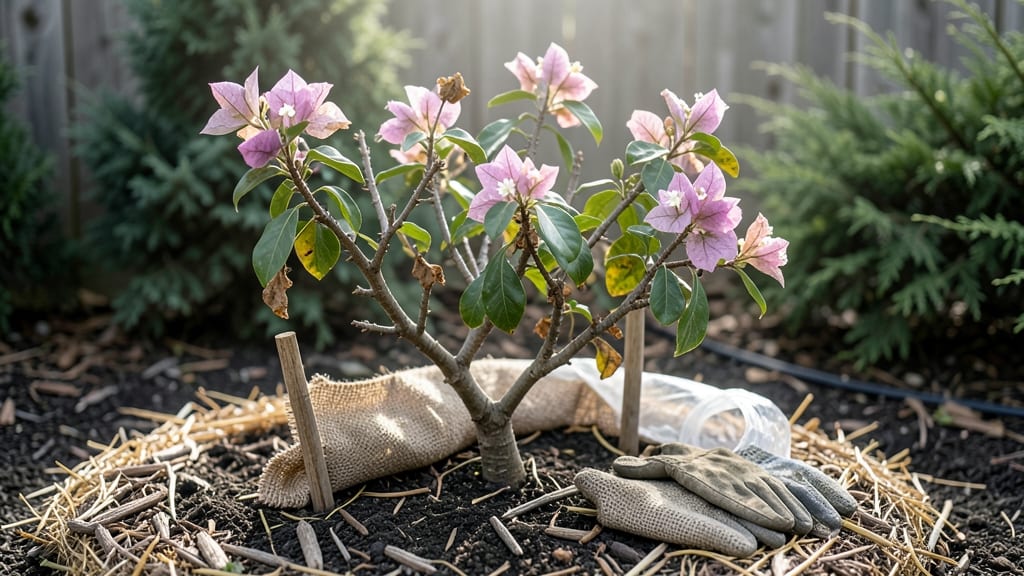
How to keep your bougainvillea alive in winter—until I learned the dormant care trick that saved mine. 🌿 These vibrant plants can survive cold snaps with the right prep, but most people overwater or leave them exposed, leading to frost damage that’s hard to reverse.
The secret is treating bougainvillea like a semi-dormant plant: reduce watering by 75%, prune back dead growth, and protect roots from freezing temperatures. In warmer zones (8-10), they might stay outside with mulch; in colder areas (below 7), move pots to a garage or sheltered spot.
I’ve kept mine alive through 15°F nights using these methods.
By spring, you’ll see fresh growth where others have bare stems. The key is patience—bougainvillea stores energy in its roots, so don’t rush to prune or fertilize until temperatures stabilize. A little winter prep means bold blooms by summer, not sad, crispy branches.
Works for both container plants and in-ground bougainvillea in mild climates. Here’s how to adapt for your zone—no guesswork, just results. Let’s get your plant through winter unscathed!
Root Causes of Winter Stress
Bougainvillea thrives in warmth and sunlight, but winter’s chill can turn its vibrant blooms into a sad, crispy mess—unless you understand why it struggles. The problem isn’t just cold air; it’s a cascade of physiological and environmental factors that disrupt the plant’s survival mechanisms.
Let’s break down the science behind winter woes so you can outsmart them.
Bougainvillea is a tropical beauty, and its cells aren’t equipped to handle prolonged cold. When temperatures dip below 40°F (4°C), the plant’s metabolic processes slow to a crawl—but not before damage occurs.
- Cell membrane damage: Cold temperatures cause water inside plant cells to crystallize, rupturing delicate membranes. This disrupts nutrient transport and leads to chilling injury, where leaves turn black or brown and stems weaken.
- Photosynthesis shutdown: Below 50°F (10°C), chlorophyll production halts, and the plant can’t generate energy. Without stored reserves (like starch in roots), it starves.
- Frostbite vs. freeze damage: A light frost (<32°F/0°C) may just wilt leaves, but a hard freeze (<20°F/-7°C) can kill stems and roots. The key difference? Rate of cooling—slow drops give roots time to harden, while sudden freezes don’t.
Pro tip: 🌡️ Monitor your local minimum nighttime temperatures—not just daytime highs. Bougainvillea can recover from brief dips but won’t survive prolonged exposure to <28°F (-2°C).
While bougainvillea can tolerate light frosts if dormant, ice and heavy frost are its arch-nemeses. Here’s how they sabotage your plant:
- Ice encasement: A thin layer of ice may seem harmless, but it insulates the plant, trapping heat and creating a microclimate that promotes fungal growth (like Botrytis). The weight of ice can also snap brittle stems.
- Moisture overload: Frozen soil prevents water uptake, while thawing ice releases excess moisture—leading to root rot if drainage is poor. This is why soggy soil in winter is a death sentence.
- Sunburn risk: Ever heard of "winter sunburn"? Frozen leaves are vulnerable to UV radiation when sunlight hits them post-frost. The result? Bleached, crispy patches that never recover.
Actionable insight: ✨ If frost is forecasted, cover plants before sunset (when temps drop fastest) with frost cloth—not plastic, which traps moisture. Remove covers by 10 AM to allow airflow and prevent fungal buildup.
Watering bougainvillea in winter is a minefield. Unlike summer, when roots actively absorb moisture, cold soil locks out water, creating a suffocating environment. Here’s why overwatering backfires:
- Poor drainage: Cold soil compacts, reducing aeration. Roots suffocate in waterlogged conditions, leading to anaerobic bacteria that produce toxic hydrogen sulfide.
- Nutrient leaching: Water flushes out soluble nutrients (like nitrogen) that the plant can’t replace in cold weather. This weakens its immune system, making it susceptible to pests.
- Fungal infections: Stagnant water in pots or soil creates the perfect breeding ground for Phytophthora and Pythium, which rot roots and stems.
Rule of thumb: 💡 Water only when the top 2 inches of soil are dry—and never let pots sit in saucers with standing water. Elevate containers on pot feet or gravel to improve drainage.
Bougainvillea enters a natural dormant phase in winter, slowing growth to conserve energy. But when you don’t support this process, the plant wastes resources trying to grow—and fails. Common disruptions include:
- Forced growth: Fertilizing or pruning in late fall/winter signals the plant to keep growing, depleting its energy reserves. Without stored nutrients, it can’t survive cold snaps.
- Inconsistent care: Fluctuating temperatures (e.g., warm days, cold nights) confuse the plant’s dormancy cues. It may start budding in winter, only to be shocked by a freeze.
- Lack of mulch: Roots need insulation to maintain a stable temperature. Without mulch, soil temps mirror air temps, increasing stress on the root zone.
Science-backed fix: 🎯 Apply a 4–6 inch layer of organic mulch (like straw or wood chips) around the base after the first frost. This keeps soil temps 5–10°F warmer than ambient air, protecting roots.
Understanding these root causes is your first line of defense. Once you know why bougainvillea struggles in winter, you can target solutions—like adjusting watering, insulating roots, or choosing the right winter location—to keep your plant alive and blooming come spring.
Quick Fixes for Winter Struggles
When your bougainvillea starts looking sad during winter, it’s usually a sign of stress from cold, wind, or neglect. The good news? Most issues have simple fixes—if you catch them early. Below, we’ll match common problems to practical solutions, plus pro tips to keep your plant thriving until spring.
---
Cause: Frost damage, overwatering, or sudden temperature drops.
How to Fix It: 🔥 Trim the Damage – Snip off any blackened or mushy leaves/stems with sterilized pruners (dip in rubbing alcohol). Healthy green stems will regrow in spring. 🍳 Adjust Watering – Reduce frequency to once every 2–3 weeks (unless potted soil is bone-dry). Overwatering in cold weather suffocates roots. 👨🍳 Protect from Wind – Move potted plants to a sheltered spot (e.g., against a south-facing wall) or wrap them in burlap. Outdoor plants? Add a windbreak like a fence or tarp.
💡 Prevention Tip: Mulch the base with 3–4 inches of straw or bark to insulate roots and retain moisture.
---
Cause: Temperatures below 30°F (-1°C), which can kill stems or roots.
How to Fix It: ⏰ Move Indoors (If Potted) – Bring containers inside near a sunny window (east or south-facing). Avoid drafts or heating vents. 🌡️ Use a Greenhouse or Cold Frame – For outdoor plants, cover with a clear plastic tent (secure with bricks) or a mini greenhouse. Remove during daylight to prevent overheating. ✨ Root Protection – Pile mulch or leaves around the base (up to the first set of branches) to shield roots from freezing ground.
💡 Prevention Tip: If you know winter will be harsh, plant in a container—it’s easier to relocate than digging up a garden bed later.
---
Cause: Weakened plants attract pests, especially in dry winter air.
How to Fix It: 🔪 Spot-Treat Infestations – - Neem oil spray (1 tsp neem oil + 1 tsp mild soap + 1 quart water) – Spray every 7–10 days until pests vanish. - Rubbing alcohol wipe – Dip a cotton ball in 70% isopropyl alcohol and dab directly on pests (great for small clusters). - Hose off – Blasts of water (if temps are above freezing) can dislodge mites.
🌿 Encourage Natural Predators – Introduce ladybugs or release beneficial nematodes in soil to prey on pests.
💡 Prevention Tip: Prune lightly in late fall to improve airflow—pests love dense, damp foliage.
---
Cause: Bougainvillea is dormant, but lack of light, poor soil, or stress can stall recovery.
How to Fix It: 📊 Boost Light Exposure – Place potted plants within 2 feet of a bright window or under grow lights (12–14 hours/day). South-facing windows work best. 💪 Fertilize Lightly – Switch to a balanced, water-soluble fertilizer (10-10-10) at half strength once a month. Avoid high-nitrogen formulas—they promote leafy growth, not hardy stems. 🥗 Check the Soil – If potted, repot into fresh, well-draining mix (cactus/succulent soil + perlite). Compacted soil suffocates roots.
💡 Prevention Tip: Avoid pruning heavily in winter—save major cuts for early spring when new growth starts.
--- Final Reminder: Bougainvillea is tough—it’s built to survive winter if you give it the right conditions. Focus on protection, patience, and minimal intervention, and your plant will bounce back vibrant and ready for spring blooms! 🌸
Frequently asked questions
What’s the safest temperature range for bougainvillea in winter?
Bougainvillea thrives when daytime temps stay above 50°F (10°C) and nighttime temps don’t drop below 40°F (4°C). If you’re in zones 8-10, it can handle light frosts (28°F/-2°C) with proper protection. Below 20°F (-7°C), even dormant plants risk severe damage. Monitor your local forecast and act before temps plummet.
Can I keep my potted bougainvillea indoors during winter?
Yes, but choose a bright spot near a south-facing window where it gets 6+ hours of sunlight daily. Avoid drafty areas or heating vents, which dry out the air and stress the plant. If natural light is insufficient, supplement with grow lights (12-14 hours/day). Reduce watering to every 3-4 weeks and avoid fertilizing until spring.
How do I protect outdoor bougainvillea from frost without moving it?
Start by wrapping the plant in burlap or frost cloth before sunset on frost nights. Add a 4-6 inch layer of mulch around the base to insulate roots. For extra protection, cover with a clear plastic tent (secured with bricks) or a mini greenhouse. Remove covers by 10 AM to prevent moisture buildup and fungal growth.
Why does my bougainvillea look dead after winter, even though I followed care tips?
Don’t panic! Bougainvillea often appears dormant in winter, with blackened stems and no leaves—but the roots may still be alive. Wait until spring (after last frost) before pruning. Cut back only the blackened or mushy stems, leaving healthy green growth. New shoots should emerge within 4-6 weeks if roots survived.
Should I fertilize bougainvillea in winter?
No, fertilizing in winter disrupts dormancy and wastes energy reserves. Wait until early spring (when temps consistently stay above 60°F/15°C) to resume feeding. Use a balanced fertilizer (10-10-10) at half strength to encourage healthy new growth without overstimulating the plant.