
Pests
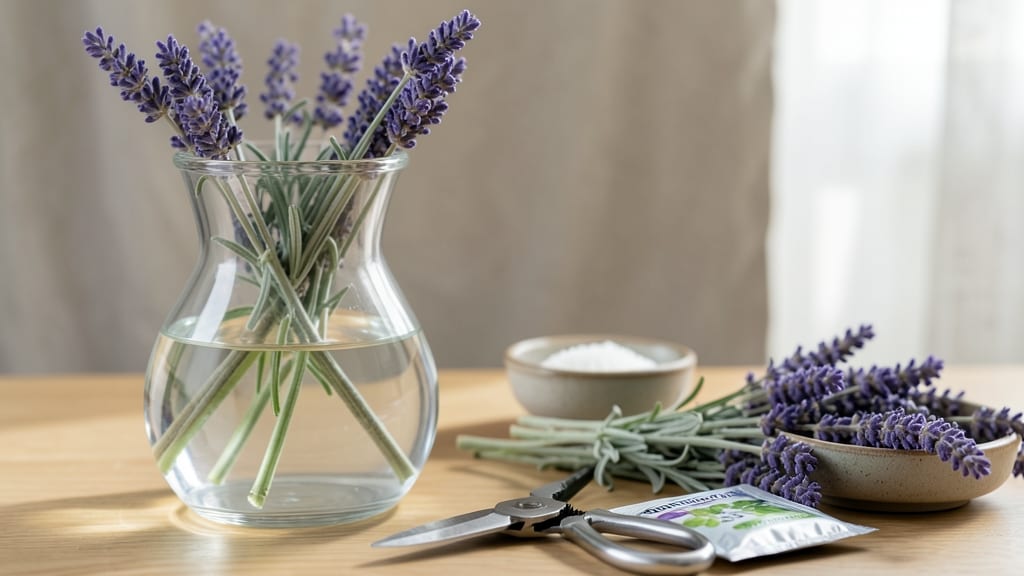
How to keep cut lavender fresh—it’s all about timing, technique, and the right storage. ✨ The trick isn’t just about drying; it’s about harvesting at the right time, handling stems properly, and choosing storage that preserves that signature purple hue and fragrance for months. Most people rush to dry lavender too early or too late, ending up with brittle stems or faded color. I learned the hard way: harvest when 20-30% of the buds are open (but before they bloom fully), then bundle stems in rubber bands and hang them upside down in a dark, dry, well-ventilated space like a closet or attic. Avoid direct sunlight—it bleaches the color and weakens the stems. Within 2-3 weeks, your lavender will turn crisp and fragrant, ready for sachets, potpourri, or long-lasting arrangements. The best part? Properly dried lavender keeps its scent for up to a year if stored in an airtight container away from moisture. For immediate use in bouquets, try this quick fix: trim stems, place in a vase with just 1 inch of water, and add a splash of bleach (1 tsp per quart of water) to slow bacterial growth. Change the water every 2-3 days—your lavender will stay vibrant for a full week instead of wilting in days.
📚 In This Guide
- What you need
- Instructions
- Tips and common mistakes
- Wrapping up and next steps
What you need
- ● Freshly cut lavender stems – Choose Lavandula angustifolia or Lavandula x intermedia (English or French lavender) for best results. Harvest when flowers are fully open but before they turn brown (typically mid-morning after dew has dried). Aim for 1–2 bunches (about 10–15 stems per bunch) depending on your drying needs.
- ● Sharp pruning shears or scissors – Clean, sterilized tools to avoid damaging stems or introducing bacteria.
- ● Newspaper or brown paper bags – 2–3 sheets per batch (newspaper works best for airflow). Avoid plastic!
- ● Rubber bands or twine – To bundle stems securely (about 3–5 inches of twine per bunch).
- ● Drying location – A dry, dark, well-ventilated space with temperatures between 70–80°F (21–27°C). Ideal spots: a garage, closet, or shed with indirect sunlight.
- ● Desiccant packets (e.g., silica gel) – Place 1–2 packets in the drying area to absorb excess moisture.
- ● Wire or floral preservative spray – For long-term storage, lightly mist dried lavender with a 50/50 water and vodka mix (1–2 sprays) to deter pests.
- ● Glass jars or airtight containers – For storing dried lavender (choose amber or dark glass to block light).
- ○ Food dehydrator – If you prefer speed, set to 95°F (35°C) for 2–4 hours (optional but speeds up drying!).
Step-by-step instructions for preserving cut lavender
Here’s how to transform your fresh lavender into long-lasting, fragrant bundles that keep their color and scent for months.
🌿 Step 1: Harvest at Peak Freshness
Pick lavender stems in the morning after the dew has dried but before the sun peaks—this is when essential oils are most concentrated. Look for buds just beginning to open; fully bloomed flowers lose their signature purple hue and scent faster. Snip stems at a 45-degree angle with clean, sharp pruners to maximize surface area for water absorption if you’re prepping for drying.
Remove any brown or wilted stems immediately—they’ll accelerate drying in surrounding flowers. Bundle stems in groups of 5-7 and tie loosely with twine or a rubber band. This keeps stems upright and prevents breakage during handling. I like to leave a few inches of stem intact; longer stems make hanging easier later.
💧 Step 2: Prep for Drying (The Critical First 24 Hours)
Give your lavender a quick rinse under cool water to remove dust and debris, then gently shake off excess moisture. Pat dry with a clean towel or let air-dry upside-down in a shady spot for 1-2 hours. This prevents mold from trapped moisture during drying. If you’re in a humid climate, skip the rinse entirely—lavender’s natural oils repel water, and excess dampness can dull its fragrance.
Here’s the thing—don’t rush this step. If stems feel damp to the touch after drying, spread them out on a wire rack or clean towel in a well-ventilated area for another hour. You’ll know they’re ready when stems snap crisply when bent (not bendy or soggy). This pre-drying phase is what separates vibrant, fragrant lavender from dull, musty bundles.
☀️ Step 3: Choose Your Drying Method
For hang-drying, tie bundles upside-down in a dark, dry place with good airflow—a closet with a small fan works perfectly. Keep stems 6-8 inches apart to prevent humidity buildup. In 5-7 days, buds should crumble easily between your fingers when gently squeezed. If they still feel firm, leave them another day or two.
For air-drying on a screen, lay stems in a single layer on a mesh rack or clean window screen. Place the screen in a warm, shaded spot (direct sun bleaches lavender). Flip stems every 2-3 days to ensure even drying. Test readiness by rubbing a bud between your fingers—it should powder lightly, not feel damp. This method takes 7-10 days in cooler climates.
✂️ Step 4: Store for Maximum Freshness
Once fully dried, trim stems to 3-4 inches and remove any remaining leaves or brown buds. Store bundles in paper bags (not plastic—they trap moisture and dull scent) or small muslin sacks. Keep them in a cool, dark place like a pantry or closet. If you’re using them for sachets or potpourri, add a dried bay leaf or cinnamon stick to enhance fragrance longevity.
Real talk: Lavender loses its scent over time, but proper storage extends it for 6-12 months. Check bundles every few months—if they smell faint or look dull, it’s time to refresh them. I like to crush dried lavender lightly between my fingers before using it in crafts or teas; this releases trapped oils and restores its aroma temporarily.
⏰ Step 5: Revive Wilted Dried Lavender (If Needed)
If your dried lavender loses its shape but still smells good, don’t toss it! Place bundles in a microwave-safe bowl with 1 cup of rice (the starch absorbs moisture). Microwave on high for 30 seconds, then let cool completely. The rice will plump up the lavender stems, restoring their structure. This trick works best for lavender that’s been stored for 3-6 months.
For lavender that’s completely lost its scent, try a scent refresh: Place bundles in a sealed jar with a few drops of lavender essential oil and a pinch of baking soda (neutralizes odors). Let sit for 24 hours, then air out before using. It’s not perfect, but it’ll bring back some of that signature fragrance.
Tips & tricks for preserving lavender's vibrant fragrance
Here's what nobody tells you about keeping your lavender bundles looking and smelling their best for months.
Harvesting Timing: The morning after dew has dried is non-negotiable for peak fragrance. I learned this the hard way—harvesting in the afternoon sun causes buds to open too quickly, losing that signature purple hue and essential oils. For even better results, harvest on a cool, cloudy morning when buds are just beginning to open but haven't fully bloomed. This timing gives you the most concentrated oils for drying.
Bundle Size Matters: Those groups of 5-7 stems aren't arbitrary—they create the perfect airflow balance during drying. Too few stems (3 or less) dry too slowly, while too many (8+) create humidity pockets that trap moisture. I've found that bundles tied with natural twine (like jute) actually enhance the drying process slightly compared to rubber bands, as the twine allows for better air circulation around each stem.
Drying Environment: Your drying location makes all the difference between vibrant lavender and dull, musty bundles. For hang-drying, I've had the most success using a small closet with a battery-operated fan set to low—this creates gentle airflow without disturbing the bundles. In humid climates, consider adding a small packet of silica gel (the kind that comes with electronics) to your drying area to absorb excess moisture. The goal is to mimic a desert-like environment where lavender naturally grows.
Storage Secret: That 6-12 month storage window can actually stretch to 18 months if you implement this trick: Every 3 months, place your lavender bundles in a sealed jar with a few drops of high-quality lavender essential oil. Let them sit for 24 hours, then remove and air out. This periodic scent refresh revitalizes the dried flowers, making them smell fresh again. Just be sure to use food-grade lavender oil—some essential oils can be too strong and overpower the natural fragrance.
Pro Tips for Keep Cut Lavender Fresh
- Here's what nobody tells you about keeping your lavender bundles looking and smelling their best for months.
- Harvesting Timing: The morning after dew has dried is non-negotiable for peak fragrance. I learned this the hard way—...
- Bundle Size Matters: Those groups of 5-7 stems aren't arbitrary—they create the perfect airflow balance during drying...
Frequently asked questions
Got questions about keeping your cut lavender fresh and fragrant? Here are some of the most common concerns—and their solutions!
How long does cut lavender stay fresh?
With proper care, cut lavender can stay fresh for 7–10 days in a vase. If dried correctly, it can last months or even years! For bouquets, trim stems at an angle and change the water every 2–3 days to extend freshness.
Can I revive wilted lavender?
Try this quick fix: Trim the stems again at a 45-degree angle, place them in cool water with a splash of bleach (1 tsp per quart), and let them soak for 1–2 hours. Avoid direct sunlight while reviving. If the stems are mushy, they’re past saving—time to dry them instead!
Should I use floral preservative for lavender?
Yes! A floral preservative (like Floralife) can double lavender’s vase life by preventing bacterial growth. Mix it with water as directed—lavender thrives in cool, slightly acidic water (pH 3.5–4.5). Skip sugar-based preservatives; lavender prefers simple formulas.
What’s the best way to dry lavender without losing color?
For vibrant dried lavender, hang bundles upside down in a dark, well-ventilated spot (like a closet) for 2–3 weeks. Avoid direct sunlight—it fades the purple! Alternatively, use a drying rack or dehydrator (95°F for 1–2 hours) for faster results.
Can I use dried lavender in place of fresh in recipes?
Dried lavender is more potent than fresh—use ⅓ the amount in recipes (e.g., 1 tsp dried = 3 tbsp fresh). It’s perfect for baking (shortbread, honey cakes), teas, and potpourri. Just crush the buds gently to release the aroma before using.
Why is my lavender turning brown or moldy?
Brown tips or mold mean your lavender is overwatered or bacteria-laden. Fix it by:
- Using distilled or filtered water (tap water can introduce microbes).
- Trimming stems daily to remove dead foliage.
- Adding 1 tsp bleach per gallon of water (rinse stems well afterward).
- Avoiding overcrowding in the vase—lavender needs airflow!
Wrapping up and next steps
Keeping your cut lavender fresh is all about quick action, proper prep, and smart storage—whether you’re drying it for potpourri, sachets, or long-lasting bouquets.
With the right techniques, you can preserve its fragrance and beauty for months, turning simple stems into lasting treasures. Now that you’re armed with the know-how, why not gather a fresh batch and try these tricks today?
🌿 Next step: Experiment with a small bundle—test different drying methods (hanging, bundles, or silica gel) to see what works best for your space. Share your results or creative uses (like lavender-infused oils or crafts) with fellow gardeners! 🌸