
Pests
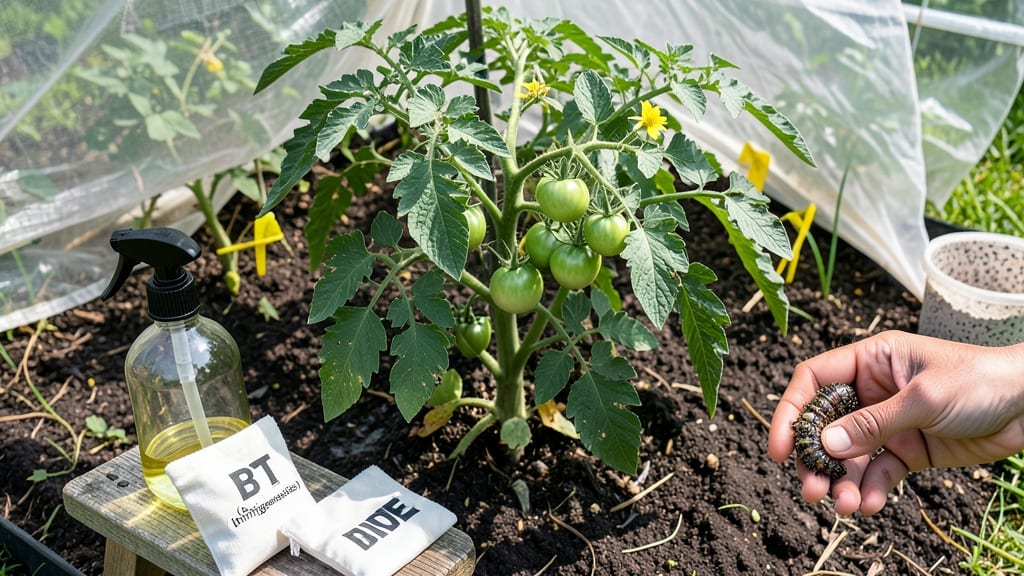
How to keep hornworms away from your tomato plants before they strip them bare in days. 🌱 I’ve battled these green monsters for years, and I’ve learned the best way isn’t chemicals—it’s outsmarting them with nature’s own defenses.
The secret? Luring their natural predators into your garden. Planting dill, fennel, or basil nearby attracts parasitic wasps and lacewings, which hunt hornworms relentlessly. Even a small patch of these plants can turn your garden into a hornworm-free zone.
You’ll spot fewer holes in your leaves and more tomatoes on the vine. The best part? This method works without harming bees or other beneficial insects—just pure, plant-powered pest control.
Works for tomatoes, peppers, and eggplants. Here’s how to set up your predator-friendly garden today.
Root Causes of Hornworm Attacks
Hornworms—those voracious caterpillars of the Manduca sexta and Manduca sexta species—don’t just appear out of nowhere. Their presence in your garden is the result of a mix of environmental, ecological, and even human-influenced factors.
Understanding why these pests target your plants is the first step to stopping them in their tracks. Let’s break down the key reasons behind their relentless appetite for your tomatoes, peppers, and other beloved veggies.
Hornworms are plant specialists, and they’ve got a very specific menu. Their top choices include:
- Tomatoes (especially green, unripe fruit and leaves)
- Peppers (both sweet and hot varieties)
- Eggplants (their thick leaves are a favorite)
- Tobacco plants (yes, even if you’re not growing it for smoking)
- Potatoes (both leaves and tubers)
These plants contain high levels of alkaloids and sugars, which hornworms find irresistible. If your garden is a hornworm-friendly salad bar, you can expect an infestation. Pro tip: 💡 If you’ve noticed your tomato plants looking like Swiss cheese overnight, you’re likely dealing with these hungry caterpillars.
Hornworms thrive in warm, humid conditions, particularly in regions with:
- Long, hot summers (think USDA Zones 7-10)
- High humidity (they despise dry, cold weather)
- Abundant rainfall (keeps their host plants lush and tender)
In cooler climates, they may still appear but in smaller numbers. However, if you’ve suddenly got a hornworm problem in a place where they’re not typical, check for:
- Microclimates (e.g., a sunny, sheltered corner of your garden)
- Greenhouses or raised beds that trap heat
- Unseasonably warm weather extending their active season
Science note: 🌡️ Hornworms enter diapause (a dormant state) in cooler months, but if temperatures stay above 50°F (10°C), they’ll keep munching year-round.
In a balanced ecosystem, hornworms face a long list of predators, including:
| Predator | How They Hunt Hornworms |
|---|---|
| 🦋 Parasitic Wasps (Cotesia congregata) | Lay eggs inside hornworm larvae; the wasp larvae then consume the caterpillar from within. |
| 🐸 Frogs & Toads | Ambush hornworms at night when they’re less active. |
| 🦎 Lizards (e.g., Anoles, Skinks) | Snatch them up during the day, especially in warm, rocky areas. |
| 🐦 Birds (e.g., Robins, Blue Jays) | Target hornworms when they’re exposed on leaves or pupating. |
| 🐝 Ladybugs & Ground Beetles | Feed on hornworm eggs and young larvae. |
If your garden lacks these natural controls—perhaps due to pesticide use, urbanization, or monoculture planting—hornworms can explode in numbers. Pro tip: ✨ Planting native flowers (like dill, fennel, or milkweed) can attract beneficial predators and restore balance.
Sometimes, we unintentionally invite hornworms to the party. Common garden mistakes that worsen infestations include:
- Overwatering host plants – Soft, juicy leaves are a hornworm’s dream.
- Using broad-spectrum pesticides – These kill beneficial insects first, leaving hornworms unopposed.
- Planting susceptible crops too closely – Dense foliage hides hornworms and makes spotting them harder.
- Ignoring early signs – Chewed leaves or frass (caterpillar poop) are red flags most gardeners miss.
- Bringing in infested plants – Even nursery-bought seedlings can carry hornworm eggs.
Actionable fix: 🔥 Start with resistant plant varieties (like ‘Defiant PhR’ tomatoes) and avoid planting susceptible crops in the same spot year after year (crop rotation!).
Natural Fixes for Hornworm Havoc
Now that you understand why hornworms are crashing your garden party, let’s tackle them with effective, plant-powered solutions—no harsh chemicals required. These fixes target the root causes (like overripe plants and lack of predators) while keeping your garden thriving.
Below, we’ve mapped common triggers to practical fixes, plus prevention tips to keep those green munchers at bay for good.
---
Hornworms love soft, stressed, or overripe plants—especially tomatoes, peppers, and eggplants. Strengthen your plants to make them less appealing (and harder to devour).
#### 🔥 Fix: Prune & Fertilize Strategically - Prune aggressively: Remove yellowing, damaged, or overripe fruit immediately—hornworms target easy snacks.
Focus on: - Tomatoes: Pinch off blossom ends (the tiny stem where fruit forms) if they’re soft or cracked. - Peppers: Harvest green peppers before they ripen to deter hornworms. - Feed the right way: Use a balanced, organic fertilizer (like compost tea or fish emulsion) to boost plant vigor. Avoid nitrogen-heavy feeds—they create soft, hornworm-magnet foliage. - Mulch properly: Apply straw or grass clippings (not wood chips) to retain moisture without suffocating roots. Pro tip: Add a thin layer of diatomaceous earth around the base—it’s harmless to plants but deadly to hornworm larvae crawling on the soil.
#### 💡 Prevention Tip > 🌱 "Toughen up" your plants by reducing water stress. Deep water once a week (instead of daily light sprinkles) to encourage strong stems. Hornworms avoid firm, healthy leaves—think of it like a workout for your plants!
---
Hornworms are defenseless against natural enemies like parasitic wasps, lacewings, and birds. If your garden lacks these allies, invite them back with these tactics.
#### 👨🍳 Fix: Create a Predator-Friendly Habitat - Plant "predator magnets": Add these hornworm-hunting plants near your veggies: - Dill, fennel, or cilantro (attracts parasitic wasps). - Marigolds or nasturtiums (draws ladybugs and lacewings). - Sunflowers (lures birds and praying mantises). - Install a "bug hotel": Use a small mesh cage (like a repurposed window screen box) filled with sticks, leaves, and hollow stems.
Place it near your garden to shelter beneficial insects during the day. - Avoid pesticides: Even "organic" sprays can kill predators. Spot-treat only with neem oil (diluted) if needed, and never spray when bees are active.
#### 🎯 Prevention Tip > 🕊️ "Bird baths = free pest control"—add a shallow dish of water with pebbles to give birds a place to drink and bathe. Robins and sparrows love hunting hornworms off leaves!
---
If you’ve spotted stripped leaves or skeletonized plants, it’s time for emergency intervention.
#### 🔪 Fix: Manual Removal + Traps - Handpick them (safely!): - Wear gloves (hornworms have spiky bodies—they’ll irritate your skin). - Drop them in soapy water (not the garden—this prevents them from burrowing back in). - Check undersides of leaves—they’re masters of camouflage! - Set up beer traps (yes, really!): - Bury a small cup or jar filled with beer (or a mix of water + sugar + yeast) near affected plants.
The fermentation attracts hornworms, and they drown. - Use row covers: For tomato and pepper plants, drape floating row covers (made of lightweight fabric) to block hornworms while still allowing pollination.
#### ⏰ Prevention Tip > 🕰️ "The 10-minute rule"—check your plants for hornworms every 10 days, especially after rain. Eggs hatch quickly, and a few can turn into a hundred caterpillars in weeks.
---
If your garden is overrun, a quick environmental tweak can help.
- Heat treatment: Place affected plants in a greenhouse or under a clear plastic cover on a sunny day.
Temperatures above 95°F (35°C) will kill hornworm eggs and larvae within hours. - Cold snap prep: If frost is coming, cover plants with row fabric—hornworms cannot survive freezing temps.
--- - Crop rotation: Plant non-host crops (like beans or lettuce) between tomato/pepper seasons to break the hornworm life cycle. - Companion planting: Grow basil, thyme, or oregano near tomatoes—their strong scents repel hornworms. - Interplant with onions or garlic: Hornworms hate the sulfur compounds in alliums.
Scatter chopped garlic cloves around plants as a natural deterrent.
--- Final Pro Tip: > 🌟 "Think like a hornworm"—they’re drawn to dark, damp, and soft. Reverse their preferences by keeping your garden bright, dry, and tough!
By combining plant resilience, predator support, and quick action, you’ll outsmart hornworms without resorting to chemicals. Your garden will stay lush, productive, and pest-free—naturally!
Frequently asked questions
Why do hornworms suddenly appear in my garden?
Hornworms thrive in warm, humid conditions and target specific plants like tomatoes, peppers, and eggplants. They often appear after rain or when your garden has lush, tender foliage. Their life cycle is fast—eggs hatch in days, so a few can become hundreds quickly.
Are hornworms harmful to humans or pets?
No, hornworms aren’t dangerous to humans or pets. Their spiky bodies can irritate skin if handled without gloves, but they’re not poisonous. The real concern is their damage to your plants, not health risks.
Can I use neem oil to kill hornworms?
Neem oil disrupts hornworm feeding and growth, but it’s not a quick kill. Apply it at dusk to avoid harming bees, and reapply every 5-7 days. For severe infestations, combine it with handpicking or predator plants for better results.
How do I know if my plants have hornworms vs. other pests?
Look for large green caterpillars with white stripes and skeletonized leaves (only veins remain). Hornworm frass (poop) looks like tiny black pellets. Other pests like aphids leave sticky residue, while cutworms chew stems at soil level.
Will companion planting really work against hornworms?
Yes! Plants like basil, marigolds, and onions repel hornworms naturally. Their strong scents mask host plant odors. For best results, interplant them directly with tomatoes or peppers rather than placing them far away.