
Blooming
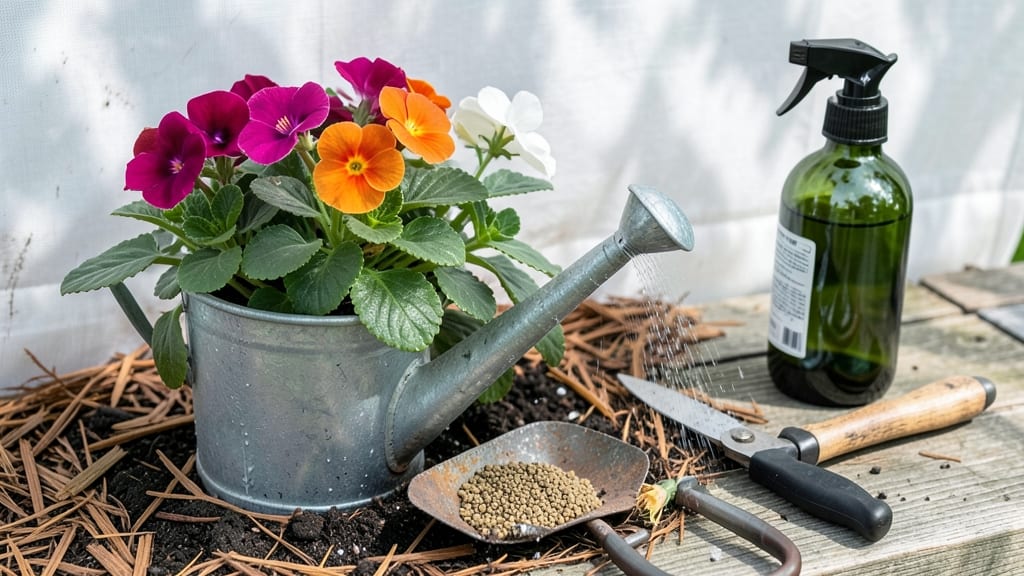
Here’s how to keep impatiens blooming nonstop—if you know the secret. 🌸 The difference between a plant covered in flowers and one struggling to produce? Daily deadheading paired with the right care routine.
I've turned my patchy impatiens into a vibrant, flower-covered display by following these simple but critical steps that most gardeners miss.
Start with the basics: bright, indirect light (they hate scorching sun), consistent moisture (never soggy, never dry), and a balanced fertilizer every 2-3 weeks during bloom season. The real game-changer? Snipping off spent blooms before they form seed pods—this tells the plant to focus energy on new flowers instead.
I deadhead mine in the morning when blooms are freshest, and within 7-10 days, fresh buds appear.
By summer's end, you'll have a plant that looks like it's wearing a never-ending bouquet, with flowers cascading over pots and hanging baskets. The key is staying consistent—skipping deadheading for a week means fewer blooms for two.
Even indoor impatiens thrive with this routine, as long as they get enough light (a grow light helps in dim spaces).
This method works for both New Guinea impatiens (the bold-leaved varieties) and classic busy Lizzie types. The only rule? Don't over-prune—just remove what's spent. With this approach, my impatiens bloom from May until first frost, and neighbors always ask how I keep them looking so fresh.
Here's exactly how to make it happen for your plants too.
📚 In This Guide
- What you need
- Instructions
- Tips and common mistakes
- Wrapping up and next steps
What you need
- ● Impatiens plants – Healthy, established plants (potted or in garden beds).
- ● Pruning shears or sharp scissors – Clean, sterilized tools to avoid disease. (Avoid fingers—crushing stems can harm plants!)
- ○ Gloves (optional but recommended) – Protects hands from thorns (if variegated types) and keeps tools clean.
- ● Watering can or hose with a gentle nozzle – For consistent hydration (avoid soggy soil!).
- ● Balanced liquid fertilizer (10-10-10 or 20-20-20) – 1 tbsp per gallon of water, applied every 2–4 weeks during growing season.
- ○ Mulch (optional but ideal) – 1–2 inches of organic mulch (e.g., shredded bark) to retain moisture and regulate soil temp.
- ● Slow-release fertilizer granules – Sprinkle ½ cup per 10 sq ft at planting for steady nutrition.
- ● Epsom salt (magnesium sulfate) – 1 tsp per gallon of water monthly for extra blooms (great for yellowing leaves!).
- ● Plant supports (for tall varieties) – Small stakes or cages if stems flop.
- ● Compost or worm castings – Mix 1 cup per sq ft into soil at planting for long-term health.
- ● Rain gauge or moisture meter – Ensures 1–1.5 inches of water per week (adjust for rain!).
Tips & tricks for perfect impatiens blooms
Between us, these simple adjustments will transform your impatiens from occasional bloomers to nonstop flowering machines.
Deadheading Technique: In Step 1, I can't stress enough how crucial it is to remove entire spent flower clusters—not just the individual blooms. This prevents seed formation and forces the plant to redirect energy toward new growth. Use your fingernail to gently scrape along the stem where the bloom meets the plant; you'll feel a slight give that tells you it's ready to come off. The earlier you deadhead, the faster you'll see new buds forming.
Light Positioning: For Step 2, watch your impatiens closely for the first week—they'll tell you exactly where to move them. If leaves develop a yellowish cast or stems stretch dramatically toward light, they're begging for shade. Morning sun is your friend, but afternoon shade is non-negotiable. I've found that placing pots on a wheeled cart lets me easily adjust their position throughout the day if needed.
Watering Wisdom: The "top inch" test in Step 3 is your best friend, but I've learned the hard way that timing matters just as much. Water in the early morning when evaporation rates are lowest. This gives roots time to absorb moisture before the heat of the day. I've also noticed that self-watering planters (mentioned in the instructions) make a world of difference in maintaining that perfect moisture balance without the guesswork.
Fertilizer Timing: When you apply that quarter-strength fertilizer solution in Step 4, remember that timing is everything. The morning application window is critical—it gives roots time to absorb nutrients before the heat stress of afternoon sun. I've seen plants develop fertilizer burn when applied in the evening because the roots can't process it efficiently. Also, if you notice new growth slowing after fertilizing, it's your plant's way of saying "I've had enough—let me recover."
Pro Tips for Keep Impatiens Blooming
- Between us, these simple adjustments will transform your impatiens from occasional bloomers to nonstop flowering machines.
- Deadheading Technique: In Step 1, I can't stress enough how crucial it is to remove entire spent flower clusters—not just the individual blooms.
- Light Positioning: For Step 2, watch your impatiens closely for the first week—they'll tell you exactly where to move them.
Frequently asked questions
about keeping impatiens blooming—because even the pros need a little help sometimes!Why aren’t my impatiens blooming even after deadheading?
If your impatiens are still shy about blooming, check their light exposure first—they crave 4-6 hours of morning sun (afternoon shade is a must in hot climates). Overcrowding or poor soil can also stunt growth. Try fertilizing lightly with a balanced, water-soluble formula (10-10-10) every 2-3 weeks during the growing season. If pests like spider mites are lurking, they can stress plants and reduce flowering.
How often should I deadhead impatiens for continuous blooms?
Deadhead daily (or at least every 2-3 days) during peak bloom season to encourage nonstop color. Use clean, sharp scissors or your fingers to pinch off spent blooms just above the next set of leaves. Pro tip: Morning deadheading gives flowers the full day to open, maximizing their vibrancy!
Can impatiens bloom all summer long, or do they need a break?
With proper care, impatiens can bloom nonstop from spring until frost! However, they may slow down in extreme heat (above 90°F) or drought. If blooms dwindle, water deeply at the base (not overhead) and provide afternoon shade. A light trim of leggy stems can also refresh growth and trigger new blooms.
What’s the best alternative if my impatiens refuse to cooperate?
If impatiens prove finicky in your climate, try begonias (heat-tolerant varieties like Angel Wing), petunias (long-lasting and drought-resistant), or calibrachoas (self-cleaning and compact). For shade lovers, fuchsias or lobelia are stunning substitutes with minimal fuss!
Why do my impatiens’ leaves turn yellow or wilt?
Yellow leaves often signal overwatering (impatiens hate soggy roots) or nutrient deficiency. Wilted foliage could mean underwatering or heat stress. Check the soil—it should stay consistently moist but not waterlogged. If yellowing spreads, flush the soil with water to remove excess salts (from tap water or fertilizer buildup).
Wrapping up and next steps
Keeping your impatiens blooming is all about consistent care—deadheading spent flowers, providing the right light, and ensuring proper watering and nutrients. With these simple steps, you’ll enjoy nonstop color all season long! 🌸
Now that you’re armed with the know-how, grab those shears and get pruning—your impatiens will thank you with vibrant blooms that steal the show. Ready to dive deeper? Explore more tips on seasonal adjustments to keep your garden thriving!