
Shrubs
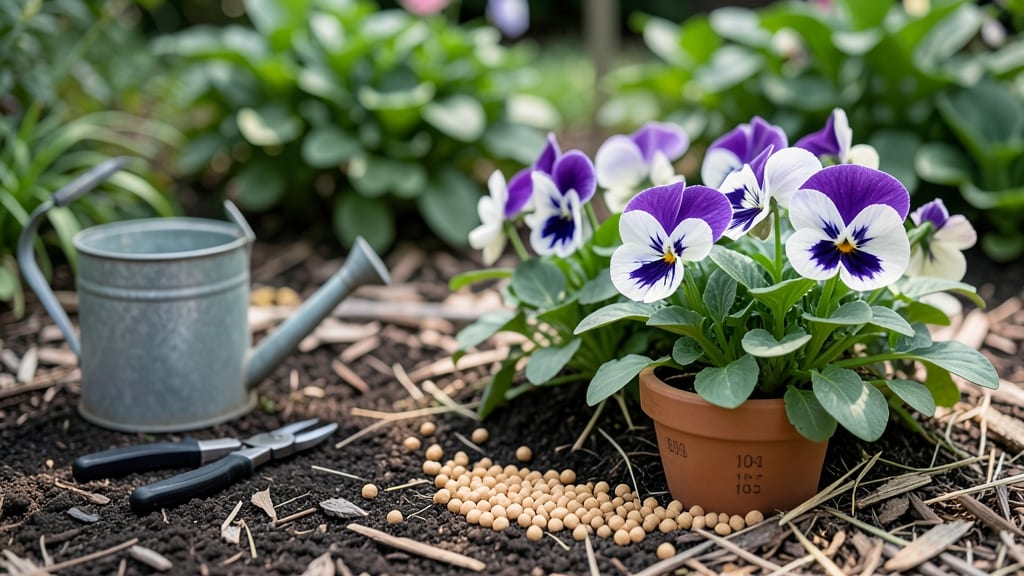
How to keep pansies flowering nonstop—if you know the secret. ✨ The difference between a single flush of flowers and months of vibrant color? Deadheading spent blooms before they set seed. I’ve watched pansies go from one glorious show to a sad, leggy mess because of this one overlooked step.
It’s not just about snipping—timing matters. Cut blooms right above the next set of leaves (not at the base) to encourage new growth. Pair that with morning watering and well-draining soil, and you’ll see buds forming in 7-10 days.
Too much shade or soggy roots, though? Flowers fizzle fast. I learned that the hard way after my first winter garden turned into a sad, leafy bush.
With consistent care, your pansies will reward you with color from spring to frost. The key is balancing pruning, feeding (light fertilizer every 3-4 weeks), and protecting them from pests like slugs.
Even in heat waves, they’ll bounce back if you keep them cool and hydrated. Think of them as the garden’s reliable showstopper—always ready to perform.
This works for border pansies, trailing varieties, and even those stubborn winter survivors. The same rules apply whether you’re growing in pots or garden beds. Now grab those shears—your pansies are about to put on their best show yet.
📚 In This Guide
- What you need
- Instructions
- Tips and common mistakes
- Wrapping up and next steps
What you need
- ● Pansies – Healthy, well-established plants (choose cold-hardy varieties for year-round blooms).
- ● Pruning shears or sharp scissors – Clean, sterilized to prevent disease (rubbing alcohol works!).
- ● Gloves – Gardening gloves to protect hands from thorns or dirt.
- ● Watering can or hose with a gentle nozzle – For post-pruning hydration.
- ● Balanced, water-soluble fertilizer – 10-10-10 or 20-20-20 NPK ratio (follow package instructions for dilution). Apply every 4-6 weeks during growing season.
- ○ Mulch (optional but helpful) – 2-3 inches of organic mulch (e.g., shredded bark or straw) to retain moisture and suppress weeds.
- ● Deadheading tool – A small, handheld pruner for quick, precise cuts.
- ● Compost or slow-release granules – Boosts soil health for stronger blooms.
- ● Shade cloth (30-50%) – Protects pansies from harsh afternoon sun in hot climates.
- ● Epsom salt (magnesium sulfate) – 1 tablespoon per gallon of water for yellowing leaves (apply monthly).
- ● Plant supports (stakes or rings) – If pansies flop in heavy rain or wind.
Step-by-step instructions for keeping pansies flowering all season
Here's the method I swear by to turn pansies from one-time bloomers into nonstop floral performers.
✂️ Step 1: Deadhead Daily to Encourage New Blooms
Snip off spent flowers immediately using clean, sharp pruners or your fingers. I pinch the bloom and its supporting stem right at the base where it meets the foliage. This prevents seed formation and redirects the plant's energy into producing fresh buds instead of setting seed.
Watch for blooms that start wilting or turning brown—these are your targets. The key is consistency. Even one missed deadhead can lead to leggy stems and fewer flowers. I like to do this in the morning so any new buds have full daylight to develop.
☀️ Step 2: Provide Consistent Light and Water
Pansies need 6-8 hours of sunlight daily to keep flowering. If your garden spot gets less than 6 hours, supplement with a grow light for 4-6 hours in the evening. I've seen pansies in shady spots produce fewer blooms and more foliage—it's their way of telling you they need more light.
Water deeply every 2-3 days when the top inch of soil feels dry. Let excess water drain away to prevent root rot. I water at the base rather than overhead to keep leaves dry, which reduces the risk of fungal diseases that can stress the plant and cut back flowering.
🌿 Step 3: Fertilize Regularly for Continuous Blooms
Use a balanced, water-soluble fertilizer (like 10-10-10) every 2-3 weeks during the growing season. Dilute it to half-strength to avoid burning the roots. I mix it into my watering can and apply it in the morning so the plants have time to absorb it before evening.
Look for dark green foliage and sturdy stems—this is your sign the plant is healthy and ready for more nutrients. If leaves start yellowing, it could mean over-fertilizing or poor drainage. Adjust your schedule and check your soil moisture before adding more fertilizer.
⏰ Step 4: Prune Leggy Growth to Maintain Shape
If stems grow too tall or leggy, trim them back by one-third to encourage bushier growth. I use clean pruners and cut just above a set of leaves or a side bud. This pruning also helps improve air circulation, reducing the risk of mildew.
You'll notice new growth within a week—that's your signal everything is working. Avoid heavy pruning in late summer, as pansies need time to harden off before cooler weather. If you live in a warm climate, keep pruning lightly throughout the season.
🌱 Step 5: Refresh Soil and Mulch for Long-Term Health
Every 4-6 weeks, top-dress the soil with 1-2 inches of compost to replenish nutrients. This keeps the roots fed without overloading the plant. I spread it lightly over the soil surface and gently work it in with my fingers.
Add a 1-inch layer of mulch around the plants to retain moisture and suppress weeds. I use shredded bark or straw, keeping it 2 inches away from the stems to prevent rot. This simple step can extend your pansies' flowering season by weeks.
Tips & tricks for prolonging pansy blooms
Here's what nobody tells you about keeping pansies in peak bloom—these are the tricks that'll give you flowers all season long.
Deadheading Timing: The morning routine is everything. I've seen pansies go from sparse blooms to lush displays just by sticking to this habit: remove spent blooms within 24 hours of noticing them flatten. That 5-7 day window for new buds to form? It starts the moment you deadhead. Pro tip: Use a small pair of scissors for stubborn stems—they give you more control than fingers alone.
Pruning Precision: When you're cutting back those leggy stems in Step 2, always look for the first set of healthy leaves below the growth. That ½ inch above the node is critical—it's where new shoots will emerge. I mark my pruning spots with a pencil first to avoid cutting too close. And remember, those 10-14 days for new growth? That's only if you're cutting at the right angle—use clean pruners and make diagonal cuts just above the node.
Light Supplement Strategy: If your pansies are getting only partial sun, don't just move them—supplement strategically. Place them where they get morning sun first, then add a grow light for 4-6 hours daily in the afternoon if needed. I use a simple LED grow light on a timer—it's more effective than you'd think. The key is positioning it just above the plants so they don't get stretched or leggy from uneven light.
Seasonal Heat Hack: When temperatures climb above 75°F, don't just move plants to shade—create a microclimate. Place them under a sheer curtain or use a lightweight shade cloth that blocks 30-50% of sunlight. This keeps them cool without shocking them with sudden darkness. I've seen pansies that would've bolted continue blooming for weeks with this simple adjustment.
Pro Tips for Keep Pansies Flowering
- Here's what nobody tells you about keeping pansies in peak bloom—these are the tricks that'll give you flowers all se...
- Deadheading Timing: The morning routine is everything. I've seen pansies go from sparse blooms to lush displays just ...
- Pruning Precision: When you're cutting back those leggy stems in Step 2, always look for the first set of healthy lea...
Frequently asked questions
about keeping pansies blooming year-round—because every gardener deserves a showstopper display!Why do my pansies stop flowering in hot summer months?
Pansies are cool-season plants and may slow down or stop blooming when temperatures rise above 75°F (24°C). To extend their season, provide afternoon shade, mulch to keep roots cool, and water deeply to reduce stress. Some varieties (like Viola cornuta) tolerate heat better—try these for summer color!
How often should I deadhead pansies to encourage more blooms?
Deadhead spent blooms every 2–3 days during peak flowering (spring/fall) to redirect energy to new buds. In milder climates, reduce to weekly. Use sharp scissors or pinch blooms off by hand—no need to cut stems! Pro tip: Trim stems at the first set of leaves to prevent legginess.
Can I prune pansies back hard to revive them after a long bloom cycle?
Yes! If pansies look leggy or overgrown, cut back 1/3 of the plant (about 2–3 inches above the soil) in early spring or after heat stress. This stimulates bushier growth and fresh blooms. Avoid heavy pruning in late summer—pansies need time to recover before winter.
What should I do if pansies develop powdery mildew or other pests?
Prevent fungal issues by spacing plants 6–12 inches apart for airflow and watering at the base (not overhead). For powdery mildew, spray with a baking soda solution (1 tsp baking soda + 1 quart water + a drop of dish soap). For aphids or slugs, use neem oil or handpick pests early in the day.
Are there pansy alternatives that bloom longer in heat?
If pansies struggle in your climate, try snapdragons, sweet alyssum, or calibrachoa for heat-tolerant color. For perennials, Viola labradorica (wild pansy) or Calceolaria (slipper flower) offer similar charm with better heat resilience. Succession-planting every 4–6 weeks keeps your garden vibrant!
Wrapping up and next steps
Keeping pansies blooming all season is easier than you think—just prune spent blooms regularly, provide the right care, and enjoy their cheerful faces! With a little attention to sunlight, water, and soil, your garden will stay vibrant and full of life. 🌸
Ready to take the next step? Grab your pruners and start deadheading today! Your pansies will thank you with nonstop color—because happy flowers mean happy gardeners. 😊