
Shrubs
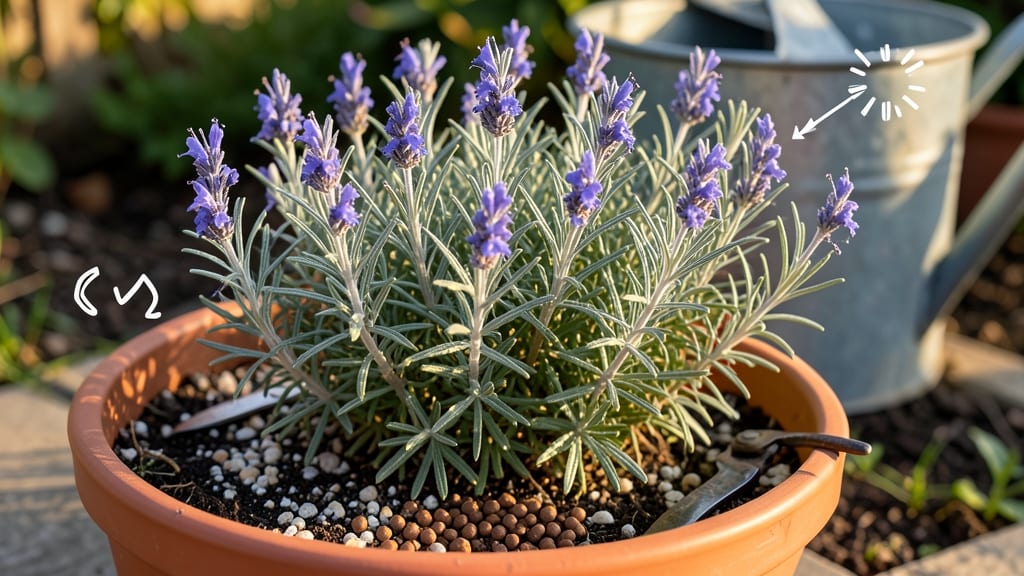
How to keep salvias flowering is all about three simple but non-negotiable habits: regular deadheading, light pruning, and balanced feeding. 🌿 Last summer, my sage salvia went from sporadic blooms to nonstop color by following this routine—no fancy tools or secret tricks, just consistent care. The key is timing: snip spent flowers before they form seed heads, and prune after major blooming cycles. Overwatering or heavy fertilizer? That’s what turns salvias into leggy sticks instead of flowering powerhouses. I’ll show you exactly when to cut, what to feed, and how to adjust for your climate—because salvias in Arizona need different care than those in Pacific Northwest shade. By midseason, your plants will be covered in blooms from spring to frost, with fewer gaps and more vibrant colors. The secret’s in the details: how much to trim, when to fertilize, and what to watch for when things go wrong. Works for annual salvias (like Mexican bush sage) and perennial varieties alike. Let’s get those stems blooming again—properly this time.
📚 In This Guide
- What you need
- Instructions
- Tips and common mistakes
- Wrapping up and next steps
What you need
- ● Pruning shears – Sharp, clean, and sterilized (alcohol wipes work great!). Avoid dull tools that can damage stems.
- ● Garden gloves – A pair to protect your hands from thorns (some Salvias like Salvia nemorosa can be prickly!).
- ● Well-draining potting mix – For container-grown Salvias (use a blend with perlite or sand for aeration).
- ● Balanced fertilizer – A 10-10-10 or 20-20-20 formula (follow label instructions for dosage). Slow-release granules are ideal for steady feeding.
- ● Compost or organic matter – To enrich soil before planting or top-dressing established plants.
- ● Watering can or hose with a gentle spray nozzle – Avoid overwatering; Salvias prefer moderate moisture with well-drained soil.
- ● Hand pruners – For smaller stems or detailed trimming.
- ● Mulch (straw, wood chips, or pine needles) – To retain moisture and regulate soil temperature.
- ● pH test kit – Salvias thrive in slightly acidic to neutral soil (pH 6.0–7.0).
- ● Epsom salt (magnesium sulfate) – A 1 tablespoon per gallon of water spray can boost blooms (use sparingly).
- ● Plant supports (stakes or cages) – For tall varieties like Salvia coccinea or Salvia leucantha.
Step-by-Step instructions for deadheading, pruning, and feeding salvias
Here's my foolproof method for keeping salvias blooming all season—no guesswork, just consistent results.
✂️ Step 1: Deadhead Spent Blooms Immediately
Salvias reward prompt action, so I deadhead the moment blooms fade. Use clean, sharp pruners to snip just above the first set of leaf nodes below the spent flower cluster. This prevents seed formation and redirects energy into new growth. I do this every 2-3 days during peak bloom—you'll see fresh buds forming within 5-7 days.
Never cut into woody stems. Look for the green growth node where leaves emerge—this is your target. If you cut too low, you risk damaging the plant's structure. For salvias with long flower spikes, like Salvia nemorosa, I remove entire stems when 50% of blooms are spent to encourage bushier regrowth.
🌿 Step 2: Light Pruning for Bushier Growth
After the first flush of flowers, I give salvias a light pruning to encourage compact, bushy growth. Cut back leggy stems by one-third just above a leaf node, but never remove more than 30% of the plant's height at once. This prevents shock and maintains the plant's natural shape. I do this once in early summer and again after the final fall bloom.
For perennial salvias, I avoid heavy pruning in late summer—this can delay fall blooms. Instead, I focus on removing only the oldest, most woody stems. You'll know you're pruning correctly when new shoots emerge from the base within 2-3 weeks. If no new growth appears, you've pruned too aggressively.
💧 Step 3: Feed with Balanced Fertilizer
Salvias need consistent nutrition to keep flowering. I use a balanced, water-soluble fertilizer (10-10-10 or 20-20-20) diluted to half-strength every 4-6 weeks during the growing season. Apply it after watering to prevent root burn. I stop fertilizing in late summer to allow plants to harden off for winter.
For organic gardeners, I mix in composted manure or worm castings around the base in spring. The key is consistency—salvias respond poorly to sudden nutrient spikes. You'll see stronger stems and more abundant blooms within 3-4 weeks of regular feeding. If leaves turn yellow, you're over-fertilizing; if blooms are sparse, increase the frequency slightly.
☀️ Step 4: Ensure Proper Light and Water
Salvias need full sun (6+ hours daily) to flower prolifically. If you notice fewer blooms, check their light exposure. I rotate pots every 2 weeks to ensure even growth. In hot climates, afternoon shade prevents stress, but morning sun is essential for blooming.
Water deeply but infrequently—salvias hate soggy roots. Let the soil dry out 2-3 inches deep between waterings. Overwatering causes root rot and stunted blooms, while underwatering leads to leggy, sparse growth. You'll know your watering is right when leaves stay vibrant green and stems remain firm.
Tips & tricks for perfect Salvia care
Keeping salvias in full bloom takes just a few key habits—and avoiding these common pitfalls makes all the difference.
Timing Secret: In Step 1, those 2-3 days between deadheadings might feel frequent, but it's the difference between continuous blooms and sporadic flowers. I set a phone reminder every 2 days during peak season—trust me, your salvias will thank you. For salvias like Salvia nemorosa, wait until 50% of blooms are spent before removing entire stems; this prevents over-pruning and maintains the plant's energy reserves.
Pruning Precision: When you're doing the one-third pruning in Step 2, focus on the oldest stems first. These are the ones that have already bloomed and are now just taking up space. I always prune in the morning when the plant is fully hydrated—this reduces stress and helps the plant recover faster. For container salvias, you can even give them a light haircut with clean scissors if you don't have pruners handy.
Fertilizer Strategy: The 4-6 week feeding schedule in Step 3 is non-negotiable for consistent blooms, but here's the pro move: split that dose into two smaller applications—half in the morning and half in the evening. This mimics natural nutrient uptake patterns and prevents fertilizer burn. I also mix in a handful of composted manure around the base at the same time for extra organic matter without overloading the plant.
Light and Water Watch: That 6+ hours of full sun in Step 4 isn't just about quantity—it's about quality. If your salvias are in containers, rotate them every 2 weeks so all sides get equal light exposure. For watering, I use the "finger test": stick your finger 2-3 inches into the soil—if it's dry, water thoroughly until it runs out the drainage holes. This deep watering encourages stronger root systems that support more blooms.
Pro Tips for Keep Salvias Flowering
- Keeping salvias in full bloom takes just a few key habits—and avoiding these common pitfalls makes all the difference.
- Timing Secret: In Step 1, those 2-3 days between deadheadings might feel frequent, but it's the difference between continuous blooms and sporadic flowers.
- Pruning Precision: When you're doing the one-third pruning in Step 2, focus on the oldest stems first.
Frequently asked questions
Got questions about keeping your Salvia blooming like a pro? You’re not alone—here are the answers to the most common ones!
Why isn’t my Salvia flowering this year?
Salvias often skip blooms due to over-fertilizing with high-nitrogen feed (which encourages leafy growth) or not enough sunlight. Check if your plant gets 6+ hours of direct sun daily and switch to a low-nitrogen, bloom-boosting fertilizer (like 5-10-10). Deadheading spent blooms also tricks the plant into reblooming!
When should I deadhead Salvia for continuous flowers?
Deadhead right after blooms fade—don’t wait! For perennial Salvias, trim back to a healthy leaf or bud to encourage new growth. For annuals, snip stems at the base. Best time? Early morning or late afternoon to avoid stressing the plant with midday heat.
Can I prune Salvia too much? How do I know when to stop?
Over-pruning stresses Salvias, but light trims (1/3 of the plant max) are safe. Stop when you see bare stems or no new buds. For woody types (like Salvia nemorosa), prune in early spring to shape. Never cut into old wood—it won’t regrow!
What’s the best fertilizer for Salvias to keep them blooming?
Use a balanced, low-nitrogen fertilizer (like 5-10-10 or 10-20-20) every 4–6 weeks during growing season. Organic options like fish emulsion or compost tea work too! Avoid slow-release fertilizers—they can cause burnt blooms. Pro tip: Feed lightly after deadheading for a quick bloom boost!
My Salvia leaves are yellowing—will it still flower?
Yellow leaves often signal overwatering, poor drainage, or pests. Let soil dry between waterings, and check for aphids or spider mites (wipe leaves with soapy water if needed). If roots are healthy, the plant may still bloom—but reduce water and improve drainage immediately to save it!
Wrapping up and next steps
Keeping your salvias blooming beautifully is all about consistent care—deadheading spent flowers, pruning strategically, and feeding them right! With a little attention to their needs, you’ll enjoy nonstop color that brightens your garden season after season. 🌸
Ready to put these tips into action? Grab your pruners, head outside, and give your salvias the love they deserve—your garden will thank you with vibrant, long-lasting blooms! 🌿✨