
Trees
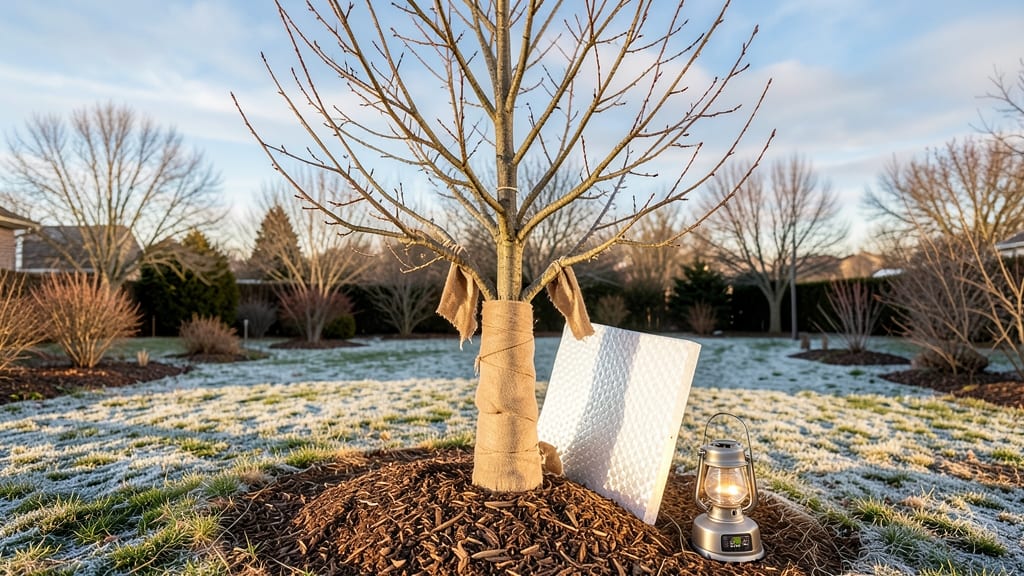
How to keep trees warm in winter—wrapping them properly is the key to survival. Winter winds can strip bark like sandpaper—I’ve lost young trees to frost cracks after just one harsh season. The fix? A simple wrapping technique that mimics nature’s insulation, protecting delicate bark while letting roots breathe. This isn’t about coddling trees; it’s about giving them a fighting chance against dry, cracking winds that turn saplings into kindling.
You’ll need burlap, tree wrap, or even old blankets—no fancy tools required. The goal is to shield the trunk from temperature swings that cause bark to split. Start wrapping in late fall before hard frosts hit, and remove it in early spring once new growth appears.
Young trees under 5 years old benefit most, but even mature bark can heal faster with this protection.
By spring, you’ll see smooth, unscarred bark and trees that bounce back stronger. The wrap also deters rodents and prevents sunscald on south-facing trunks. It’s not about making trees lazy—it’s about giving them the edge they need to survive until spring’s warmth returns.
Works for apple, cherry, and maple trees—just adjust timing for your zone. Too early, and you’ll trap moisture; too late, and frost damage happens anyway. Here’s how to do it right without smothering your trees.
📚 In This Guide
- What you need
- Instructions
- Tips and common mistakes
- Wrapping up and next steps
What you need
- ● Tree wrap or burlap: 1–2 rolls (choose 50–70 lb test for durability; width should match tree circumference). Pro tip: Look for 🌡️ frost-resistant or 🎯 breathable options like Tree Tender or Frost Blanket.
- ○ Plastic tree guards (optional): 2–4 units (sizes to fit your tree’s trunk; 1–2 inches thick for young trees, 3+ inches for mature ones).
- ● Insulating foam tubes: 1–3 tubes (cut to size; 1/2–1 inch thick for small trunks, 1–2 inches for larger ones).
- ● Staple gun + staples: 1 gun + 50–100 staples (for securing burlap or wrap).
- ● Twine or zip ties: 1 roll (for tightening wrap layers).
- ● Utility knife or scissors: 1 (for cutting wrap/foam to size).
- ● Measuring tape: 1 (to gauge trunk circumference).
- ○ Gloves (optional): 1 pair (for handling rough bark or sharp tools).
- ○ Reflective tape (optional): 1 roll (to deter critters like rabbits from chewing wrap).
Tips & tricks for effective tree insulation in winter
Protecting young trees from winter’s harshest elements requires precision—here’s how to avoid common mistakes and maximize effectiveness.
Climate-Specific Insulation: In regions where temperatures consistently drop below 0°F, prioritize compressed straw or tree-specific wraps over burlap. These materials provide superior insulation for prolonged cold snaps. For milder winters (above 10°F), burlap suffices, but always verify your local hardiness zone to match protection to climate. I’ve seen burlap fail in sub-zero conditions when straw would have worked perfectly.
Bark Condition Check: Before wrapping, inspect for peeling bark or exposed cambium—these areas are vulnerable to moisture loss and cold damage. Apply a tree wound dressing like Tanglefoot Tree Wound Pruning Seal as a preventive measure. This step is often overlooked but critical for trees with damaged bark, as it mimics the natural protective layer of healthy bark.
Mulch Placement Precision: When applying the 4-6 inches of organic mulch around the root zone, create a slight concave shape to prevent water pooling near the trunk. This technique prevents rot and girdling while maintaining insulation. I’ve found that mulch piled directly against the trunk can trap moisture, creating ideal conditions for fungal growth—something you’ll want to avoid at all costs.
Monitoring and Maintenance: Schedule checks every 2-3 weeks during winter to brush off accumulated snow from wraps. Excess weight can cause bark damage, and snow buildup reduces insulation effectiveness. In extreme cold snaps, adding an extra layer of burlap temporarily can make all the difference. This proactive approach ensures your trees remain protected without unnecessary stress.
Pro Tips for Keep Trees Warm In Winter
- Protecting young trees from winter’s harshest elements requires precision—here’s how to avoid common mistakes and max...
- Climate-Specific Insulation: In regions where temperatures consistently drop below 0°F, prioritize compressed straw o...
- Bark Condition Check: Before wrapping, inspect for peeling bark or exposed cambium—these areas are vulnerable to mois...
Frequently asked questions
Got questions about protecting your trees from winter’s chill? You’re not alone—many gardeners wonder how to shield their woody friends without harming them. Below, we’ve rounded up the most common queries to help you keep your trees cozy and thriving through the cold months.
What’s the best time to wrap young trees for winter?
Wrap trees after the first hard frost but before temperatures drop below freezing consistently—usually late fall (November). This timing gives bark time to harden while shielding it from sudden cold snaps. For tender species like birch or willow, start earlier (October).
Can I use regular plastic wrap or old blankets to insulate trees?
No! Plastic traps moisture, causing rot or bark damage. Instead, opt for tree-specific wraps (like burlap or commercial frost cloth) or cardboard tubes (cut to size). If using blankets, secure them loosely with twine to allow airflow. Pro tip: Avoid tight materials—bark needs to breathe!
How do I know if my tree is getting too hot under the wrap?
Check for signs of overheating: yellowing leaves in winter, mold on the wrap, or peeling bark. If you notice these, loosen the wrap or remove it briefly during sunny days. Trees wrapped too tightly can “sweat” and suffer heat stress. Think ventilation!
What if my tree’s bark is already damaged before winter?
First, prune dead/dying branches to reduce stress. Then, apply a thin layer of tree wound dressing (like horticultural sealant) to exposed areas before wrapping. For severe damage, consult an arborist—some trees may need extra protection (like anti-desiccant sprays) to prevent moisture loss.
Are there trees that don’t need winter wrapping?
Yes! Native, cold-hardy trees like oaks, maples, and pines usually don’t need wrapping—their thick bark handles winter just fine. Focus on young, thin-barked, or tender species (e.g., fruit trees, dogwoods). When in doubt, observe your tree’s resilience over past winters!
Still stumped? Drop your tree’s species in the comments—we’re happy to help tailor advice!
Wrapping up and next steps
Keeping your trees cozy through winter is all about protection, patience, and a little extra care—whether you’re wrapping young saplings or shielding mature bark from frost.
By using the right materials like tree wraps, mulch, or frost cloth, you’re giving your trees the best chance to thrive when temperatures drop. Remember, consistency is key: check on your trees regularly and adjust their winter gear as needed.
You’ve got this! 🌳❄️ Now’s the perfect time to take action—grab your supplies, roll up your sleeves, and give your trees the winter warmth they deserve. Start small, stay consistent, and watch your green friends flourish come spring!