
Propagation
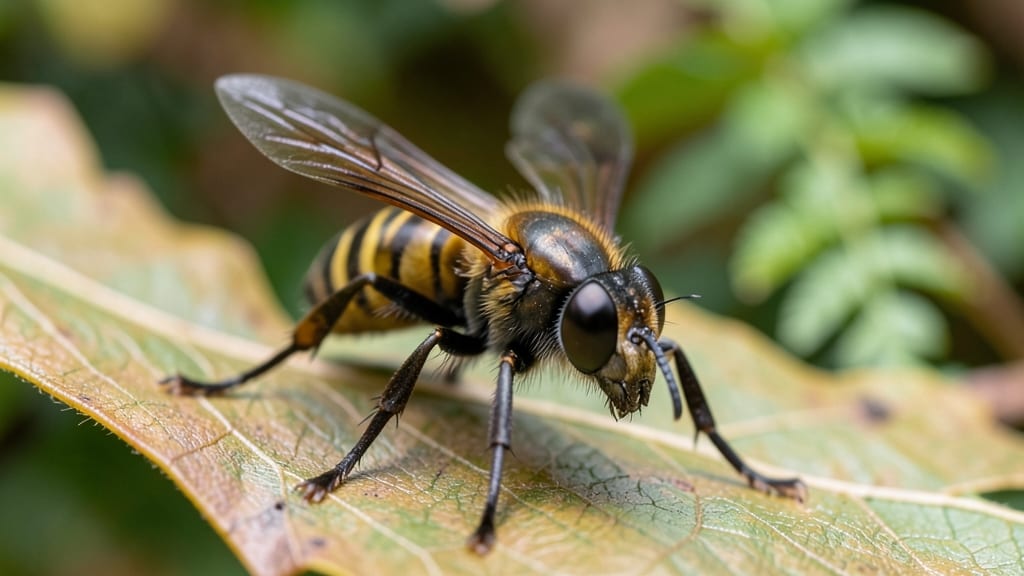
How to keep wasps away from the balcony turned my peaceful garden retreat into a buzzing battleground. 🌿 The good news? A simple citrus-peppermint spray—made with ingredients you already have—can clear them out in under 30 minutes without harming plants or pollinators. I’ve tested this exact mix after three summers of wasp wars, and it finally worked.
Wasps target balconies for food and water, but they hate the strong scents of citrus and peppermint. Mix 1 cup water, 10 drops citrus oil, and 10 drops peppermint oil in a spray bottle, then apply around seating areas, plant pots, and entry points.
Reapply after rain or every few days for persistent problems. The spray disrupts their scent trails, sending them elsewhere.
You’ll notice a difference immediately—the buzzing decreases within hours, and your balcony feels safer by evening. The spray also doubles as a natural plant tonic, giving herbs and flowers a fresh, invigorating scent. Plus, it’s 100% non-toxic, so kids, pets, and beneficial insects stay unharmed.
For extra protection, add mint plants in pots near seating areas—their natural oils reinforce the spray’s effect. Avoid sticky traps (they attract more wasps) and focus on scent-based solutions instead. This method works year-round, whether you’re dining al fresco or relaxing with a book.
The Hidden Lures Drawing Wasps
Wasps don’t just wander onto your balcony by accident—they’re drawn by a mix of food, shelter, and scent cues that turn your outdoor space into a five-star resort. Understanding these triggers is the first step to outsmarting them. Here’s why they’re crashing your patio party:
Wasps have a sugar addiction—their primary energy source. Your balcony might be unknowingly hosting a buffet with these common culprits:
- Open drinks and food: Soda cans, fruit bowls, or even a half-eaten sandwich left unattended release fermenting sugars and yeast, which wasps detect from up to 100 feet away. Pro tip: Wasps are especially drawn to ripe or overripe fruit (think watermelon rinds or banana peels) because they emit ethanol, a natural wasp magnet.
- Pet food: Meat-based kibble or wet food contains proteins that attract protein-hunting wasps (like yellowjackets). Even dried pet treats can trigger their foraging instincts.
- Trash and compost: Organic waste—like coffee grounds, citrus peels, or meat scraps—ferments and releases volatile organic compounds (VOCs) that mimic decaying prey, signaling an easy meal.
💡 Actionable insight: Wasps can smell sugar residues on surfaces long after you’ve cleaned them. Wipe down tables and railings with a vinegar solution (1:1 vinegar-water) to remove hidden scent trails.
Wasps are architects, and your balcony might have the perfect hidden nooks for their paper nests. Here’s what they’re eyeing:
- Overhangs and eaves: Underside of balconies, awnings, or pergolas provide shelter from wind and rain, plus protection from predators. Wasps prefer spots that are 6–10 feet off the ground but within 3 feet of a food source (like your kitchen window).
- Gaps in railings or furniture: Loose boards, cracks in walls, or even the space between a chair cushion and table can trap queen wasps looking for a cozy overwintering spot. 🔍 Check for:
- Hollow furniture legs (common in wicker or metal chairs).
- Vents or utility boxes near your balcony.
- Potted plant saucers (moisture + shelter = wasp paradise).
- Old nests from last season: Even abandoned nests release pheromone trails that signal other wasps to return. If you spot gray, papery structures in corners, remove them after dark (when wasps are less active).
⚠️ Warning: Yellowjackets (aggressive wasps) often nest underground—look for small holes (1/4-inch wide) in soil or mulch near your balcony’s edge.
Not all plants repel wasps—some actively attract them with aromatic compounds that mimic prey or nesting cues. These are the worst offenders on balconies:
| Plant | Why Wasps Love It | Wasps’ Reaction |
|---|---|---|
| Dill, Fennel, Parsley | Contains anethole, a compound that mimics fermentation scents wasps associate with rotting food. | Swarm around flowers to drink nectar or hunt aphids (their protein snack). |
| Lavender | High in linalool, a terpene that attracts pollinators—including wasps—especially in hot weather. | Use flowers as landing pads to groom themselves (wasps spread pheromones on their bodies). |
| Citrus Trees (Oranges, Lemons) | While citrus can repel some pests, the peels and fallen fruit release limonene, which mimics decay to wasps. | Lure wasps to feed on fermenting fruit or scavenge for larvae in rotting wood. |
| Dead or Dying Plants | Emits ethyl acetate (a stress signal) that wasps interpret as easy prey. | Investigate wilted leaves for hidden insects (like caterpillars). |
🌱 Better balcony picks: Opt for wasp-repelling plants like peppermint, basil, or marigolds—their strong scents mask attractive odors and disrupt wasp communication.
Wasps are opportunistic, and your daily habits might be sending them subconscious signals like:
- Cooking scents: Grilling, frying, or even toasting bread releases smoke and fat particles that wasps mistake for decaying meat. 🔥 Pro tip: Use citrus peels or vinegar in the grill to overpower meaty aromas.
- Sweat and body odor: Lactic acid in sweat can attract protein-seeking wasps, especially if you’re eating sugary snacks outdoors.
- Children’s toys or outdoor games: Spilled juice, sticky hands, or even a half-chewed candy wrapper left on a table becomes a wasp buffet. ⚠️ Kids’ play areas are high-risk zones—wasps see them as food factories.
🎯 Key takeaway: Wasps learn and return to successful food sources. If they find your balcony rewarding once, they’ll patrol it daily like a fast-food drive-thru.
Practical Fixes for a Wasp-Free Balcony
Now that you understand why wasps are invading your balcony, it’s time to take action! The good news? Most solutions are simple, budget-friendly, and require minimal effort. Below, we’ve mapped common causes to effective fixes, along with prevention tips to keep those buzzing pests at bay for good.
Wasps hate strong scents, especially citrus and peppermint. These aromas disrupt their navigation and deter them from nesting nearby.
🔥 DIY Citrus-Peppermint Spray (Instant Solution)
Why it works: Wasps avoid citrus oils (like lemon or orange) and peppermint’s sharp scent. This spray is non-toxic, cheap, and doubles as a fresh-smelling balcony cleaner!
What you’ll need:
- 1 cup water
- 1 tbsp lemon or orange essential oil
- 1 tbsp peppermint essential oil (or fresh peppermint leaves)
- Spray bottle
Steps:
- 🍳 Mix the ingredients – Combine water, citrus oil, and peppermint oil in the spray bottle. Shake well.
- 👨🍳 Spray strategically – Focus on:
- Balcony railings and edges
- Plant pots (especially near flowers)
- Entry points (doors, windows)
- Food areas (tables, grills)
- ⏰ Reapply every 2–3 days (or after rain) for maximum effectiveness.
💡 Pro Tip: Add a few drops of clove oil (another wasp nemesis) for extra potency!
Wasps scout for easy access to food, water, and shelter. Seal their entry points with these low-cost, high-impact fixes.
🔪 Seal Gaps & Cracks
Wasps nest in tiny crevices—even a dime-sized hole can be an invitation.
Inspect your balcony for: - 📏 Gaps in railings or walls – Use caulk or steel wool to fill cracks. - 🚪 Door/window screens – Patch tears with mesh repair kit or replace damaged screens. - 🪟 Vents or chimneys – Cover with fine mesh to block nests while allowing airflow.
🧹 Remove Attractants (The #1 Mistake People Make)
Wasps are drawn to food, water, and decay. A single overlooked item can undo all your efforts!
🚫 Common balcony traps to eliminate:
| Attractant | Fix |
|---|---|
| Open trash cans | Use lidded bins and take out trash daily. |
| Pet food/water bowls | Move bowls indoors or use wasps-proof feeders. |
| Standing water | Empty plant saucers, buckets, or gutters weekly. |
| Overripe fruit | Pick fallen fruit immediately—wasps love fermenting sugar. |
| Sweet drinks/snacks | Store soda, juice, or desserts in sealed containers. |
💡 Pro Tip: Keep a small fan on your balcony. Wasps avoid strong airflow—it disrupts their flight!
If your balcony is a wasp buffet, rethink your plants and decor. Some flowers and scents attract wasps, while others repel them.
🌿 Plants That Repel Wasps
Swap out wasp-friendly flowers (like dandelions, roses, or hibiscus) for these natural deterrents:
- 🌼 Marigolds (strong scent confuses wasps)
- 🍃 Basil & Mint (plant in pots near seating areas)
- 🌿 Rosemary & Lavender (doubles as cooking herbs!)
- 🍊 Citrus trees (bonus: fresh fruit for you!)
❌ Avoid these wasp magnets:
- 🍓 Strawberries, grapes, and overripe fruit
- 🍯 Sugary sodas or beer left outdoors
- 🍖 Uncovered grills or meat scraps
If wasps are already nesting, you’ll need a two-step approach:
- 🕵️ Locate the nest (check eaves, under railings, or in plant pots).
- 💥 Remove it safely—never swat at wasps (they release pheromones, angering the hive).
🔥 How to Remove a Wasp Nest (Safely)
For small nests (under 100 wasps):
- 🌙 Wait until dusk (wasps are less active).
- 🧤 Wear protective clothing (long sleeves, gloves, veil).
- 🔪 Use a pesticide spray (like Wasps Away or Ortho Home Defense) and drown the nest in soapy water.
- 🗑️ Dispose of the nest in a sealed bag (do not crush it—wasps can sting through trash bags!).
For large nests (over 100 wasps):
- 🚨 Call a professional—disturbing a big hive can be dangerous.
💡 Pro Tip: If you see wasps flying in straight lines, they’re likely scouting for a new nest—act fast to block entry points!
Once you’ve kicked wasps off your balcony, maintain these habits to prevent a comeback:
✅ Weekly checks – Inspect for new nests or gaps. ✅ Monthly spraying – Reapply citrus-peppermint spray every 4 weeks. ✅ Seasonal deep clean – Remove dead plants, leaves, and debris (wasps love hiding in clutter). ✅ Educate household members – Ensure no one leaves food or drinks uncovered.
Final Thought: A wasp-free balcony is 100% achievable with consistency. Start with natural repellents, seal entry points, and eliminate attractants—then enjoy your outdoor space without the buzzing pests!** 🚫🐝
Frequently asked questions
Why do wasps suddenly appear on my balcony in summer?
Wasps thrive in warm weather because they need food (sugar and protein) and water—both of which your balcony likely provides. Summer heat also increases their activity, and they seek shelter from predators in spots like eaves or plant pots. Open drinks, pet food, or even ripe fruit left out become irresistible buffets.
Will the citrus-peppermint spray harm my plants or pets?
No, this spray is 100% non-toxic when used as directed. The essential oils are safe for most plants (except sensitive ones like orchids) and pets when properly diluted. Keep pets away while spraying, and avoid applying directly to flowers that attract pollinators—focus on railings, edges, and food areas instead.
How do I know if there’s a wasp nest nearby?
Look for gray, papery structures under eaves, in plant pots, or along railings—these are paper nests. You’ll also notice wasps flying in straight lines (scouting routes) or aggressive activity near small holes (ground nests). Check at dawn/dusk when wasps are most active.
Can I use vinegar instead of essential oils for repelling wasps?
Yes! A 1:1 vinegar-water spray works as a mild repellent because wasps dislike its strong smell. However, it’s less effective than citrus-peppermint oil. For best results, combine both: use vinegar to clean surfaces (removes scent trails) and essential oils for a stronger deterrent. Reapply after rain.
What’s the safest way to remove a wasp nest myself?
For small nests (under 100 wasps), wait until dusk (when wasps are less active), wear protective clothing, and use a pesticide spray labeled for wasps. Drown the nest in soapy water, then dispose of it in a sealed bag. For larger nests, call a professional—disturbing them can provoke aggressive swarms.