
Propagation
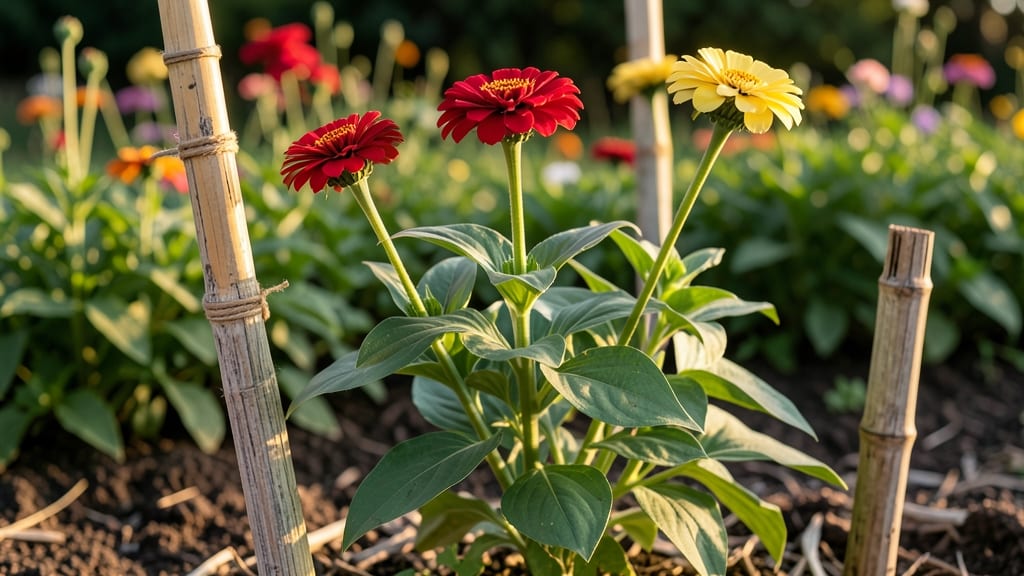
How to keep zinnias from falling over—it’s easier than you think! These cheerful blooms flop like overconfident dancers when stems can't handle their own weight. 🌼 The good news? This is an easy fix—no fancy equipment required. I’ve saved dozens of zinnias from toppling over using basic supports, and you can too. The secret lies in understanding why they wobble (weak stems, wind, or overwatering) and how to give them the right foundation.
Start with the right dwarf varieties like 'Thumbelina' or 'Crystal' if space is tight—they stay sturdy naturally. For taller types, staking is your best friend: use bamboo stakes or tomato cages, inserted gently at planting so you don’t damage roots.
Prune spent blooms regularly to encourage stronger growth, but never cut more than one-third of the plant at once—zinnias hate being over-pruned.
Your zinnias will stand tall with stronger stems and longer-lasting blooms, turning your garden into a vibrant, wind-resistant showstopper. The key is consistency: check supports weekly, especially after rain or storms. With these tricks, you’ll have zinnias that hold their own—no more apologetic, floppy flowers.
Works for container gardens or in-ground beds, and the same principles apply whether you’re growing zinnias for cut flowers or just to brighten up the yard. Let’s get those stems standing proud!
📚 In This Guide
- What you need
- Instructions
- Tips and common mistakes
- Wrapping up and next steps
What you need
- ● Support structures: 1–3 bamboo stakes (3–4 ft tall, ¼-inch diameter) or
- ● 1–3 tomato cages (5–6 ft tall) or
- ● 1 sturdy wooden or metal trellis (4–5 ft tall)
- ● Fastening supplies: Garden twine or soft plant ties (1–2 rolls)
- ● Florist’s tape or plastic plant clips (5–10 pieces)
- ● Pruning tools: 1 pair clean pruning shears (sterilized with rubbing alcohol)
- ○ Soil amendments (optional but helpful): 1–2 cups compost or well-rotted manure (per plant)
- ● 1 tbsp balanced fertilizer (10-10-10 or similar)
- ● Zinnias planted in well-draining soil (sandy loam ideal).
- ● Full sun exposure (6+ hours daily).
- ● Plants spaced 12–18 inches apart (for better airflow and support).
- ● Watering can or hose with a gentle spray nozzle (to avoid stem damage).
Tips & tricks for perfect zinnia support systems
Here's what nobody tells you about turning floppy zinnias into garden showstoppers.
Support Material Matters: The stakes you choose make all the difference. I've learned the hard way that plastic garden stakes bend like pretzels under zinnia weight—especially when they reach that 12-18 inch mark. Opt for 1/4-inch thick wooden dowels or metal rebar instead. These materials provide the rigidity your zinnias need to stand tall. For clusters, I've had great success with bamboo stakes tied in teepee shapes, which distribute weight more evenly than individual supports. The key is depth—drive them 6 inches deep so they won't wobble when winds hit.
Timing is Everything: Don't wait until your zinnias are already toppling to install supports—that's when you'll see those weak, kinked stems develop. I start training stems when they hit 6 inches tall, gently weaving them through the support structure at 45-degree angles. This encourages natural growth against the support rather than away from it. The real secret? Check your plants every 3-4 days and adjust ties before stems exceed 8 inches unsupported. You'll notice the difference immediately in how upright and strong your plants grow compared to those left unsupported.
Watering Wisdom: Consistent moisture at the base is what keeps those stems firm, but there's more to it than just regular watering. I always water in the morning to give foliage time to dry before evening—a crucial step to prevent powdery mildew that weakens stems. The soil should stay evenly moist but not soggy, which I check by pressing my finger 1 inch deep. If it feels dry, that's your cue to water. And here's a pro move: avoid wetting leaves whenever possible. Damp leaves create the perfect conditions for fungal pressure that compromises stem strength.
Pruning Payoff: Strategic pruning is what transforms single, top-heavy stems into bushier plants with multiple stems sharing the support load. When zinnias reach 2 feet tall, I cut back the main stem just above a set of healthy leaves—about 1/3 of the plant's height. This redirection of energy creates more flowers on sturdier stems. The golden rule? Never remove more than 20% of the foliage at once, or you'll stress the remaining stems. I also make it a habit to deadhead spent blooms by pinching them off just above the next set of leaves, which keeps the plant focused on producing more flowers rather than seeds.
Pro Tips for Keep Zinnias From Falling Over
- Here's what nobody tells you about turning floppy zinnias into garden showstoppers.
- Support Material Matters: The stakes you choose make all the difference. I've learned the hard way that plastic garde...
- Timing is Everything: Don't wait until your zinnias are already toppling to install supports—that's when you'll see t...
Frequently asked questions
about keeping zinnias upright—because even the toughest gardeners need a little help!Why do my zinnias keep flopping over even after staking?
Zinnias may still topple if their stems are too weak or the stakes aren’t tall/secure enough. Overcrowding or poor soil drainage can also weaken stems. Try thinning plants to 12–18 inches apart and use taller supports (like tomato cages) to prevent bending. Heavy blooms on tall varieties (e.g., 'Benary’s Giant') need extra reinforcement!
When is the best time to stake zinnias for maximum support?
Stake zinnias early—as soon as they reach 6–8 inches tall—to prevent stem damage later. If you wait until they’re fully grown, the stems may already be weak. For container-grown zinnias, add supports when transplanting to avoid disturbing roots later. Pro tip: Loosen soil gently before staking to avoid breaking stems!
Can I use anything other than traditional stakes for zinnias?
Try these creative supports:
- Florist’s wire or twist ties: Wrap stems loosely to nearby stakes or trellises.
- Bamboo or reed stakes: Lightweight and biodegradable.
- Old pantyhose or fabric strips: Tie stems to a central post for a soft, adjustable hold.
- Succession planting trick: Space shorter varieties (like 'Crystal' zinnias) in front of taller ones to break wind.
Does watering affect how well zinnias stay upright?
Yes! Overwatering weakens stems by causing rot, while underwatering stresses plants, making them floppy. Water at the base in the morning (1 inch per week) and avoid wetting foliage to prevent fungal issues. Mulch around plants to retain moisture without soggy soil. If stems feel mushy, trim the affected section and stake immediately.
What if my zinnias are already leaning—can I fix them?
Don’t panic! Gently bend stems (don’t break them) and secure them to a stake at a 45-degree angle to encourage upward growth. If stems are severely weak, prune the top 1/3 to redirect energy to stronger lower stems. For extreme cases, re-stake with a wider base (like a tomato cage) to distribute weight. Patience pays off—zinnias often recover within 1–2 weeks!
Wrapping up and next steps
Keeping your zinnias upright is easier than you think—with the right support and a little care, your blooms will stand tall and proud! 🌸 Whether you opt for stakes, cages, or natural methods like pruning, the key is consistency and patience.
Now that you’re armed with these simple yet effective strategies, it’s time to put them into action.
Ready to transform your garden into a vibrant, sturdy zinnia paradise? Start by choosing one support method today and watch your flowers thrive! 🌱